You’re sitting quietly in your living room when, out of nowhere, your cat starts making the most bizarre noise you’ve ever heard. It’s not a meow. It’s not a hiss. It’s something in between, something almost musical, something almost… birdlike. If you’ve been puzzled by this little sound, you’re not alone. Millions of cat owners have stood there, jaw slightly dropped, wondering what on earth their cat is actually saying.
The truth is, that tiny chirp carries more meaning than most people realize. It’s a window into your cat’s ancient instincts, emotional world, and even its relationship with you. There’s a lot going on behind those wide, focused eyes. So let’s dive in and unravel this fascinating feline mystery together.
What Exactly Is a Cat Chirp?
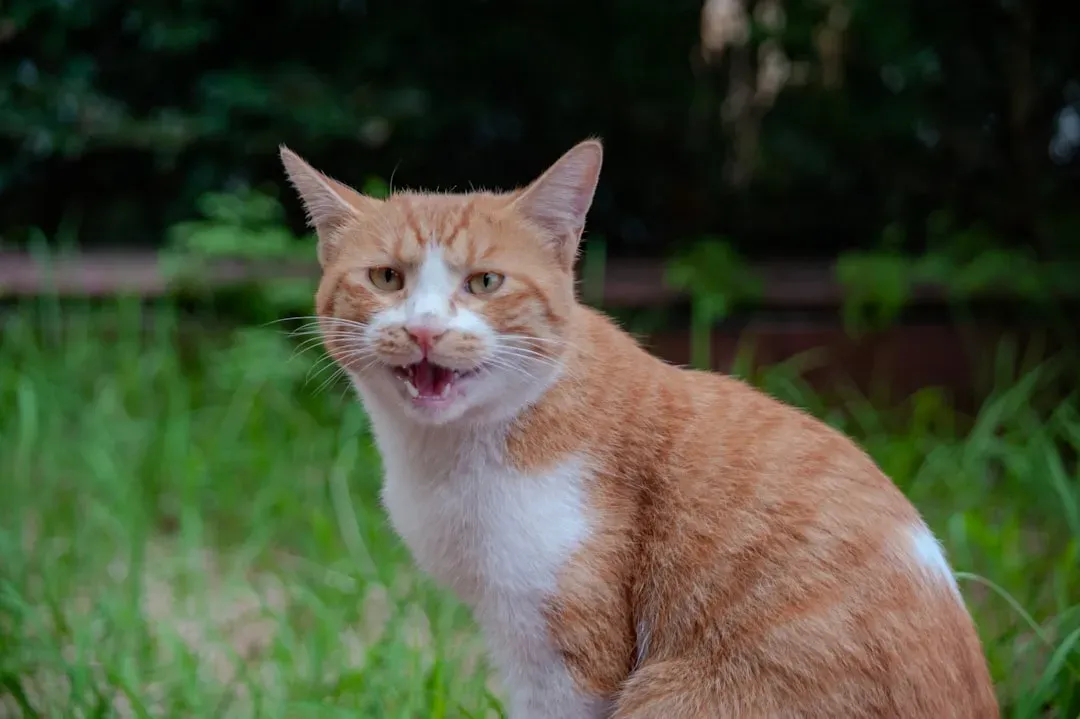
Before you can understand why your cat chirps, it helps to know what a chirp actually is. The cat chirp, also known as a chirrup or a trill, is a short, peep-like sound that’s very similar to a songbird’s warble. It’s not the same as a meow, not even close. Think of it as a tiny musical burst, like something your cat borrowed directly from the bird it’s currently staring down.
The sound is made when a cat pushes air across the vocal cords while keeping the mouth closed. The short peep-like sound may be preceded or followed by chattering of the jaw, giving it yet another name: chattering. Honestly, if you’ve heard it, you never forget it. It’s one of those sounds that makes you want to immediately grab your phone and film it.
Chirping, like purring, falls into the murmuring category of cat vocalizations because it’s done mostly with the mouth closed. Up to 21 different feline vocalizations have been described in scientific research, but their vocal repertoire probably contains even more. So yes, your cat is far more eloquent than you might have thought.
The Deep-Rooted Hunting Instinct Behind the Sound
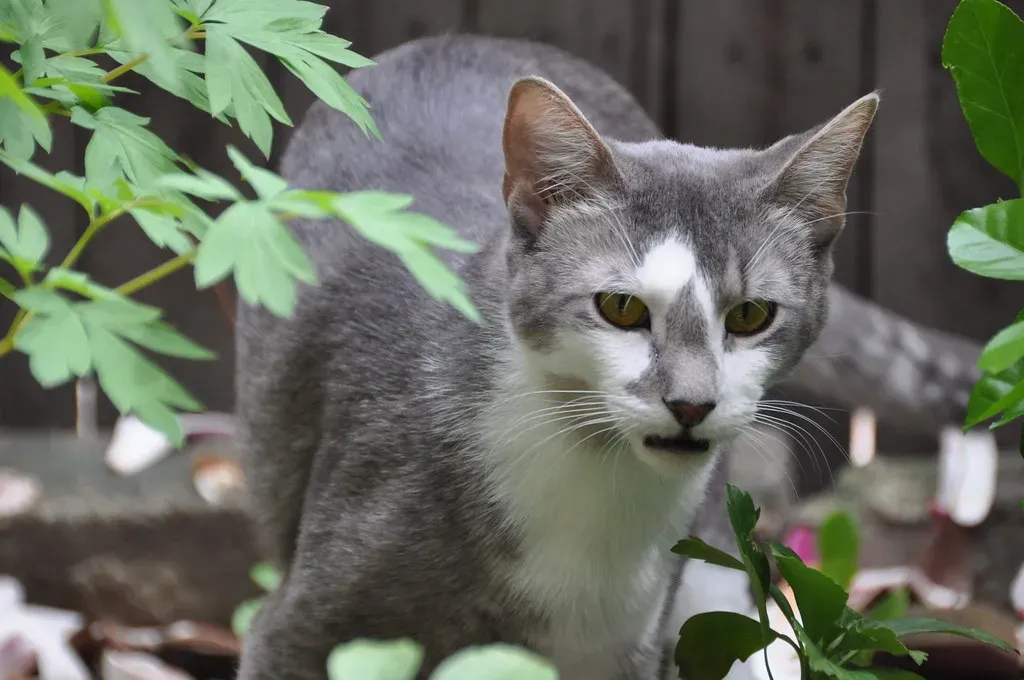
Here’s the thing: that adorable little chirp is rooted in something far more primal than cuteness. The most common theory behind cat chirping is tied to their predatory instincts. Cats are natural hunters, and even domestic cats retain much of the predatory drive of their wild ancestors. Even the fluffiest, most pampered house cat is, underneath all that softness, a finely tuned predator.
When cats get excited about birds and squirrels outside windows, this can initiate something called their “prey sequence,” a series of behaviors that cats perform when they hunt. The first step is staring at prey animals and getting excited (this is where chirping or chattering comes in). The second step is stalking or chasing, then comes pouncing or grabbing, and lastly comes the killing bite. That little chirp you find so endearing? It’s basically the opening act of an ancient hunt.
Is Your Cat Actually Trying to Mimic Birds?
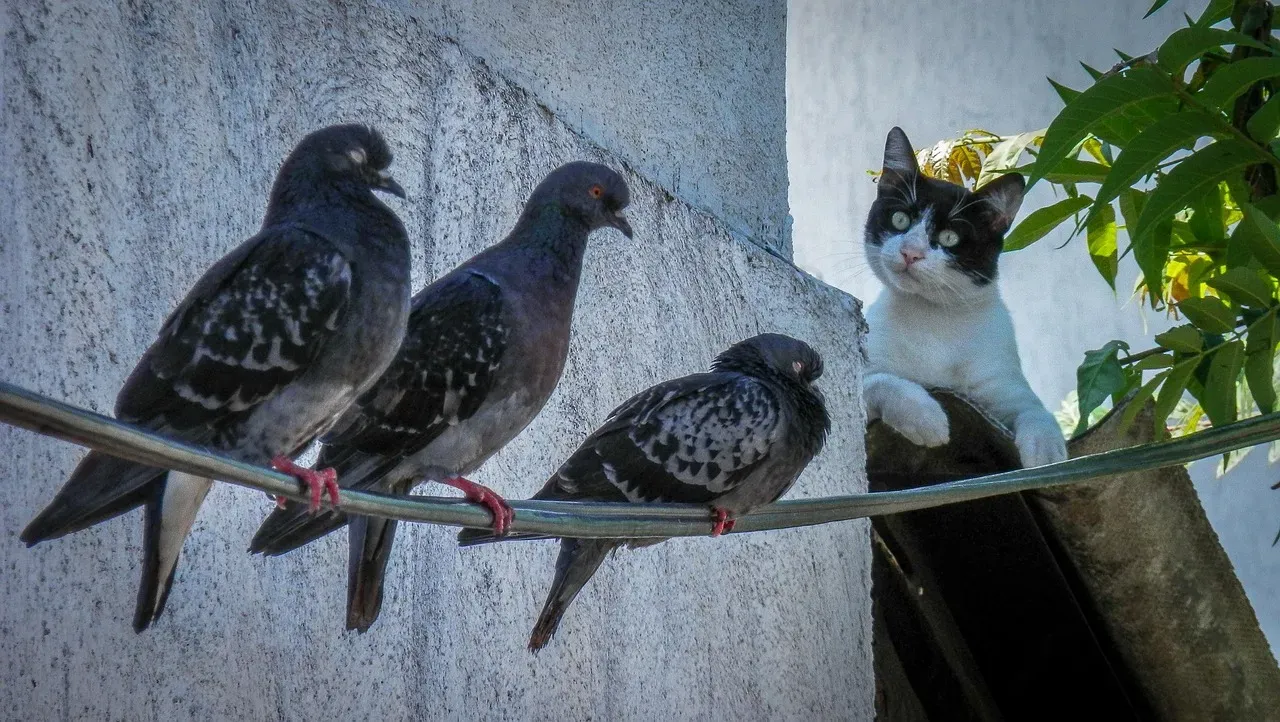
This is where things get genuinely fascinating. One of the most compelling theories out there suggests that your cat isn’t just reacting to birds. Your cat might actually be imitating them. One theory posits that cats may be attempting to mimic the sounds of birds or other prey, a strategy that could potentially confuse or attract their targets. Think of it like a con artist in a fur coat.
On an expedition into the Amazon rainforests of Brazil in 2005, researchers from Wildlife Conservation Society and the Federal University of Amazonas recorded a margay, a small wild cat, mimicking the chattering calls of its prey. People who live in the Amazon have often anecdotally recounted stories of wild cats mimicking the calls of prey such as small primates and rodents. That research trip was the first time scientists officially noted this behavior in a wild cat. Wild, right? Your house cat might be running the same ancestral playbook.
Researcher Rohe theorizes that all cats may be able to copy the vocalizations of their prey. While cats are known for their physical abilities in hunting, this vocal manipulation of prey species indicates a cunning which merits further study. It’s a bit unsettling when you think about it, but also kind of impressive.
Frustration and the Window Problem
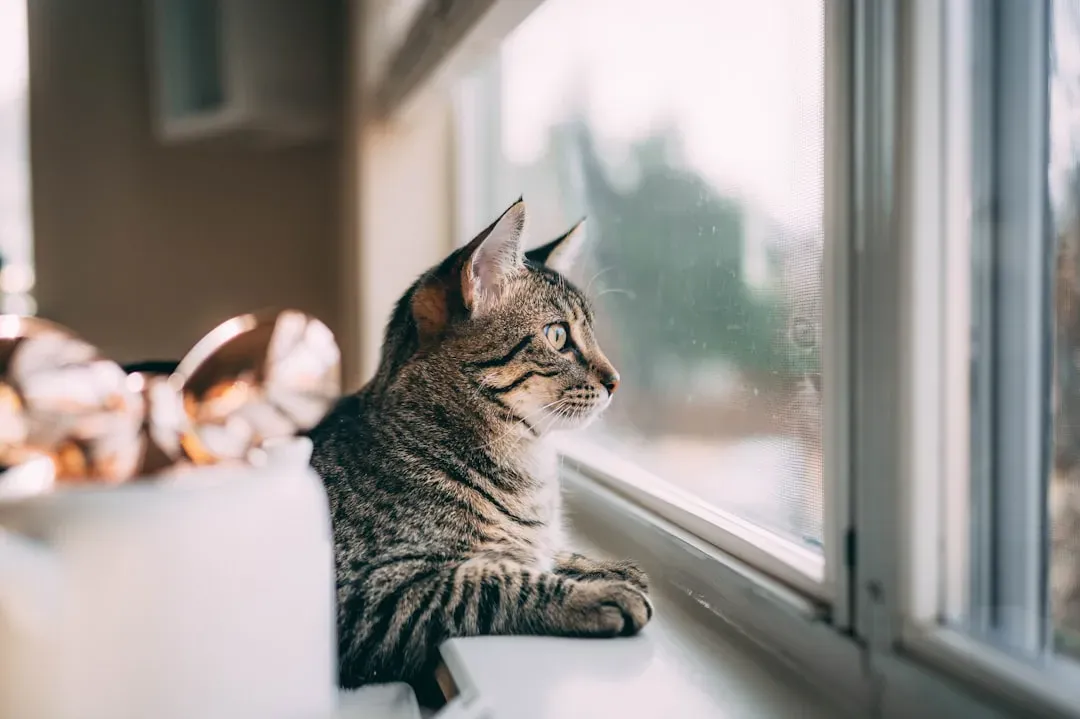
Let’s be real. You’ve probably seen your cat absolutely losing it at a bird that’s just out of reach, separated by a pane of glass. That frantic, almost desperate sound you hear? This sound may occur when a cat is mildly frustrated or eager, such as when they spot a bird through a window but cannot reach it. The glass isn’t just a barrier for the bird. It’s basically a wall of torment for your cat.
According to Marilyn Krieger, a certified cat behaviorist in San Francisco, when cats are separated by a barrier like a window, their chattering indicates irritation at being unable to reach the prey. Cats chirp because they want the bird but can’t get it. The disconnection between the urge to pounce and the inability to act creates frustration. Chirping can be a vocal outlet for that energy, like a human muttering under their breath when upset. You know the feeling, honestly.
When Chirping Is Actually a Happy Hello
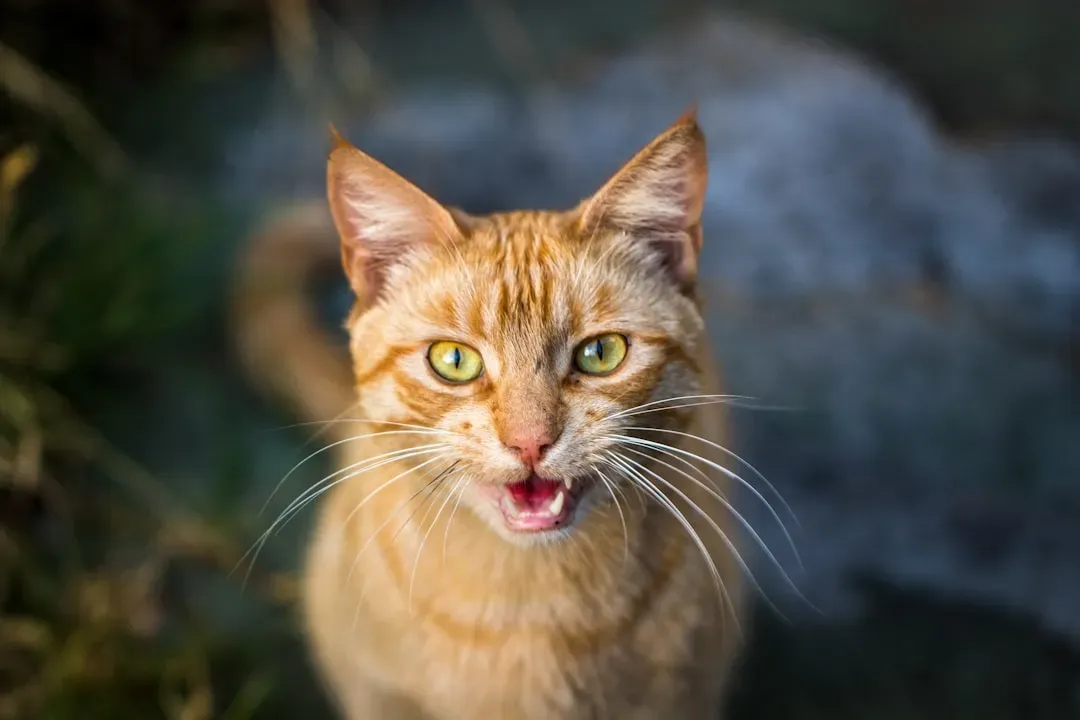
Not all chirping is about hunting and prey and predatory frustration. Sometimes, your cat chirps at you simply because you walked through the door. Interestingly, some cats use chirping as a form of greeting. This is more common in homes with multiple cats, where one might chirp to greet another, or toward their human when they come home. That’s genuinely sweet when you think about it.
Just like humans and many other animals, cats like to say, “Hello! I’m happy to see you.” This greeting may be directed to other cats or you. It also implies that your cat is friendly, not hostile, and can be a way of showing excitement. Often, there’s body language accompanying this chirping. A cat may raise their tail, blink slowly, or rub against you. Along with the chirp, these movements indicate that the kitty is comfortable and is bonding with you or another animal. Your cat has basically invented its own version of a wave.
Reading Your Cat’s Body Language During a Chirp
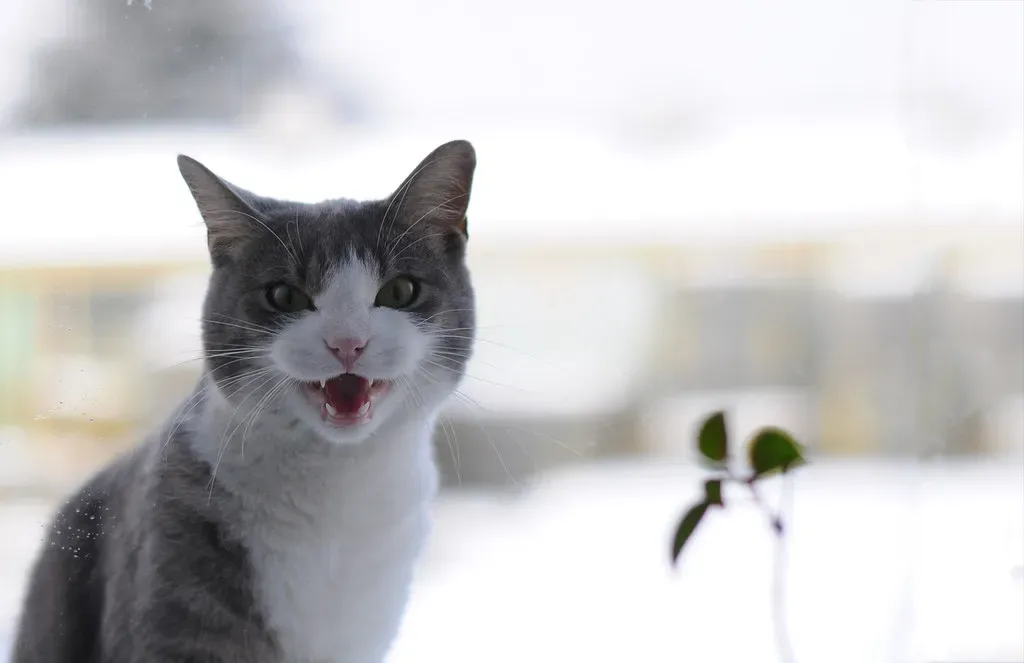
The chirp is never really alone. It comes packaged with a whole set of physical signals that tell you exactly what your cat is feeling in that moment. When friendly chirping starts, notice how your cat’s body language reflects their mood: bright, blinking eyes, tail swishing, ears up and pointed to the side, and gentle head-butting. While chirping at an unwanted guest such as a bird, however, your cat will probably adopt an alert stance like a crouched stalking pose. They may also have dilated pupils, sideways pointing ears, and an arched back.
When a cat is chirping, its body language may also provide additional clues to its mood. For example, a twitching tail, forward-facing ears, and wide eyes suggest a state of intense concentration. It’s like reading two conversations at once. There’s what the chirp is saying, and then there’s what the entire body is shouting. Once you learn to read both together, you’ll feel like you’ve suddenly unlocked a secret feline language.
Which Cat Breeds Chirp the Most?
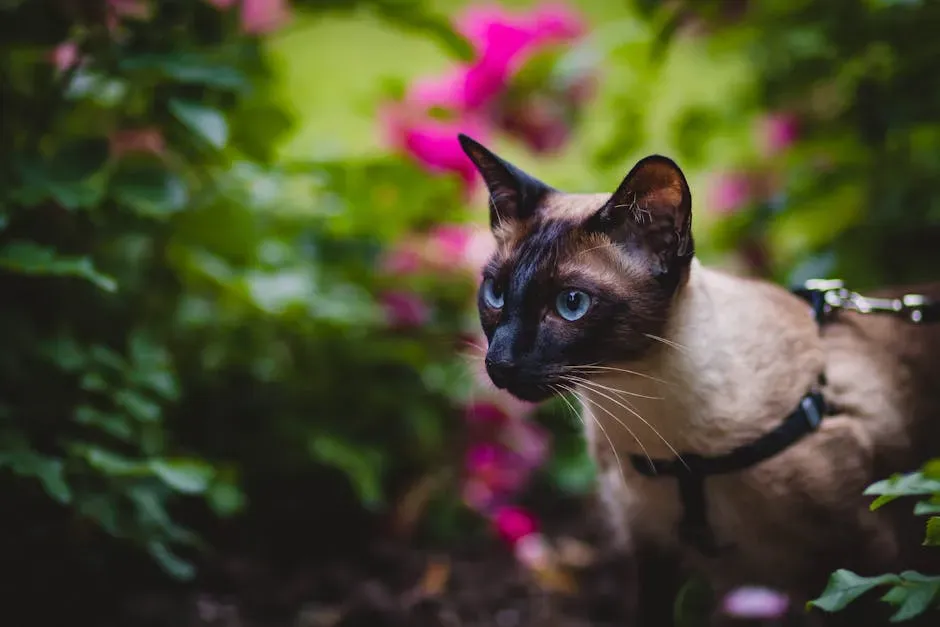
If you’ve ever met a Siamese cat, you already know that some cats simply come pre-wired to be vocal. Interestingly, some breeds are more prone to chirping than others. This behavior is more commonly seen in vocal breeds and those with high energy levels. It’s not a coincidence. It’s basically written into their DNA.
Siamese cats are known for their chatty nature and often chirp as part of their regular communication. Bengals, which are highly active and intelligent, frequently use chirping to express excitement. Maine Coons are famous for their wide range of vocalizations, including chirps, trills, and meows. Oriental Shorthairs are another talkative breed that enjoys communicating with their owners through chirps and other sounds. On the flip side, not every cat chirps at all, and that’s completely normal too.
When Should You Actually Be Concerned About Chirping?
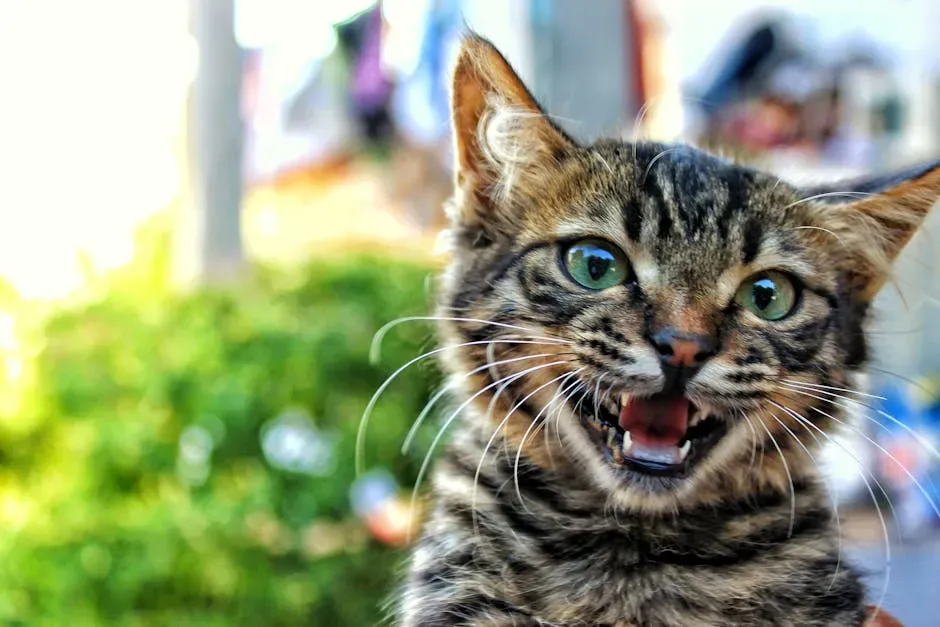
Most of the time, chirping is nothing to worry about. It’s healthy, natural, and honestly pretty entertaining. Still, there are moments when the behavior is worth paying closer attention to. If your cat is chirping excessively and combining it with yowling, crying, or other unusual vocalizations, it may be a sign of stress, anxiety, or a medical issue. Cats sometimes develop new vocal habits due to pain, cognitive changes, or environmental stressors.
If your cat’s chirping sounds raspy or is accompanied by coughing, sneezing, or labored breathing, it may indicate an upper respiratory infection or another medical concern. In this case, it’s best to have them evaluated by your veterinarian. A general rule of thumb is that any change in a cat’s vocalization, whether in frequency, intensity, duration, or pitch, warrants a visit to the veterinarian to evaluate for pain, illness, or anxiety. When in doubt, trust your gut and book that vet appointment.
Conclusion: Your Cat Is Speaking. Are You Listening?
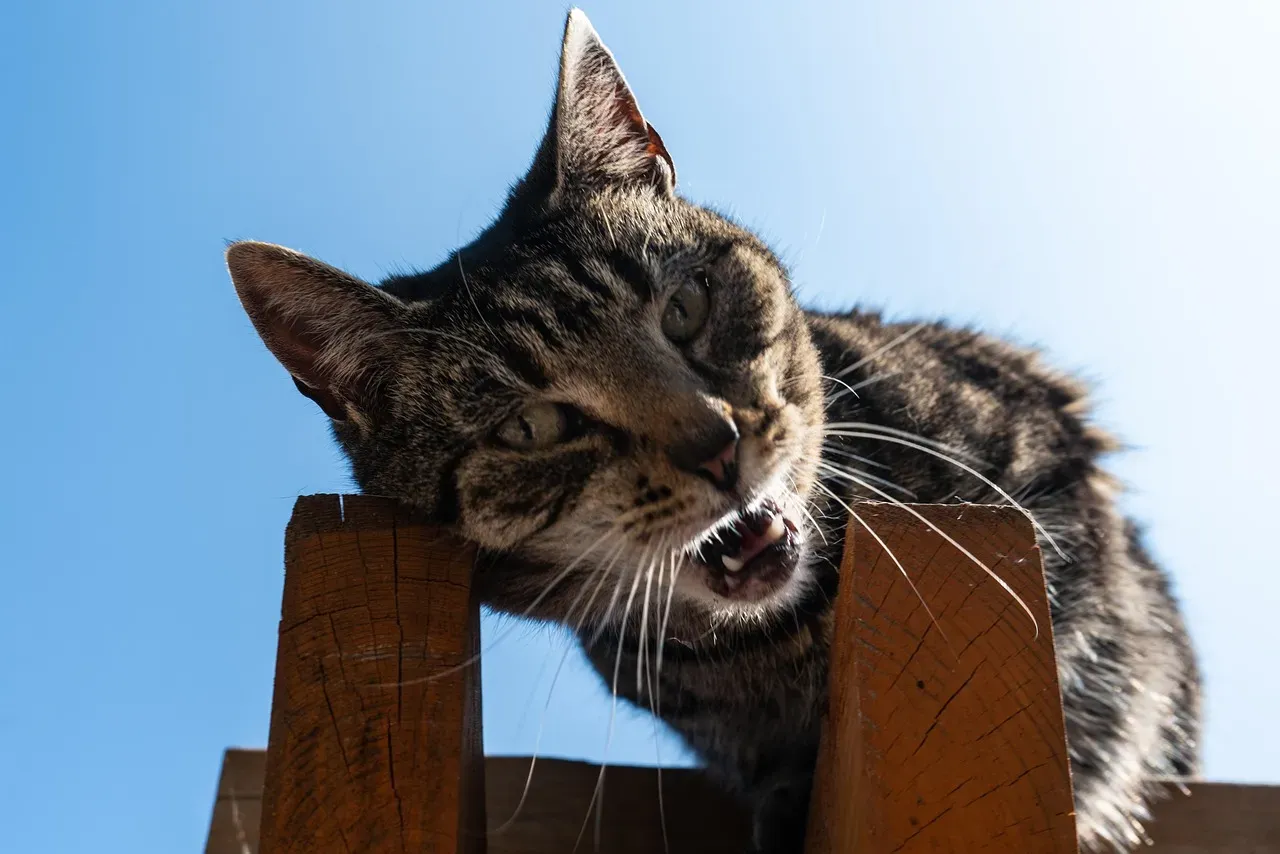
The chirp is not just a weird noise. It’s your cat’s way of telling you something real, whether that’s “I’m absolutely captivated by that pigeon,” “I’m so happy you’re home,” or “I really wish that window wasn’t there.” Cat chirping is a natural and complex behavior rooted in hunting instincts, emotional excitement, and sometimes frustration when prey is out of reach. This quirky vocalization directed at birds, bugs, or toys is a sign of mental engagement, not distress, and reflects a cat’s primal drive in a modern setting.
The next time you hear that tiny musical burst from across the room, take a moment to look at what your cat is looking at. Watch their body. Read their energy. You might be surprised by just how much of a conversation is happening. Allowing your cat to chirp at birds or other prey lets them connect to their wild roots, and helps your house cat feel some of the rush of the hunt. There’s an ancient predator living in your home, and it’s trying to talk to you in the most charming way possible.
So the real question is: now that you know what that chirp actually means, will you start chirping back? Some cats might just answer. Try it and see what happens.
Kristina is a young writer from India. An arts graduate and an avid content creator, Kristina is passionate about animals and wildlife. She enjoys exploring topics related to pet care, animal behavior, conservation, and nature, combining thorough research with engaging storytelling.