You’ve probably caught your cat mid-nap in the strangest position imaginable – twisted like a pretzel on the sofa, or completely flat on their back like they forgot gravity was a thing. It’s adorable, sure. However, there’s actually something a whole lot deeper going on beneath all that cuteness.
Your feline companion’s sleep habits and positions can tell you volumes about their physical and emotional well-being. Cats spend an impressive twelve to sixteen hours sleeping each day, making their rest patterns a significant part of their daily routine and overall health. So the next time your cat zones out in that favorite corner of the couch, you might want to pay closer attention. There’s a full personality portrait hidden in the way they snooze. Let’s dive in.
Why Cats Sleep So Much in the First Place
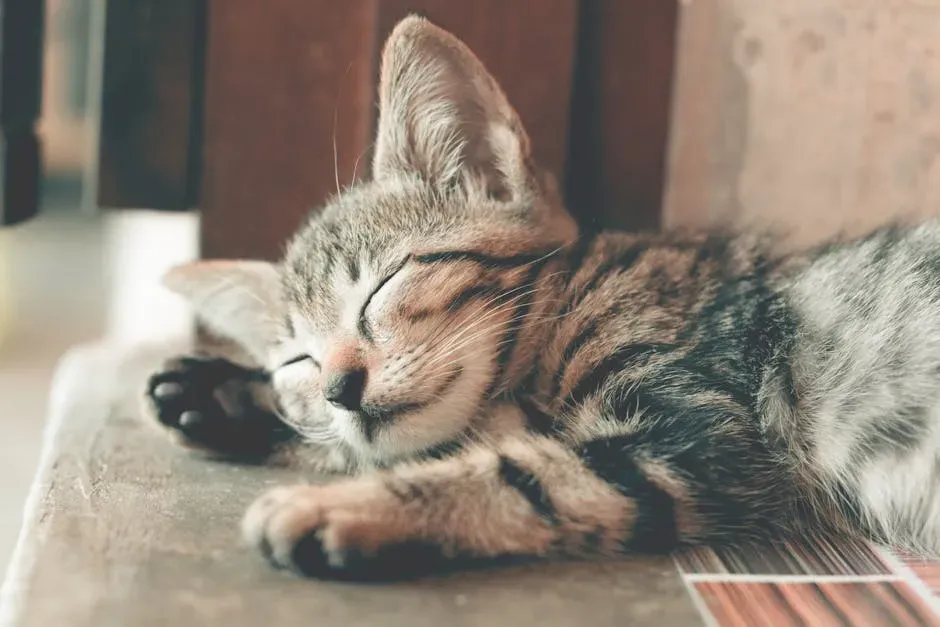
Here’s the thing most people don’t realize: your cat’s sleep drive isn’t laziness. It’s actually deeply rooted in evolution. Fundamentally, cats are predators, and sleeping is vital to conserve their energy after hunts. Cats are anatomically and physiologically designed to hunt for their food, even if you now provide it for them in a bowl.
Even if your cat is only hunting their favorite toy or chasing after a pretend mouse, the effect is the same: they employ energy-intensive techniques such as stalking, pouncing, chasing, and climbing. Your cat is on alert throughout their “hunt,” using high levels of adrenaline and energy to keep their body fueled. Think of it this way – your cat is basically a professional athlete who sleeps between training sessions. All that napping isn’t wasted time. It’s recovery.
The Curled-Up Ball: Your Cat’s Security Blanket
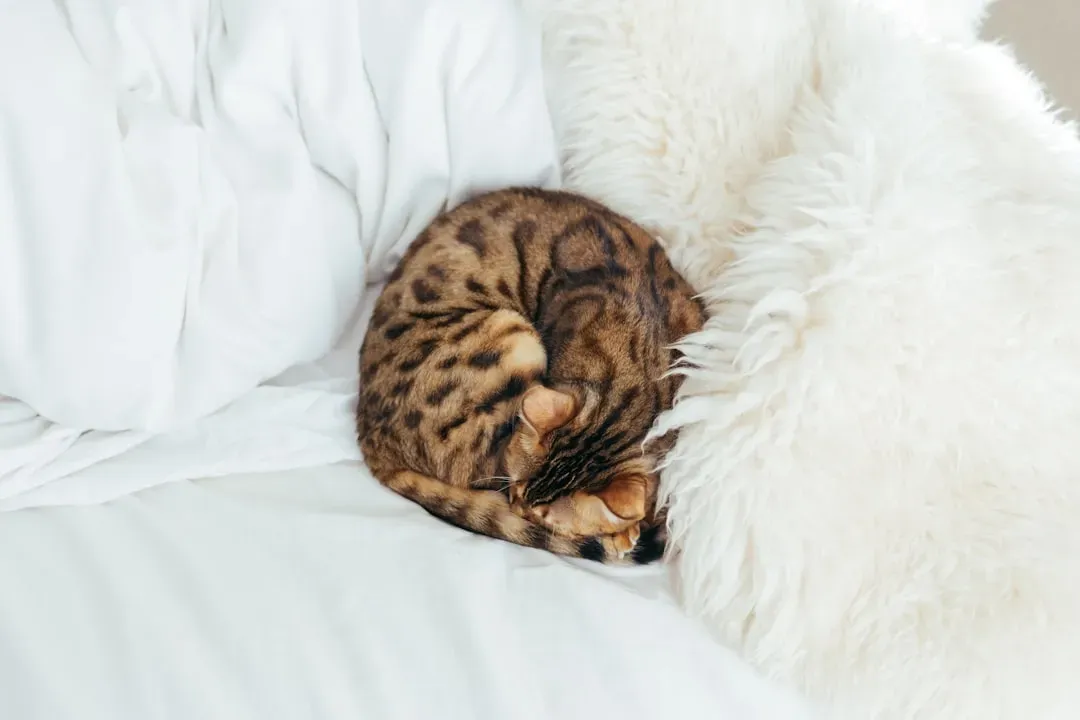
The curled-up sleeping pose, often called the crescent, is probably the most familiar position you’ll see your cat adopt. Your cat forms a compact shape by tucking its paws, wrapping its tail around its body, and pressing its nose towards the chest. Primarily, it helps preserve body heat. Cats naturally seek warmth, and curling tightly is an effective way to conserve it.
Protection is another key reason behind this pose. When cats curl up, they shield their vital organs. This behavior has roots in their wild ancestry, offering both comfort and an increased sense of safety. I think it’s honestly one of the most telling positions of all – a cat who curls up tight in a ball is essentially saying, “I feel safe enough to rest, but I’m keeping myself protected just in case.” It’s cautious comfort, and it speaks to a more careful, observant personality.
The Belly-Up Sprawl: The Ultimate Trust Signal
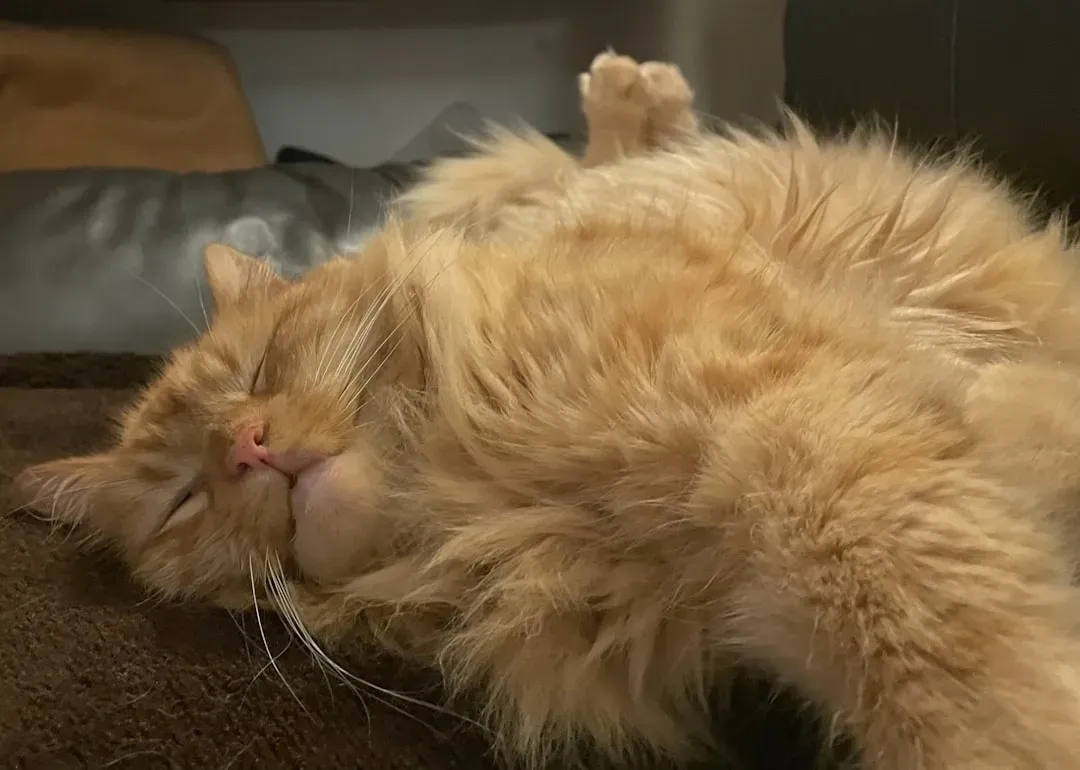
When your cat sleeps on their back with their belly exposed, they are demonstrating a high level of trust in their environment. This position is vulnerable, which means your cat feels completely safe around you and has no fear of being attacked or disturbed. Honestly, if your cat does this near you regularly, take it as one of the highest compliments a cat can give.
Sleeping on the back with the belly exposed indicates total relaxation and well-being. The cat’s stomach is the most vulnerable part of their body, and lying flat on the back with legs extended in the air – unable to quickly escape in case of danger – exhibits total trust. Cats who favor this position tend to have outgoing, affectionate, and emotionally secure personalities. Although some cats tolerate and may even enjoy belly rubs, it’s not a good idea to startle your sleeping cat and possibly trigger a defensive reaction. Admire the belly. Don’t always touch it.
The Classic Loaf: Calm, Cool, and Quietly Strategic
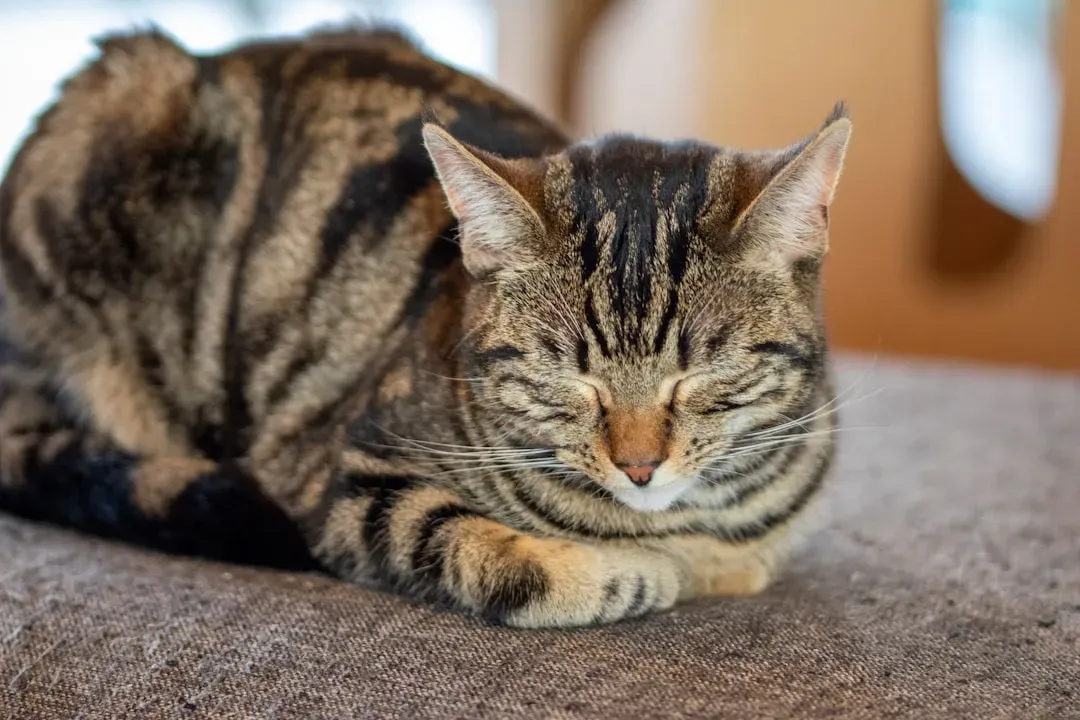
The loaf position resembles the shape of a loaf of bread. Cats sleeping in this position keep their front paws curled underneath their body, with their head up. This position preserves a cat’s body heat and protects their vital organs. Cats sleeping in a loaf position may be relaxed, but they are also poised to spring into action and use their claws if they’re suddenly in danger.
The loaf position tells you your cat feels safe enough to relax, but not relaxed enough to fully “power down.” They want to observe without exposing their belly or limbs. Cats who favor the loaf tend to be independent, quietly confident, and just a little bit strategic about how much they reveal of themselves. The classic “cat loaf” position – front paws tucked neatly under the body – shows a relaxed but alert cat. They’re not anxious. They’re just keeping their options open.
Sleeping on Their Side: The Deeply Relaxed Dreamer
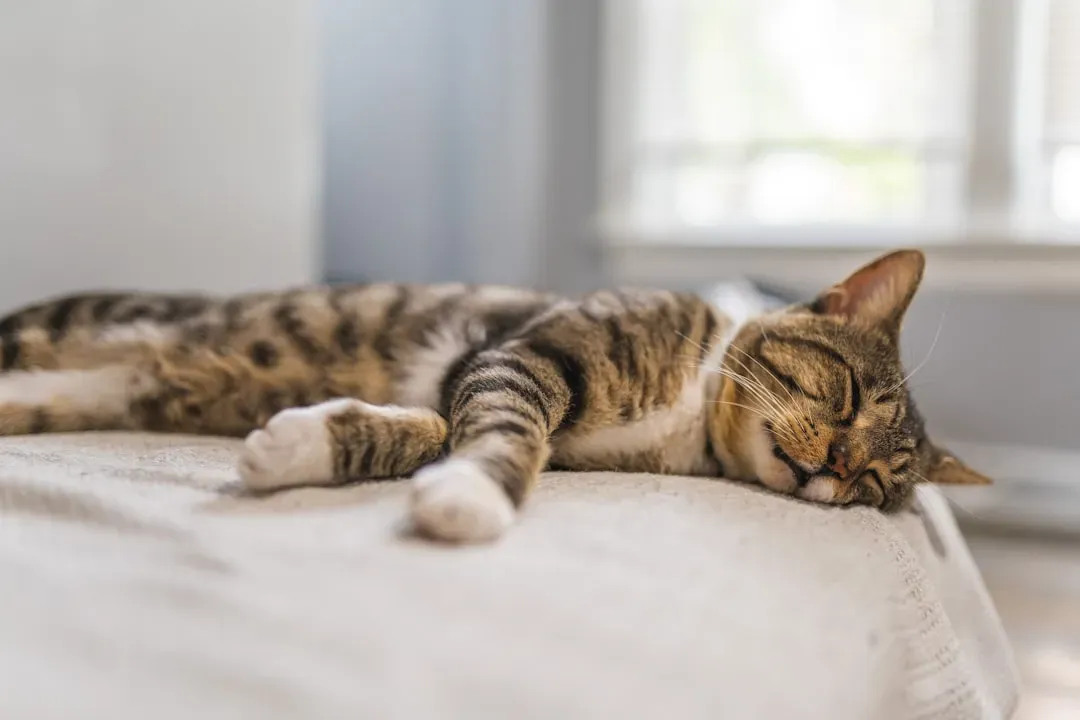
A cat lying on its side with limbs outstretched is in a deep, restful sleep. It means they’re feeling safe, stress-free, and completely at ease in their environment. This position is usually seen in well-adjusted, confident cats. If your cat regularly stretches out sideways in your living space, you’re basically doing everything right as a cat parent.
When your cat is spread out on their side, they are often in a deep sleep. If your cat is an avid side sleeper, it means they really do trust and feel comfortable around you, as this is one of the sleeping positions that leaves your feline friend most vulnerable. Side sleeping is also common in indoor cats who feel their home is predictable and emotionally stable. Predictable and stable – sounds like the kind of home every cat dreams of, quite literally.
The Hidden Sleeper: Introverted But Deeply Thoughtful
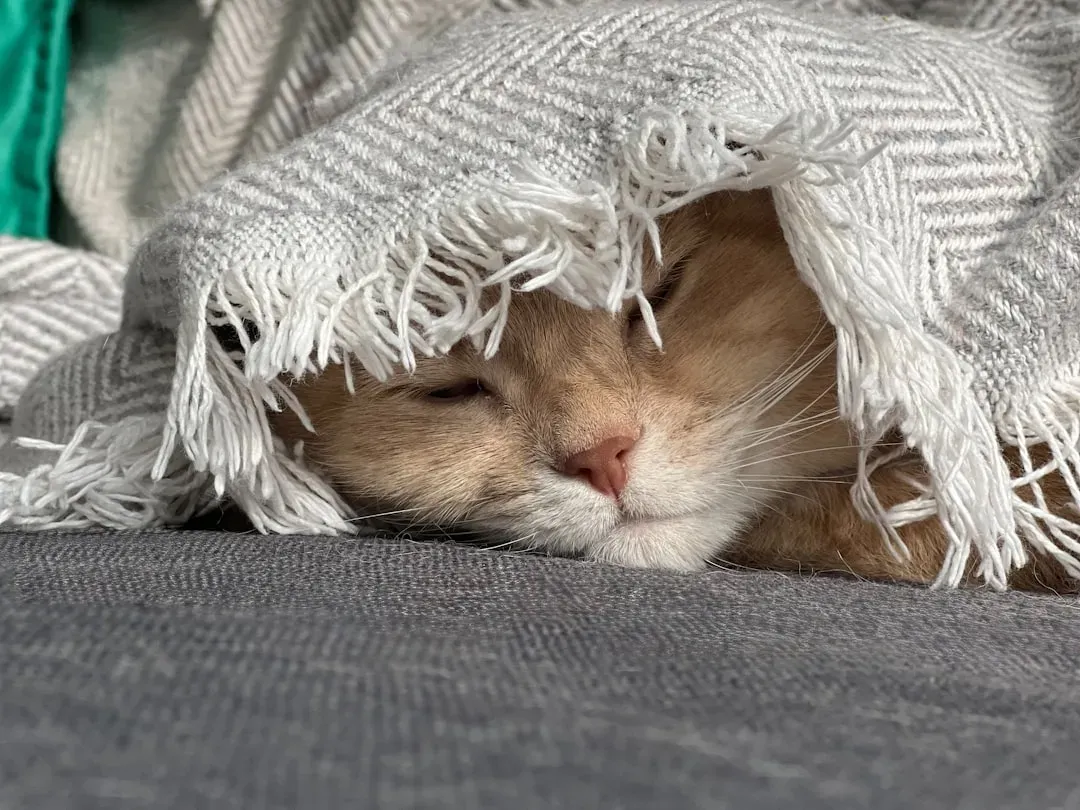
Some cats vanish into closets, laundry baskets, under beds, or inside boxes to sleep. This means they enjoy solitude, get overstimulated easily, and value quiet, den-like spaces. Hidden sleepers are usually thoughtful cats who prefer structured comfort. Don’t take it personally if your cat disappears for hours. It’s not about you – it’s about them recharging.
Cats who sleep in hidden spots tend to be independent, intelligent, sensitive to noise and movement, and emotionally deep but selective. Cats love to squeeze into boxes that are too small for them, and this behavior originates from their natural instincts, as wild cats needed to hide from their enemies. Think of your hidden sleeper as your home’s resident introvert – deeply observant, highly sensitive, and very deliberate about who gets access to their inner world.
Where Your Cat Sleeps on Your Bed Reveals Your Bond
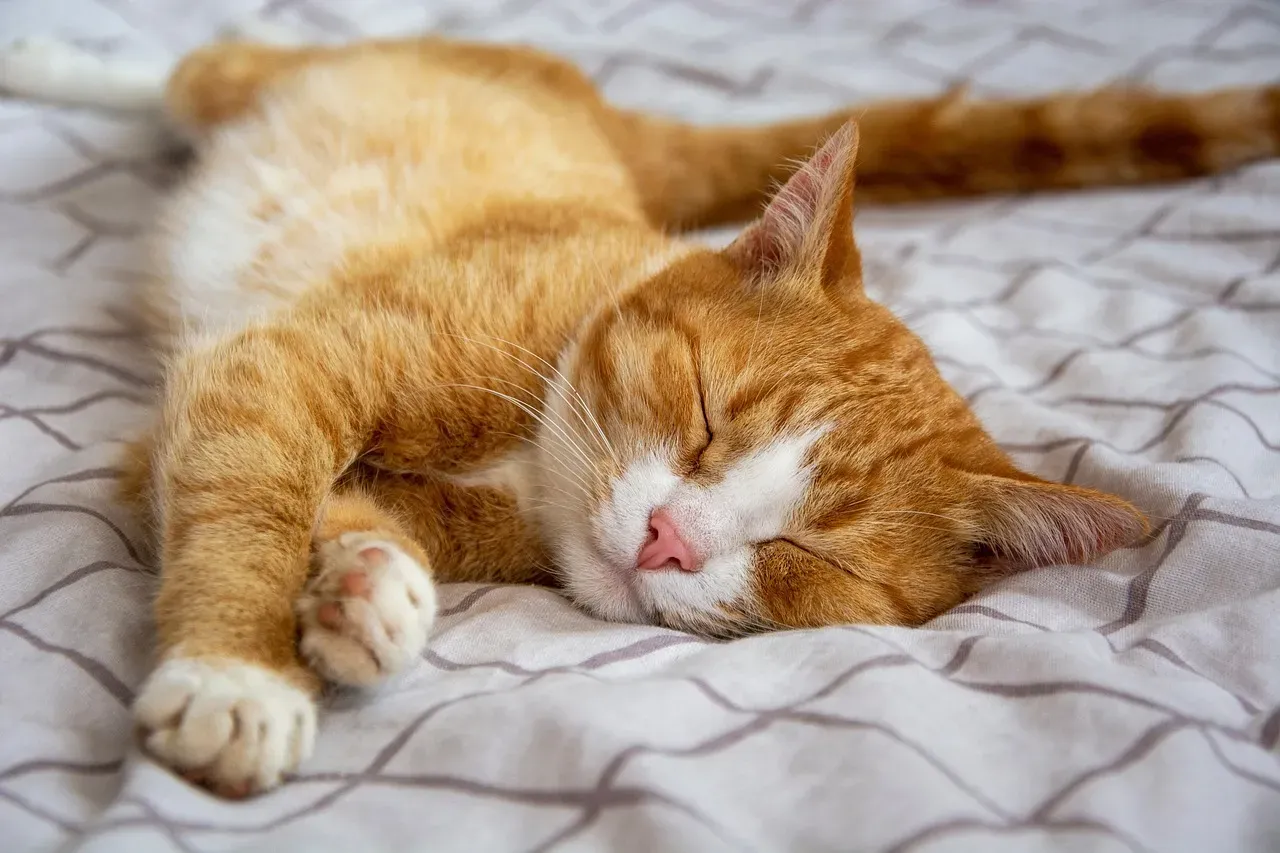
Your cat’s preferred sleeping spot on your bed is not random. Rather, it reflects their comfort level, trust in you, and even their emotional state. By analyzing these positions, you can gain insights into their behavior and relationship with you. A cat sleeping on your chest is different from one sleeping at your feet – and both mean something entirely distinct.
Sleeping at your feet strikes a pragmatic balance between affection and survival instinct. While your cat wants to be near you to feel the comfort of the “pack,” the foot of the bed offers the quickest escape route if a threat appears. Sleeping by your feet also allows your cat to monitor the door while maintaining physical contact with you. By curling up close to you, whether pressed against your chest or simply at your feet, your cat is signaling that they feel safe in your presence. A cat’s sleeping position can reveal the depth of their attachment.
Sleeping With Eyes Half-Open: The Alert and Cautious Watcher
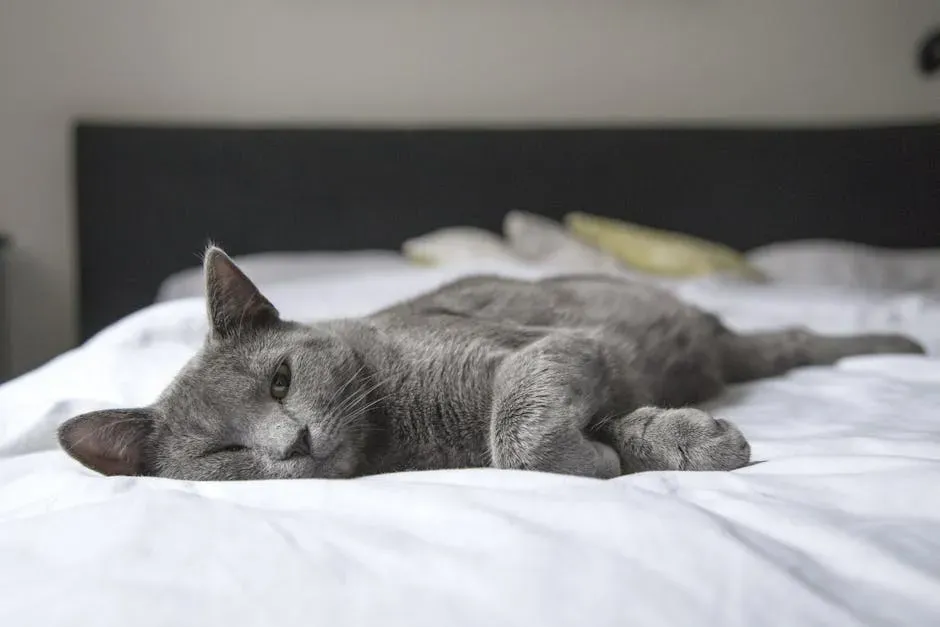
If your cat seems to be dozing with eyes partly open, they’re in light sleep mode. This half-alert state is common in cats who want to rest but feel they need to stay aware of potential changes or noise. It shows caution, or simply a habit from their wild ancestors who had to stay on guard. You might find this a little unsettling to look at. Honestly, I get it.
Cats often nap with one eye open or both eyes half-shut as a way to stay alert. This behavior comes from their instincts as creatures that need to watch for both prey and potential threats, even while they rest. When your cat chooses to sleep this way, it is not necessarily a sign of worry or discomfort. More often, it reflects a state of light sleep. Your cat might be conserving energy but staying aware of movement in the environment, such as people walking by or another pet nearby.
When Sleep Habits Signal Something Is Wrong
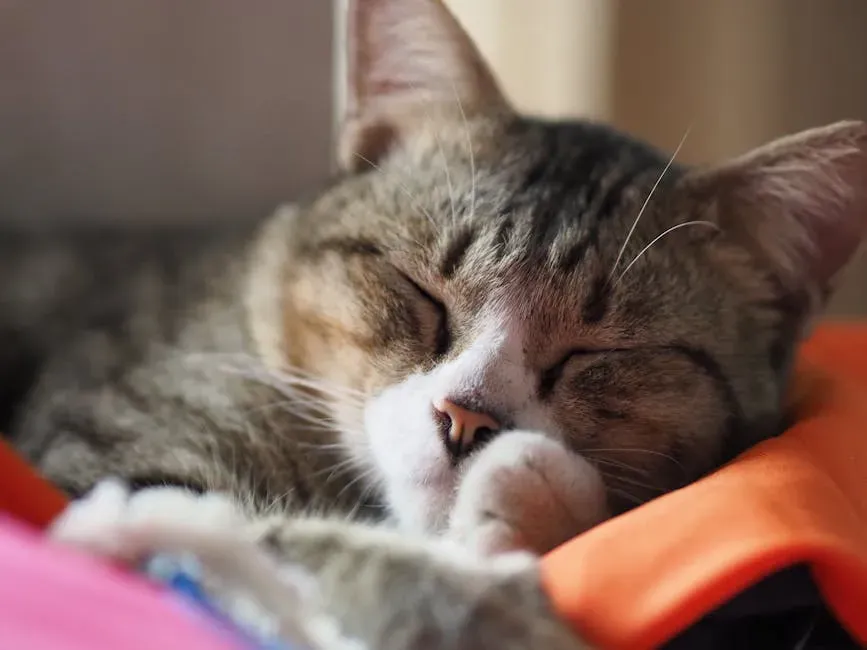
Certain sleep patterns can indicate health issues. A cat that suddenly starts sleeping in a hunched, tense position, hides in dark or enclosed spaces more than usual, or stops stretching out entirely may be in pain. Combined with changes in appetite, grooming, or litter box habits, altered sleeping behavior is a good reason to schedule a vet visit. Your cat can’t tell you they’re hurting. Their sleep is one of the most important clues you have.
A variation in your cat’s sleep pattern, changes in sleeping posture, or insomnia can indicate stress or illness, so please consult your veterinarian to ensure early detection with appropriate options for treatment. If you notice your cat sleeping a lot more than usual, or perhaps hiding away more, it may be best to check with your vet to make sure there’s no underlying medical issue. The earlier you catch a shift in sleeping behavior, the better the outcome tends to be. Pay attention to the details. Your cat is always communicating something.
Conclusion: Your Cat Is Talking. Are You Listening?
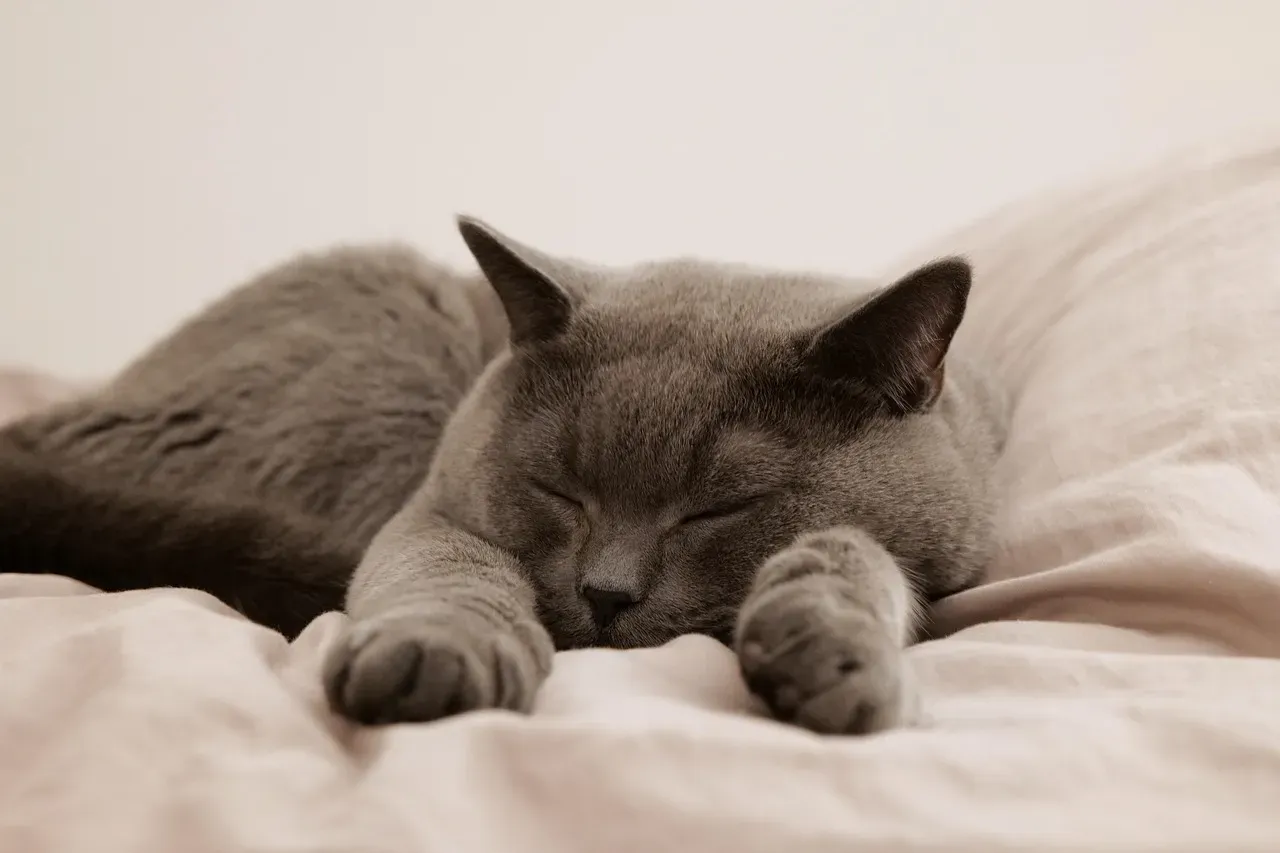
There’s something quietly magical about learning to read your cat’s sleep. It transforms an ordinary Tuesday afternoon nap into a conversation. Every curl of the tail, every stretched-out paw, every tucked-in nose is a tiny piece of information about how your cat feels about their world – and about you.
By paying attention to your cat’s sleep patterns and positions, you can gain valuable insight into their well-being and emotional state. This understanding allows you to create a supportive environment and strengthen your relationship with your feline companion. Every cat is unique, so learning to read your own cat’s individual sleep habits is key to providing them with the comfort and happiness they deserve.
The next time your cat sprawls belly-up in a sunbeam, consider it a compliment of the highest order. They chose safety. They chose comfort. They chose you. What position does your cat sleep in most? Tell us in the comments – you might be surprised what it reveals.
Kristina is a young writer from India. An arts graduate and an avid content creator, Kristina is passionate about animals and wildlife. She enjoys exploring topics related to pet care, animal behavior, conservation, and nature, combining thorough research with engaging storytelling.