You probably already know that your cat has opinions. Strong ones. About your schedule, your furniture arrangement, and absolutely about where they sleep. But what if those seemingly random nap spots were actually a detailed personality profile, broadcast in fur and purrs, just waiting for you to decode it?
If you live with a cat, you already know they can sleep anywhere, at any time, in positions that sometimes look questionable. Yet your cat’s sleeping spot is actually one of the clearest clues to their personality, emotional state, and comfort level inside your home. Think of it less like a quirky coincidence and more like reading a diary you were never supposed to find. Let’s dive in.
The Window Ledge Napper: Your Home’s Built-In Security System
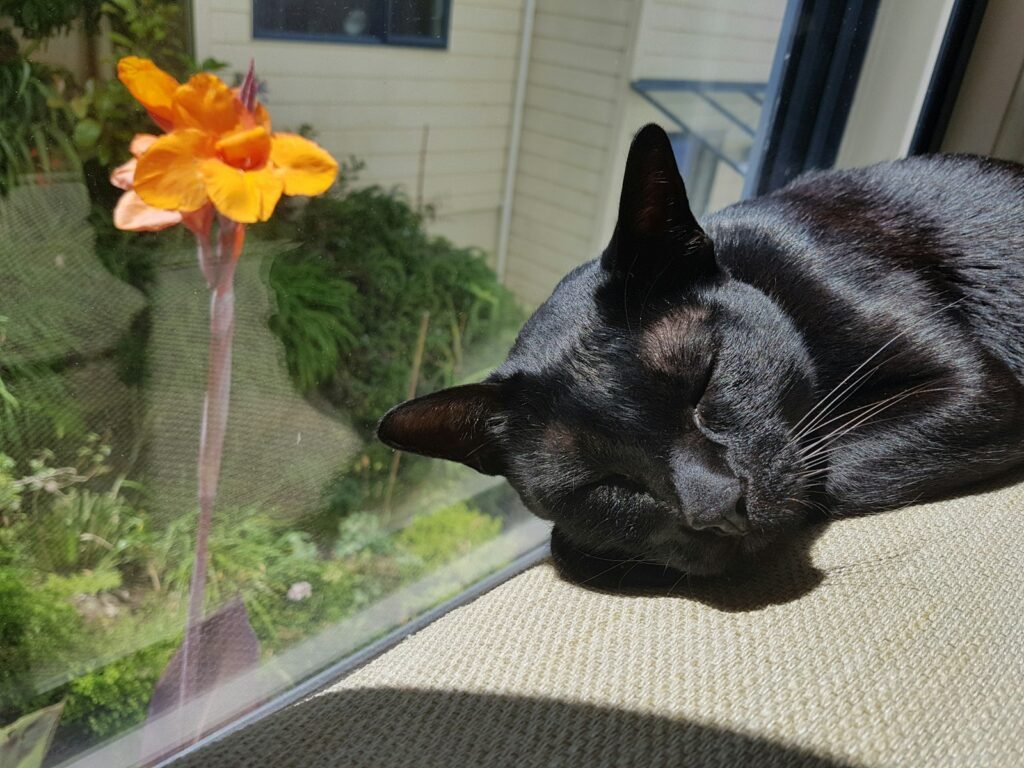
Is your cat the type that likes to sleep up on a high shelf, windowsill, or in the penthouse of their cat tree? It’s not because they have a penchant for luxury cat real estate. They’re actually going off instinct. Many cats feel more safe and secure from higher vantage points where they can get the lay of the land. Think of your cat as the neighborhood watch captain, except they’re also asleep on the job, which is honestly very relatable.
While it looks indolent, cats are actually expressing their survival instincts with these patterns of sleep and activity. They hunt most avidly at dawn and dusk, and alternate periods of rest with alert observation of their prey, their hunting territory, and any changes that might have taken place. A window-ledge sleeper is rarely just relaxing. They are monitoring, cataloguing, and quietly judging everything that moves outside.
The Bed-Center Sprawler: The Confident Ruler of Everything

If your cat sprawls out with their legs stretched wide, they’re likely feeling confident and relaxed. This position shows that your cat is comfortable in their surroundings and doesn’t feel threatened. It’s a sign of contentment and can also indicate that your cat is confident in their social bonds. Cats who sleep like this are often the ones who enjoy being the center of attention and may have a more outgoing personality.
It turns out that cats who sprawl out in the middle of the living room floor for a nap trust you as their owner. If your cat likes to sleep out in the open, whether that be the middle of the room, out on the sofa, or wherever, that means they feel very secure and safe in their environment. Honestly, if your cat takes up three-quarters of the bed without apology, they’re not being rude. They’re just being completely, radiantly unbothered.
The Hidden Spot Hider: The Introverted Thinker Who Needs Their Space

If your cat sleeps tucked away in a corner or under furniture, they may be more cautious or introverted. Hidden sleepers are usually thoughtful cats who prefer structured comfort. They are not antisocial. They are simply the feline equivalent of the person who recharges alone after a party, the kind who goes quiet not out of coldness, but out of deep self-awareness.
A cat snoozing on the bed is less engaged and more relaxed than a cat lying on a table near the window, listening for activity at the bird feeder. Cats often hide in order to deeply recharge. Not anxious, just strategic. These cats often have strong independence and high problem-solving skills. If your cat disappears into the wardrobe for hours, you’re not being ignored. You’re living with an introvert who takes their alone time very seriously.
The Belly-Up Sleeper: The Cat Who Trusts You Completely

A cat sleeping on its back with its belly exposed is displaying complete trust in their environment and the people around it. The belly is a cat’s most vulnerable area, so this position means they feel entirely safe. Warm rooms and calm households encourage belly-up sleeping, though some cats simply never adopt this posture regardless of how secure they feel.
When your cat sleeps on their back with their belly exposed, they are demonstrating a high level of trust in their environment. This position is vulnerable, which means your cat feels completely safe around you and has no fear of being attacked or disturbed. Cats who sleep like this often have a friendly, trusting personality, and they’re usually quite affectionate with their owners. I think this is one of the most touching things a cat can communicate. No words, just a belly pointed at the ceiling. Pure trust.
The Loaf Position Sleeper: The Calm, Strategic Observer
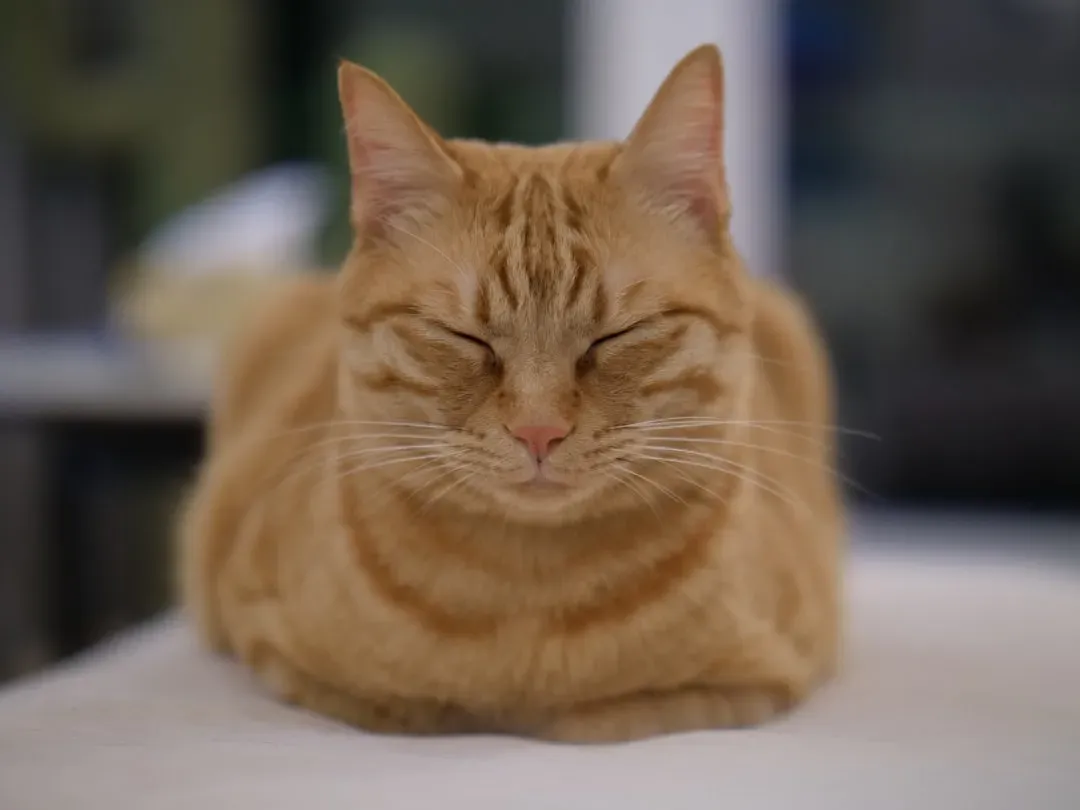
Your cat tucks their paws neatly under their body, like a fluffy bread loaf. This is the calm-alert position. Loafers are often cats who love their environment but keep a small buffer of caution, not anxious, just strategic. It’s the sleeping equivalent of sitting at a café with your sunglasses on, watching everything while pretending not to. Cool, composed, and completely in control.
This classic cat body language pose features tucked paws and a perched position like a loaf of bread on standby. The cat is resting lightly but alert, conserving warmth while staying ready to spring. It’s a comfortable “resting alertness” position cats naturally adopt. A loaf-position cat is almost always a deeply observant animal with a sharp, curious mind. They see everything. They just choose not to react to everything, and honestly, that is wisdom.
The Curled-Up Ball Sleeper: The Warmth-Seeking Homebody

Your feline friend curls up into a tight ball, seeking warmth and comfort in this adorable sleeping position. This instinctive pose conserves body heat while protecting your cat, a throwback to their wild ancestors. Your kitty is confronting the cold like a true snuggle champion. It’s primal, yes, but it also says a great deal about temperament. A cat who consistently returns to this position tends to be gentle, self-contained, and a little sentimental.
This position indicates your cat may be cold, tired, or seeking solitude. The personality insight here is that they are independent but cautious, preferring quiet corners or enclosed, cave-style spaces. A cat sleeping in a curled-up position is trying to protect its vital organs and is seeking warmth. The curled-ball cat is the classic homebody: loyal, comfort-loving, and delightfully predictable in the best possible way.
The On-Your-Chest Sleeper: The Devoted Companion Who Chose You

Sleeping on your chest means deep attachment to your warmth and heartbeat. Your cat might choose you as their preferred place to snooze due to several reasons, including warmth. Cats have a high body temperature and are naturally drawn to a human body’s warmth. You are, essentially, a living heated blanket with a heartbeat. That’s a compliment, by the way.
Sleeping together can be a wonderful way for you and your cat to bond. When they sleep on you, they are showing you deep trust and affection. Sleeping on you could be your cat’s love language. Some breeds, like Ragdolls, love being with their owners, contrary to the popular belief that cats are independent. A cat that sleeps on your chest is not just lazy or opportunistic. They are saying, in the most direct way available to them, that you are home.
The Foot-of-the-Bed Sleeper: Affectionate but on Their Own Terms
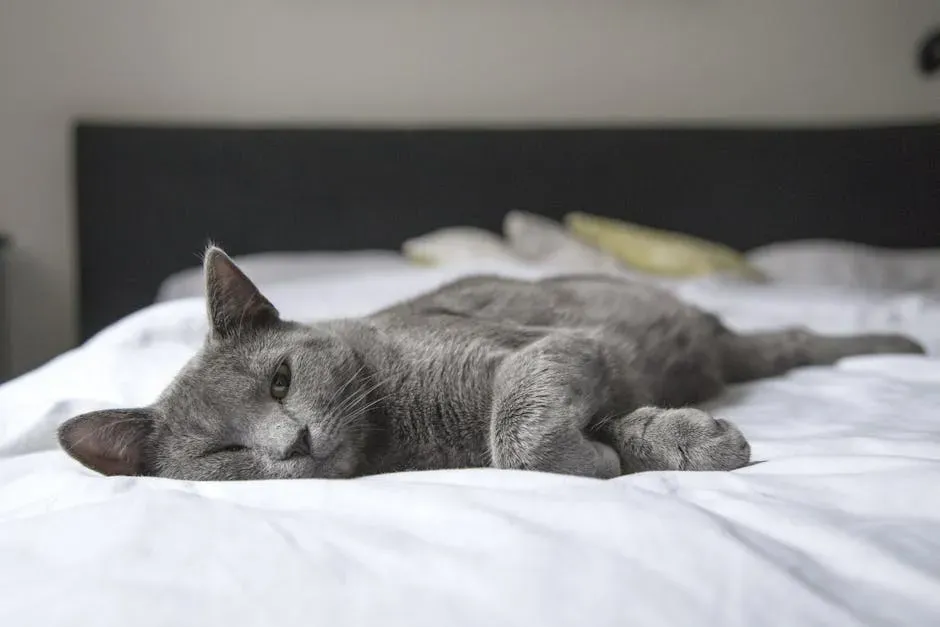
A cat sleeping at your feet is showing affection while keeping their independence. The foot of the bed offers warmth, proximity, and a clear view of the room with an easy exit route. Cats with a watchful personality often prefer this spot. It’s the perfect arrangement, really. Close enough to feel connected, far enough to bolt if needed. Honestly, a very healthy attitude toward personal space.
Feet are a popular place for a cat nap because it’s a one-two punch, a place where they might feel connected to you, but not one where they might be trapped. Sleeping on your feet can allow for an easy exit if they need it. The foot of the bed provides a vantage point where they can stay close to their human while still keeping an eye on the room. This means your cat isn’t just sleeping at your feet for comfort, they may also see themselves as your personal night watch.
The Clothes-Pile Sleeper: The Scent-Bonded Sentimental Soul
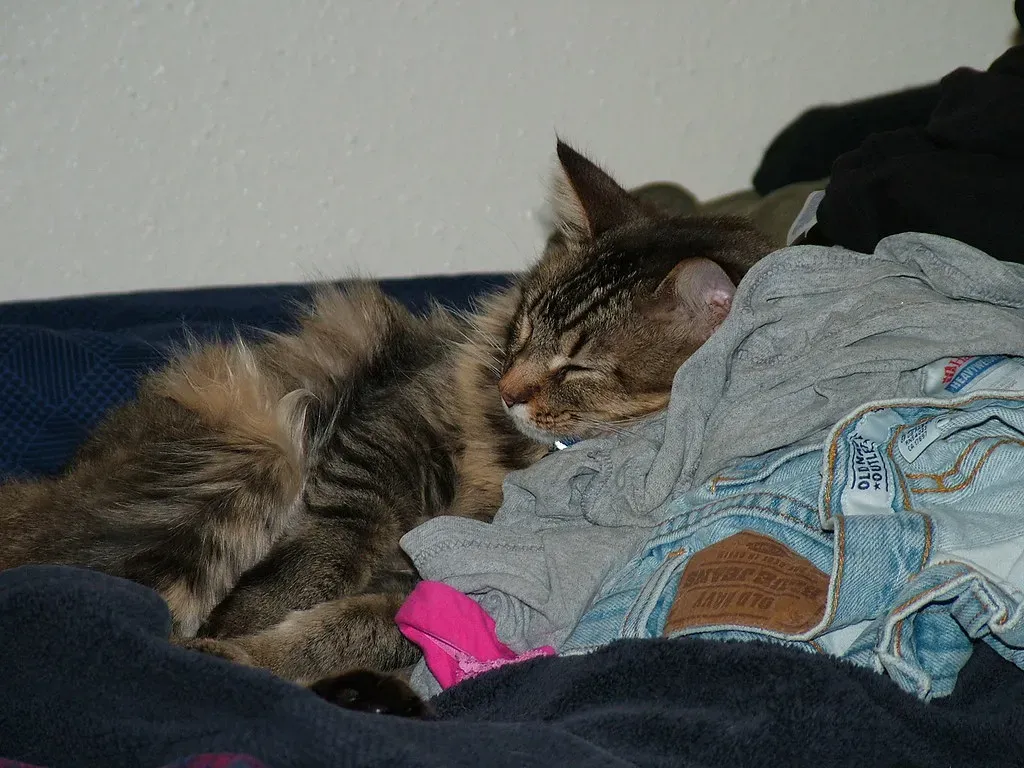
Your cat might be sleeping on your clothes because they are comforted by the familiar scent of you. This can be true whether you are away or at home. Clothes can also be warm and soft, making them a nice place to curl up. Additionally, it can be a territorial behavior in cats, as they might be trying to “claim” you by marking you and your belongings with their scent.
A cat that nests in your laundry pile is not just lazy. They are deeply scent-bonded to you in a way that is, honestly, a little touching once you stop being annoyed about the fur. Sleeping by your head or on your pillow means your cat is seeking your scent at its strongest concentration. Your face and scalp release natural oils that your cat associates with comfort and familiarity. Scent is the love language your cat speaks most fluently, and a clothes-pile napper is practically writing you a love letter in fur.
When the Nap Spot Changes: Your Cat May Be Telling You Something Important
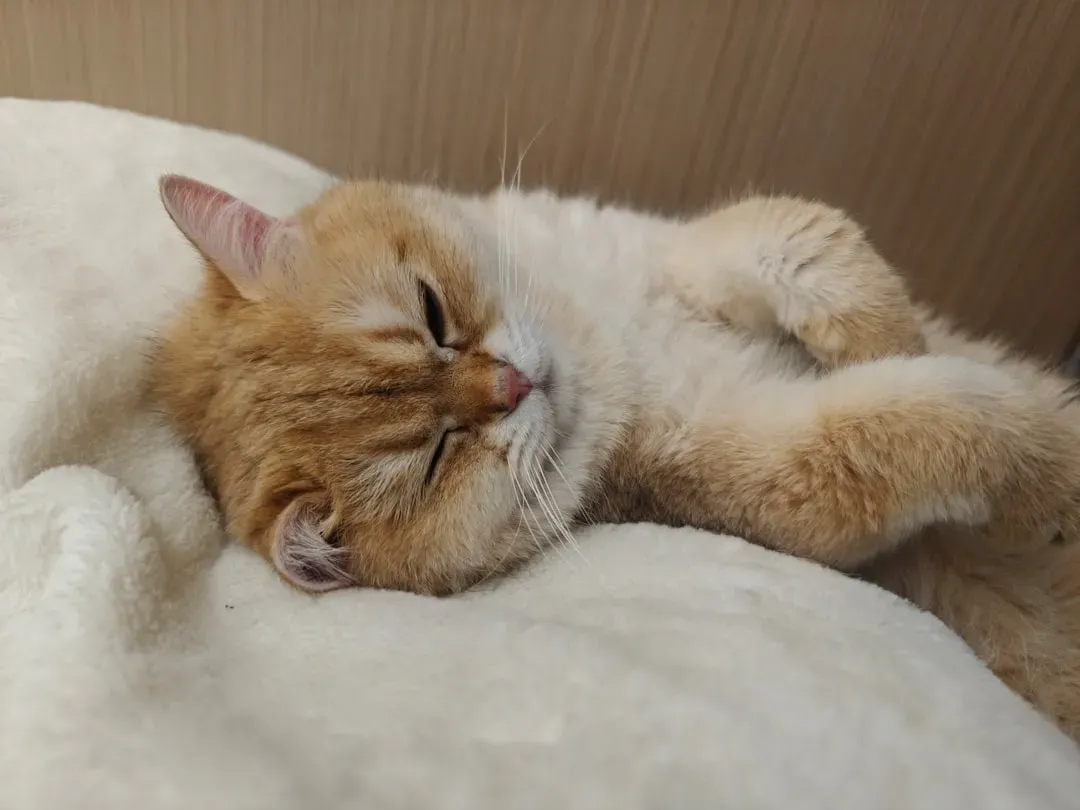
Sleep behavior changes with age, routine, and environment. A shift in where or how they sleep can signal stress, comfort, or even early health issues. If your cat’s sleeping habits change suddenly or significantly, it is worth paying attention. While some changes in sleep are harmless, others can be a sign of an underlying health issue. Your cat’s nap spot is not just a personality snapshot, it’s a real-time health update, if you know how to read it.
If your cat suddenly avoids shared spaces entirely or hides in unusual spots, it could indicate stress, illness, or a change in the household that’s making them uneasy. Certain sleep patterns can indicate health issues. A cat that suddenly starts sleeping in a hunched, tense position, hides in dark or enclosed spaces more than usual, or stops stretching out entirely may be in pain. Think of a sudden location change like an alarm bell. Subtle, quiet, easy to miss but absolutely worth noticing.
Conclusion

Your cat is not randomly flopping down for a snooze. Every spot they choose, whether it’s the sunny windowsill, the laundry pile, your chest, or that weird corner behind the sofa, is a deliberate, instinct-driven message about who they are and how they feel about you and their world. Your cat’s sleeping spot reflects trust and attachment. The fact that they choose to sleep near you at all is a strong indicator of trust. Cats are instinctively cautious sleepers; in the wild, they remain alert to potential threats even while resting.
The next time you see your cat taking a snooze, test out these insights and see if they match your whiskered friend’s slumber style. Every nap is a little window into their personality, so let the observing begin. The sleeping cat in your home is basically an open book. You just have to know which page you’re on. So next time your cat picks the oddest, most inconvenient spot in the house to curl up in, maybe don’t move them. They’re telling you exactly who they are. What has your cat’s favorite nap spot been telling you all along?
Kristina is a young writer from India. An arts graduate and an avid content creator, Kristina is passionate about animals and wildlife. She enjoys exploring topics related to pet care, animal behavior, conservation, and nature, combining thorough research with engaging storytelling.