You’ve probably caught your cat curled up in the same sunlit spot for the fourth time before noon and wondered whether something is actually wrong. Nothing is. What you’re watching is one of the most finely tuned survival strategies in the animal kingdom playing out on your living room couch.
Cats aren’t lazy. They’re engineered. Every nap, doze, and deep sleep episode serves a purpose that traces back millions of years of evolutionary pressure. Once you understand what’s really going on beneath those slowly twitching ears, the whole picture changes completely.
The Raw Numbers: How Much Do Cats Actually Sleep?
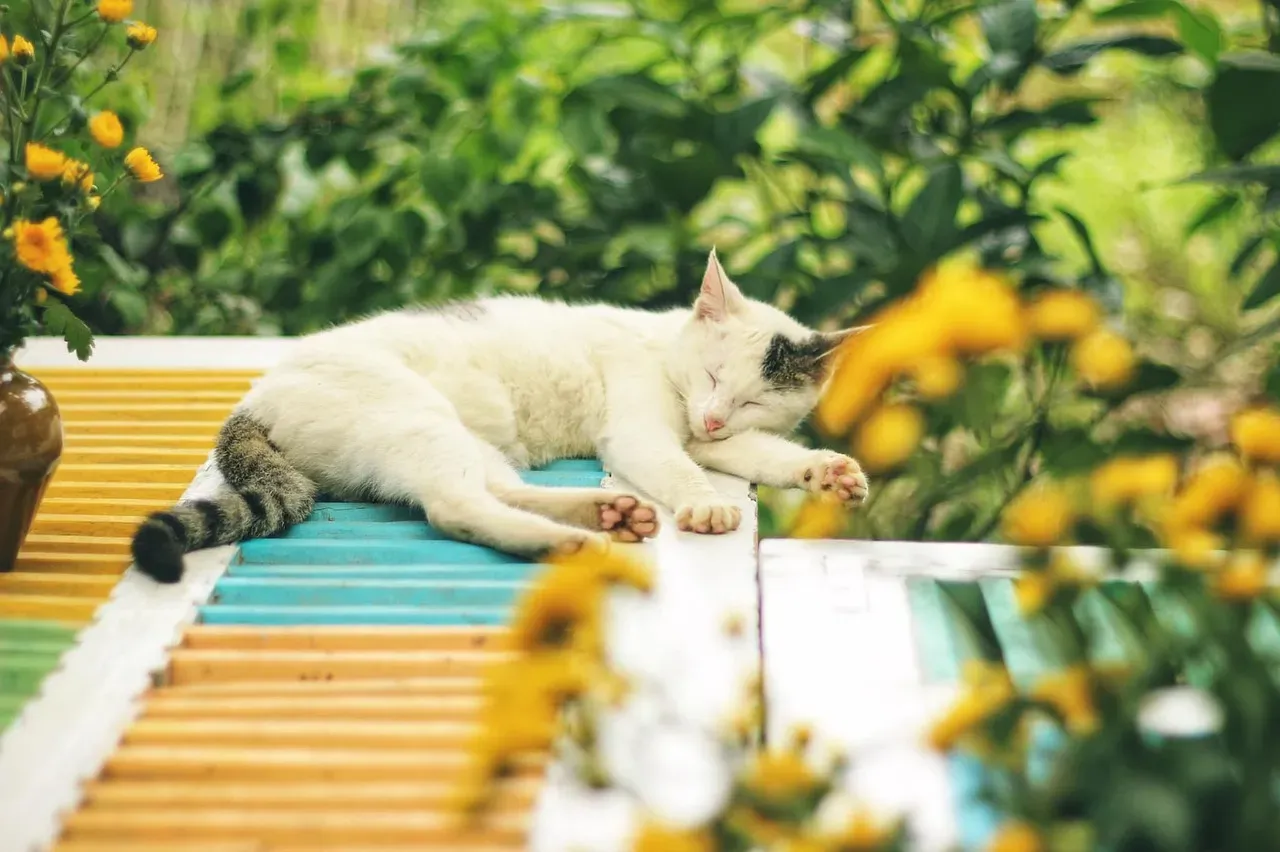
On average, cats sleep between 13 and 16 hours in a 24-hour day, roughly twice the amount their human owners require. That figure alone tends to stop people in their tracks. It seems excessive until you consider what their bodies are actually designed to do.
According to veterinary experts, cats normally sleep anywhere from 12 to 20 hours a day, with the average sitting around 15 hours and roughly two in every five cats sleeping over 18 hours daily. Age, activity level, and environment all shift those numbers, but the baseline remains consistently high across the species.
It Starts With Evolution: The Predator Blueprint
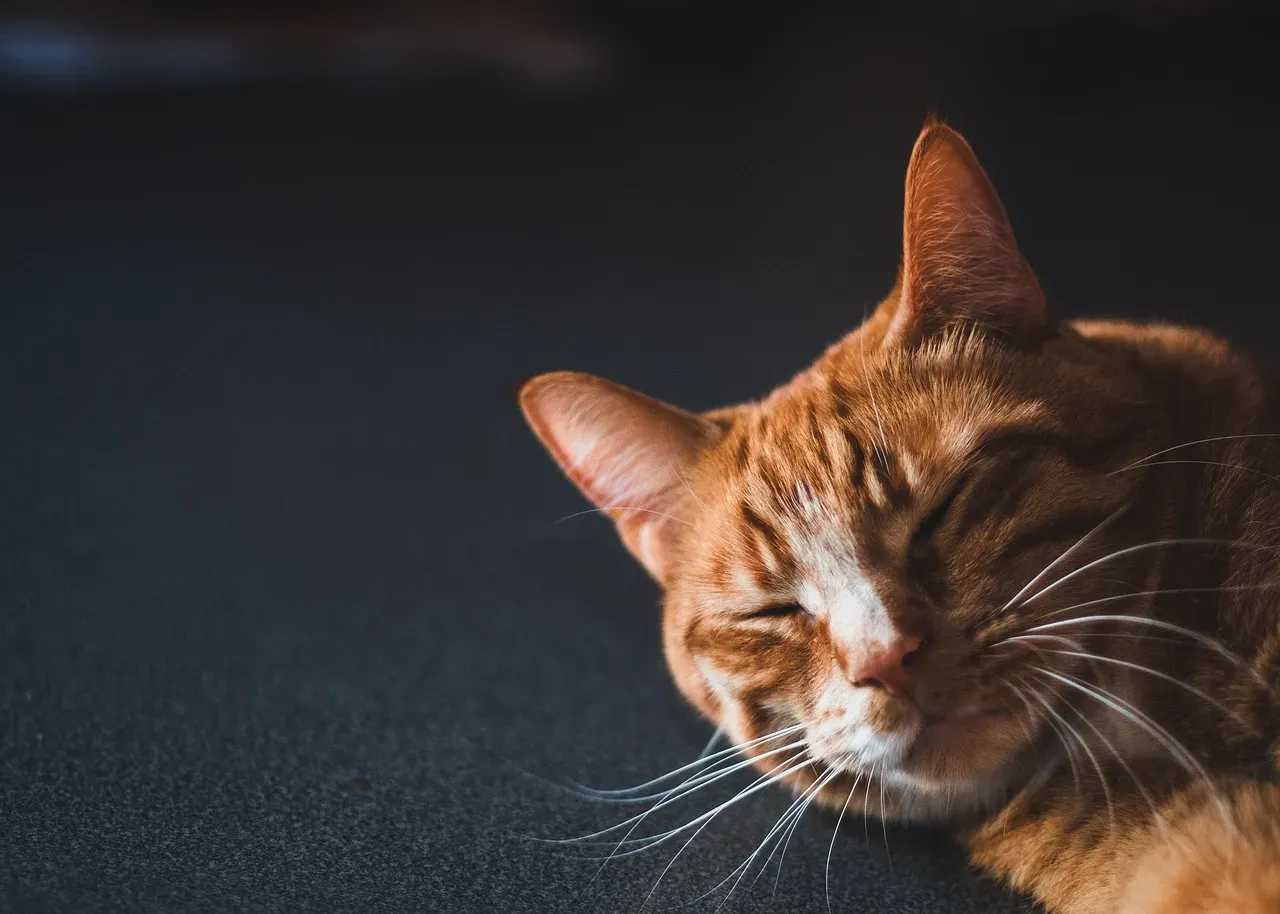
Cats’ sleeping habits are directly inherited from their wild ancestors. As predators, they are built for short, intense bursts of hunting activity followed by long periods of rest. This sleep-hunt-sleep cycle helped wild cats conserve energy for when they needed it most. That blueprint hasn’t changed, even for the cat who has never once hunted anything more demanding than a feather on a string.
Over time, as cats evolved from wild hunters to domestic companions, their sleeping patterns remained deeply ingrained in their DNA. Even though modern cats no longer rely solely on hunting for survival, they still possess the innate instinct to conserve energy through snoozing. Think of it as a feature that never got patched out, because from a biological standpoint, it never needed to be.
Crepuscular Creatures: Why Your Cat Ignores Your Sleep Schedule
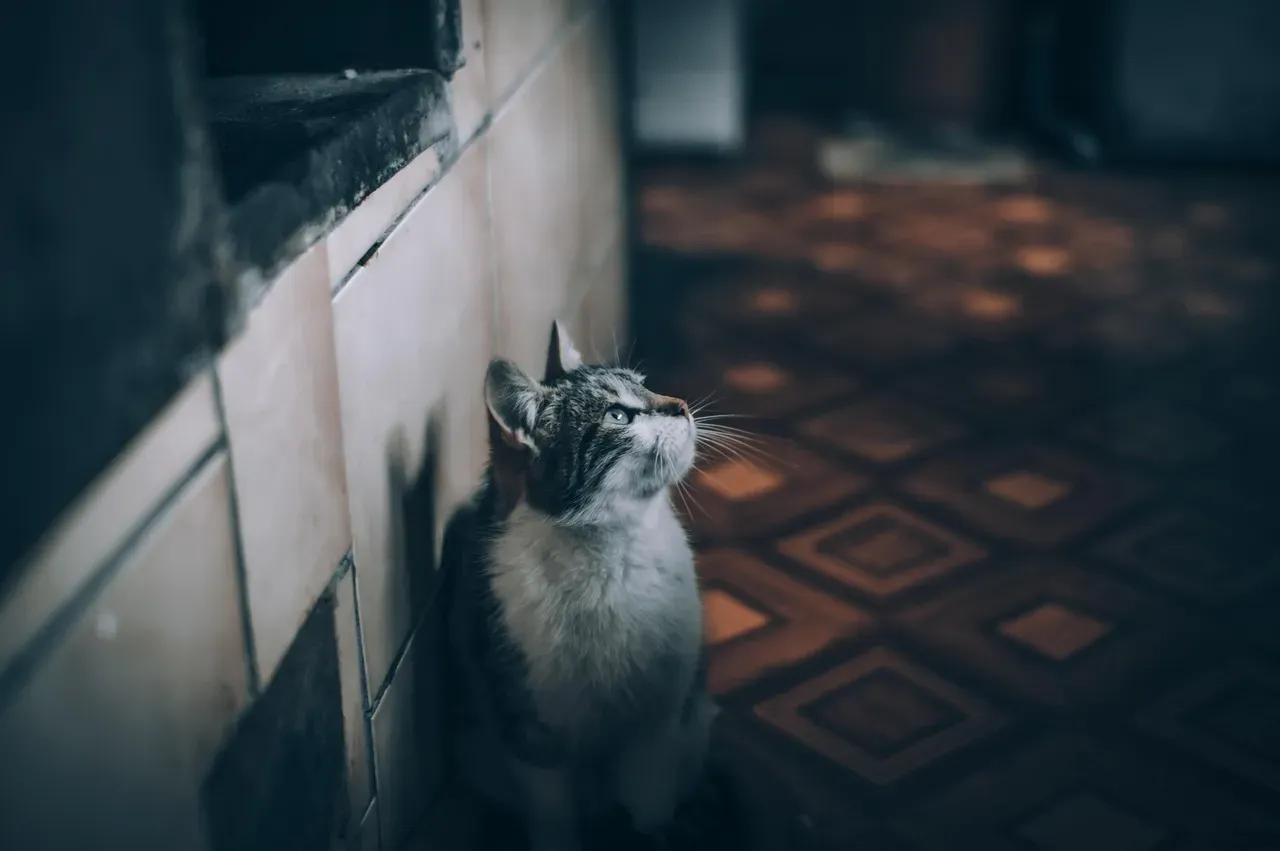
Contrary to popular belief, cats aren’t nocturnal – they are crepuscular, meaning they’re most active around dawn and dusk. This sleeping pattern is due to their hunting instinct, which evolved so that they would be awake when their prey is at its most active. This is the real reason your cat may be eerily alert at five in the morning while you’re barely conscious.
This evolutionary adaptation developed to optimize their hunting success while minimizing their exposure to larger predators. Their internal clock is programmed to align with the times when their natural prey, such as mice and small birds, are most active. So when your cat stares at the wall at 5:30 a.m., they’re not having an existential crisis. They’re just on schedule.
The Two Types of Feline Sleep and What They Mean
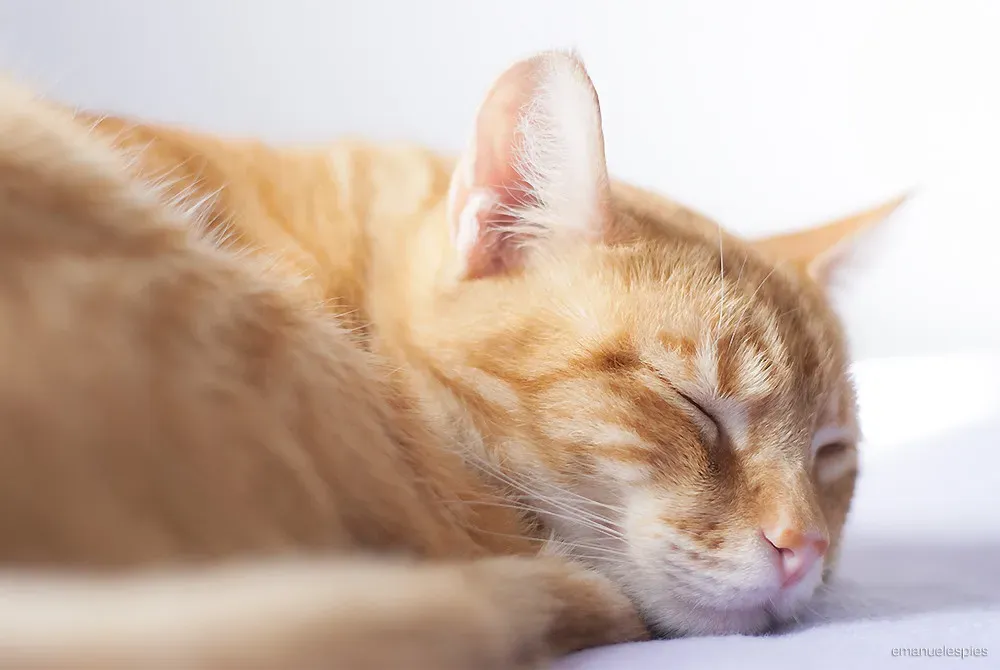
About three-fourths of a cat’s sleep is a shallow, almost-waking rest called slow-wave sleep. The other one-fourth of the time, cats really are out of it, sleeping deeply and often reaching REM sleep. These two modes serve very different purposes and alternate in ways that look nothing like human sleep.
Unlike humans, who have longer sleep cycles, cats experience shorter cycles lasting about 22 minutes. Within this brief period, they transition through light sleep and REM sleep quickly. This pattern allows them to be alert and responsive to environmental changes, an evolutionary trait crucial for survival. Rapid transitions between sleep stages enable cats to conserve energy while remaining ready to react to potential threats. It’s a remarkably efficient system when you think about it.
The Polyphasic Pattern: Many Naps, One Strategy
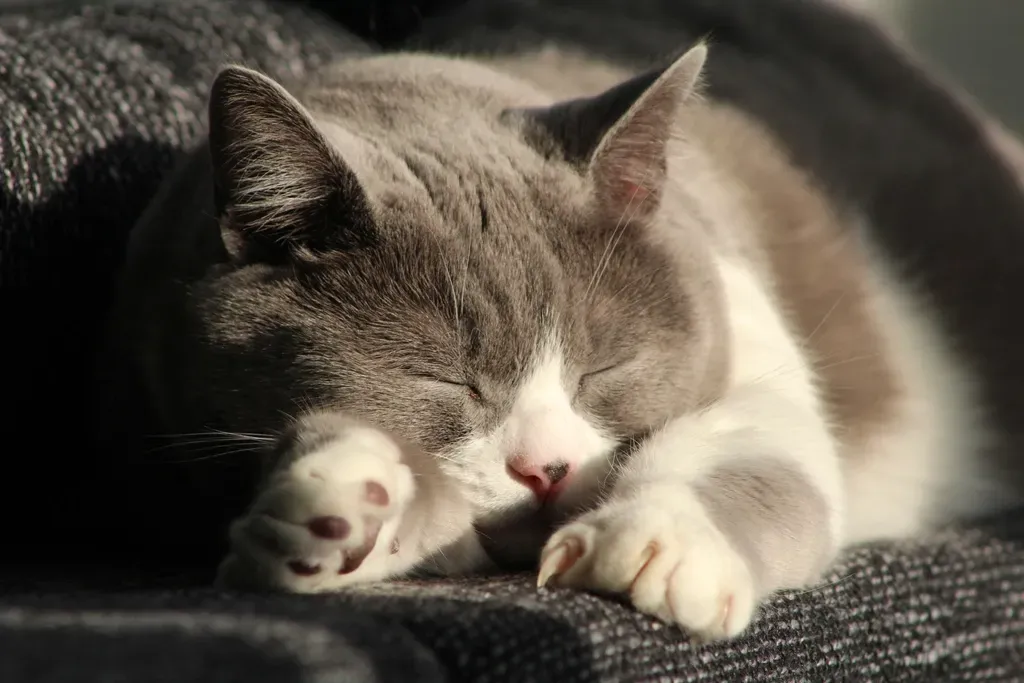
Cats follow a polyphasic sleep pattern, meaning they have multiple periods of sleep throughout a 24-hour day. It’s believed that cats don’t really sleep for long stretches. Rather, they take frequent catnaps that last 15 to 30 minutes. These catnaps allow felines to still react quickly to potential threats in their environment.
In the wild, a cat’s sleep is often interrupted by the need to hunt or defend territory. As a result, domestic cats have adapted to sleep in multiple short bursts throughout the day, a pattern known as polyphasic sleep. This adaptation ensures that they are well-rested and ready for action at a moment’s notice. Even when they look utterly boneless and unconscious on your couch, part of them is still paying attention.
Do Cats Dream? What REM Sleep Reveals
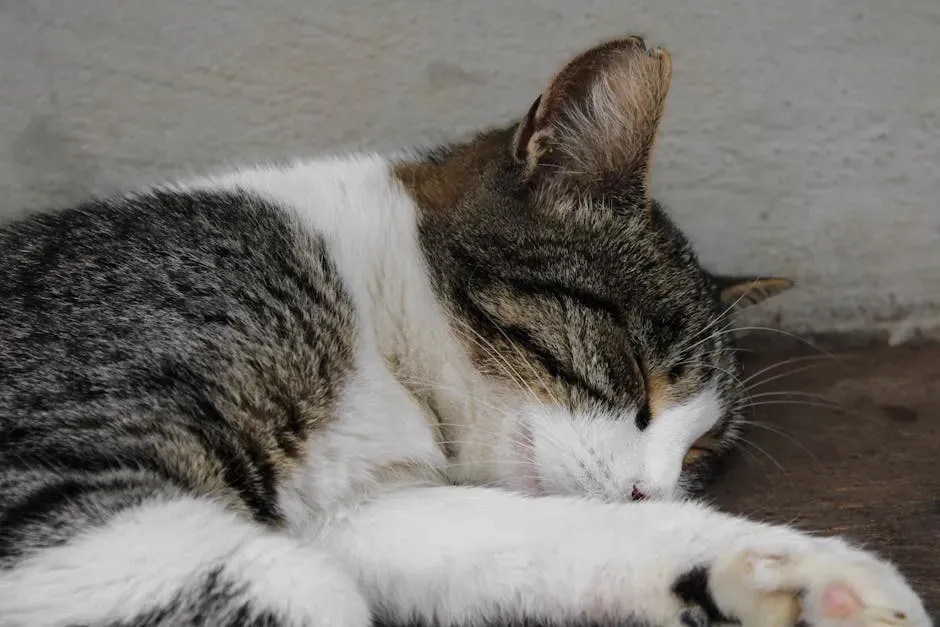
Cats, like humans, experience REM sleep, during which dreaming occurs. This stage occupies about a quarter of their sleep time and is characterized by rapid eye movement, twitching, and occasional vocalizations. Dreaming in cats reflects complex brain activity and is thought to play a role in processing experiences and memories. That twitching paw you find so adorable has actual neurological weight behind it.
If it looks like they are dreaming when their paws tremble, it is because they probably are dreaming. This deep sleep usually comes in five-minute increments that are broken up by dozing. The brain activity during these brief deep windows is remarkably similar to what happens in sleeping humans, which suggests cats are doing far more cognitive processing during rest than their relaxed exteriors let on.
Age Changes Everything: Kittens, Adults, and Senior Cats
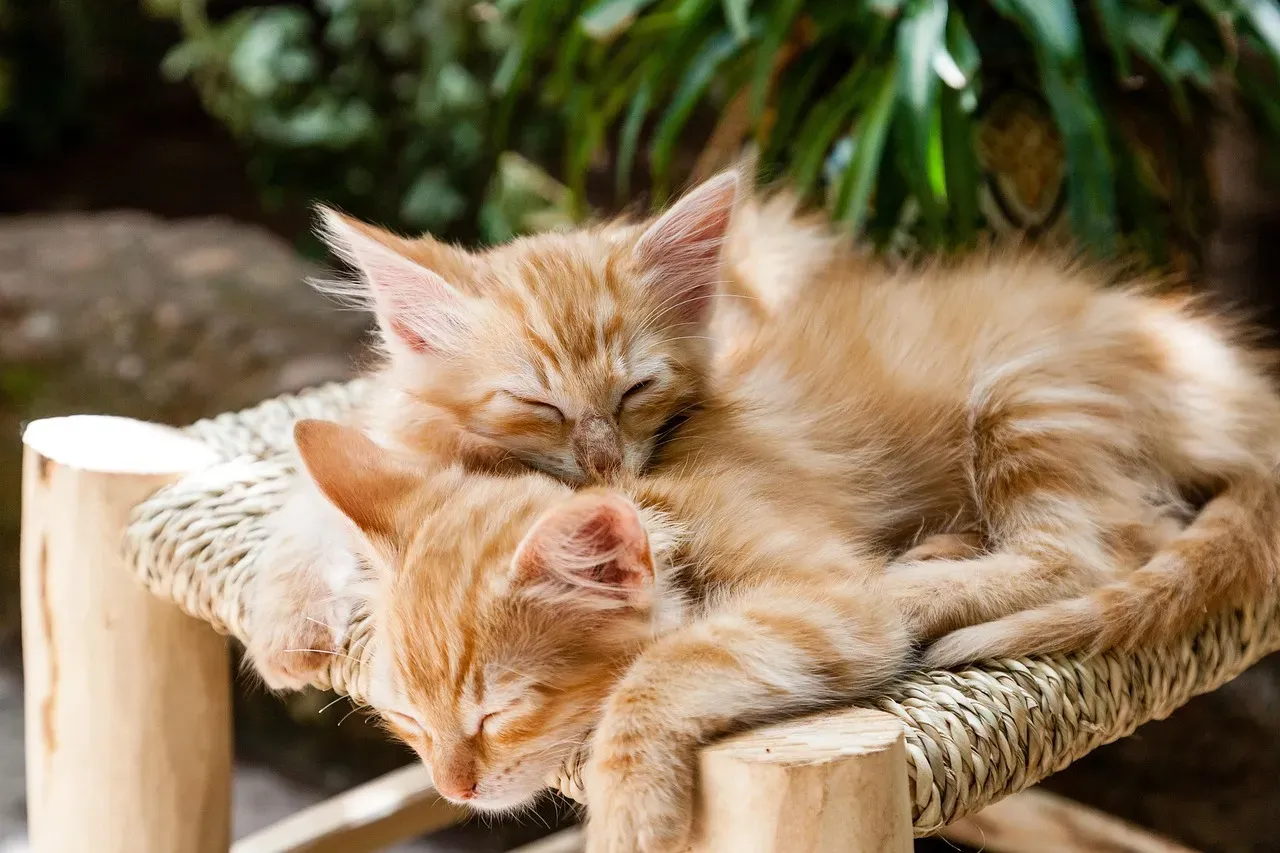
Kittens tend to sleep more than the average cat, and approximately 90 percent of kittenhood is spent snoozing. This is because they need to constantly recharge their batteries as their brain and central nervous system is still developing. This time spent sleeping also strengthens their muscles and bones and keeps their immune system functioning. Sleep at that stage isn’t rest in any casual sense. It’s construction.
It’s not just kittens that spend a lot of time sleeping, but senior cats snooze a lot too, usually up to 20 hours a day. This increased amount of sleep is because, just like with humans, when cats get older they tire more quickly. However, if this change has come on suddenly, it’s best to seek advice from your vet. A gradual increase over time is generally normal; a sudden shift is worth a conversation with a professional.
When Sleep Signals Something Else: Health and Stress
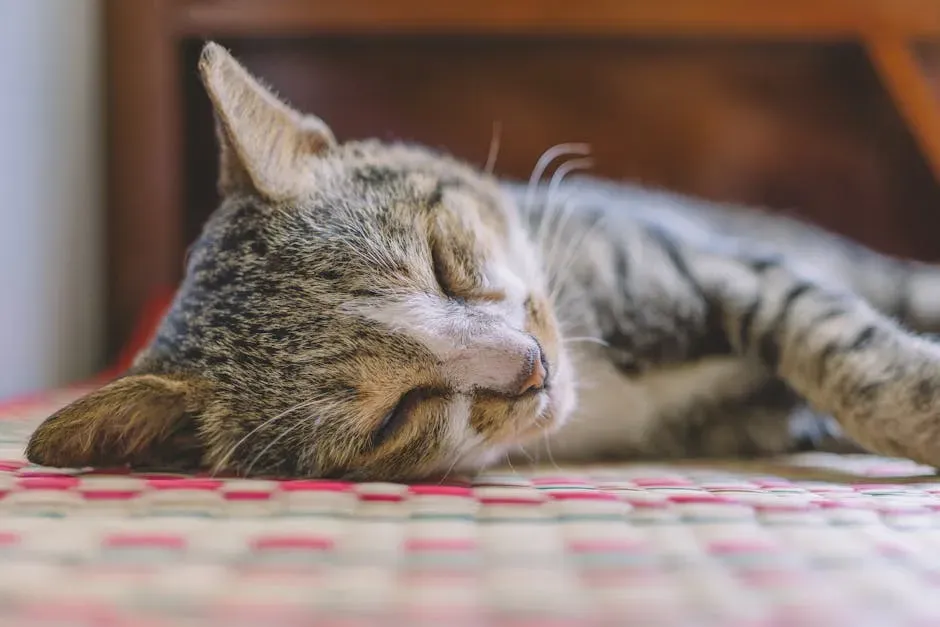
As with humans, cats are affected by stress. One way cats express stress or anxiety is by changing their sleep patterns. If they’re suddenly sleeping more than usual, it could be a sign they’re feeling overwhelmed or anxious about something in their environment. Cats can become stressed or anxious for many reasons, such as when new family members come into the house or if feeding times change. Sleep is one of the first places these shifts tend to show up.
Some health conditions can cause a cat’s normal sleep patterns to change, including hyperthyroidism, high blood pressure, anxiety, stress, and pain. If you have a senior cat, they can develop cognitive dysfunction, similar to dementia in people, which can also create a disrupted sleep cycle. Knowing your cat’s personal baseline makes it much easier to catch these signals early rather than dismissing them as normal laziness.
How Environment and Routine Shape Your Cat’s Rest
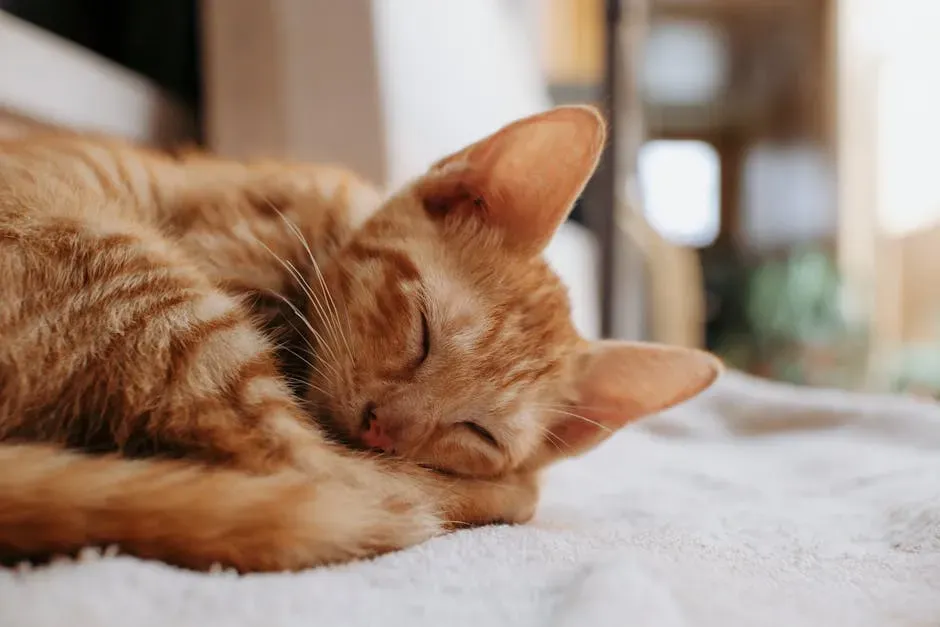
There is some evidence suggesting humans may impact when their cats sleep. One study from Italy’s University of Messina gained insights after attaching trackers to domestic felines, finding that cats in smaller homes somewhat mirrored their owners’ sleeping patterns and were more likely to be awake at times their owners frequently interacted with them. Your habits, it turns out, quietly reshape theirs over time.
While cats naturally sleep a lot, their environment can influence the quality of their rest. Providing comfortable sleeping spots at various heights and temperatures allows cats to choose the perfect resting place based on their current needs. Environmental enrichment through toys, climbing structures, and interactive play sessions helps ensure cats get enough physical and mental stimulation when awake, leading to better quality sleep during rest periods. The quality of those waking hours genuinely feeds back into better, more restorative sleep.
Conclusion
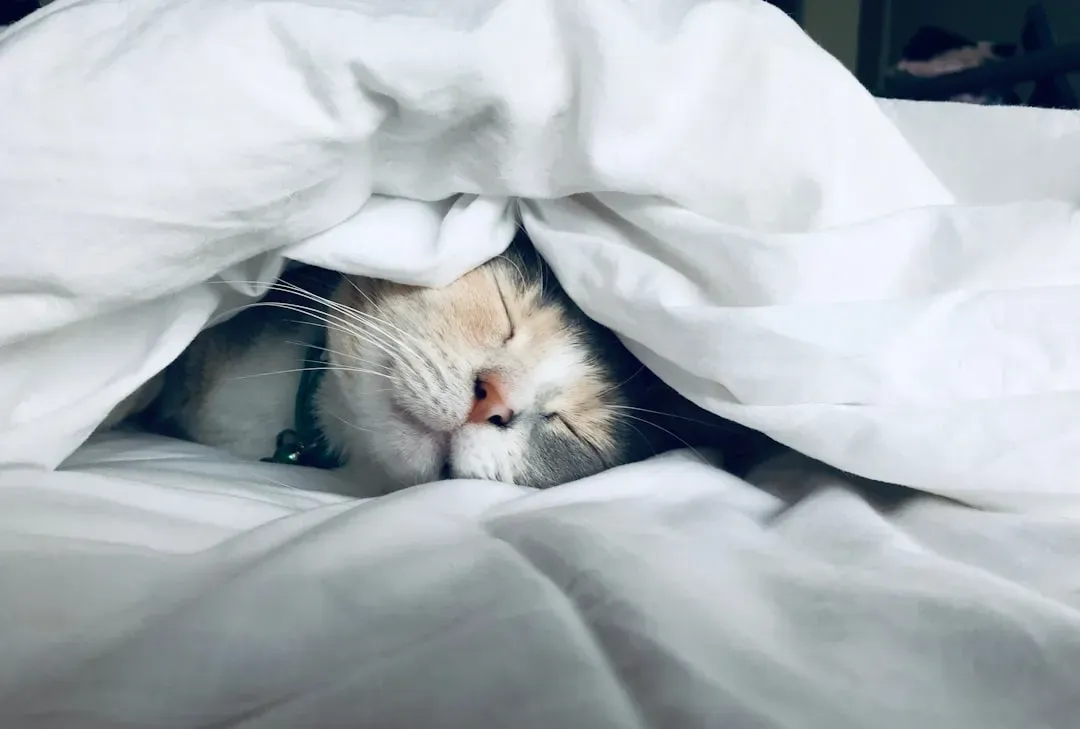
Your cat’s many snoozes aren’t a personality quirk or a sign of indifference toward you. They’re the product of millions of years of biological fine-tuning that produced one of nature’s most effective rest-and-recover systems. Every nap is a small act of preparation, whether for a sprint across the hallway or simply for the business of staying healthy.
Understanding what drives feline sleep changes how you see your cat’s whole day. The long, drowsy stretches on the windowsill and the sudden bursts of nighttime energy are two sides of the same coin. Work with that rhythm rather than against it, and you’ll find life with a cat feels a lot less mysterious and a lot more like a mutual arrangement that’s been working just fine for a very long time.
Kristina is a young writer from India. An arts graduate and an avid content creator, Kristina is passionate about animals and wildlife. She enjoys exploring topics related to pet care, animal behavior, conservation, and nature, combining thorough research with engaging storytelling.