Most cats have a reputation for mystery and silence. They observe, they blink slowly, and they move through your home like little furry ghosts. Yet some breeds completely rewrite that story. They greet you at the door with commentary, follow you from room to room providing a running update, and seem genuinely offended if you don’t respond.
Why some cats love human conversation often comes down to temperament and social bonding. Certain breeds are more people-focused and emotionally aware, making them highly receptive to verbal interaction. They learn voice patterns, respond to tone, and often answer back, turning simple chatter into a shared experience. If you’ve ever wanted a feline companion who actually keeps the conversation going, these ten breeds are worth knowing well.
1. Siamese: The Cat That Always Has Something to Say
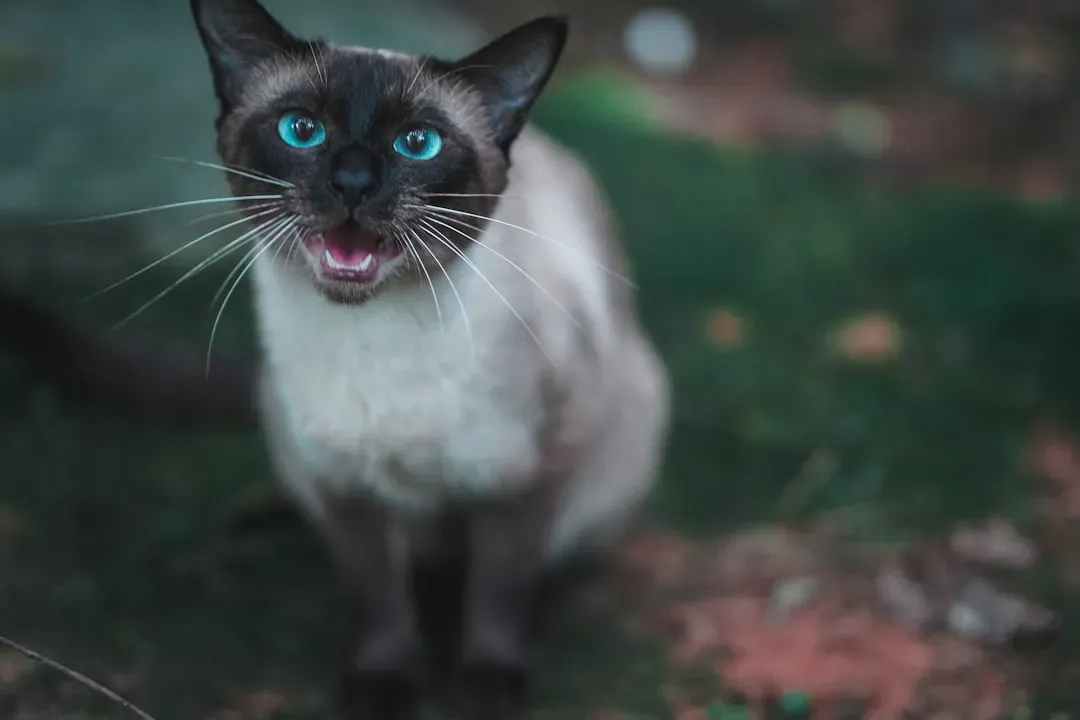
The Siamese cat is the most vocal of all cat breeds, renowned for its loud, low-pitched, and somewhat human-like meows. Siamese cats use their powerful voices to communicate various needs and desires, from requesting food to seeking attention or engaging in conversation with their human companions. You’ll quickly learn the difference between a mealtime meow and a “where have you been?” howl.
Siamese are extremely social cats, and their intense desire to bond with their humans is part of the reason for their chatty ways. This trait seems to be genetically linked, as almost all Siamese are big talkers. In addition to grabbing your attention vocally, the Siamese is notorious for enjoying close contact, climbing onto your lap or even crawling right up your body to wrap themselves around your shoulders like a living shawl. Life with a Siamese is never quiet, and most owners wouldn’t have it any other way.
2. Oriental Shorthair: Loud, Proud, and Never Off-Topic
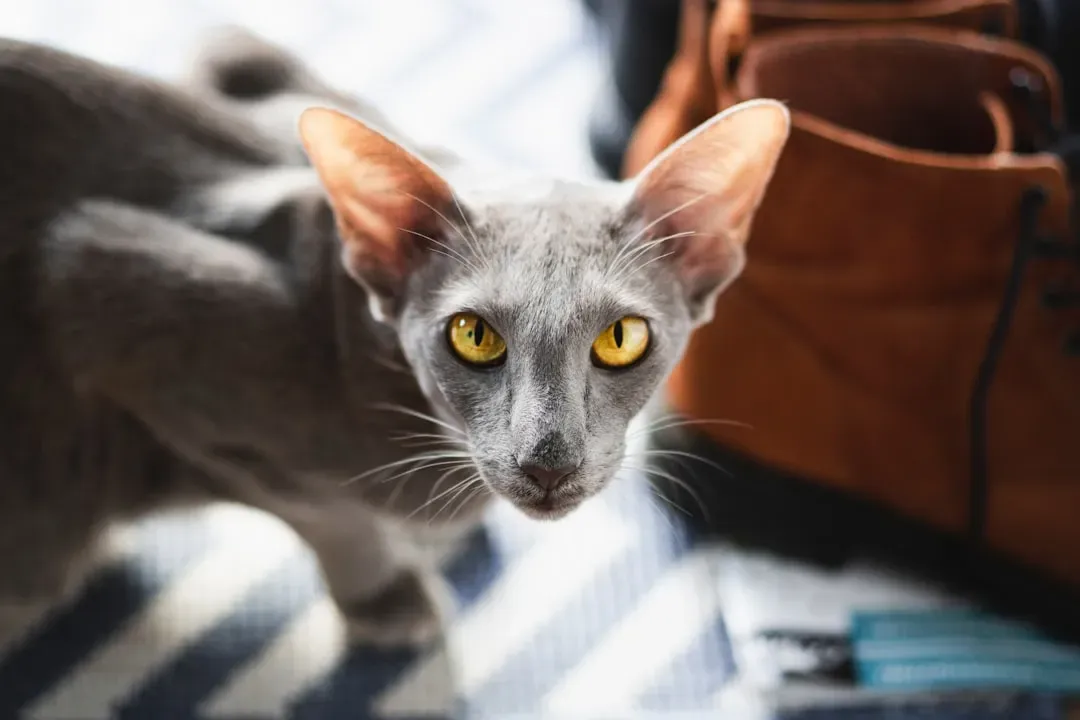
The Oriental was developed from the Siamese by British breeders after World War II. Knowing that the Oriental is essentially a Siamese cat in different colors, it shouldn’t surprise you that this breed is also one of the most vocal. Like the Siamese, the Oriental is affectionate, intelligent, and endlessly curious. You can expect them to weigh in on pretty much everything happening in your household.
Oriental cats, closely related to the Siamese, share their cousins’ vocal tendencies but have their unique twist. Orientals are highly articulated and expressive, using a range of sounds from meows to chirps to communicate with their human companions. They are known to be quite insistent and can carry on lengthy “conversations” with their owners. This cat is called the Rainbow Cat because the breed comes in more than 300 colors and patterns. The Oriental is loud and proud and can purr like a Mack truck.
3. Maine Coon: The Gentle Giant With a Lot to Chirp About
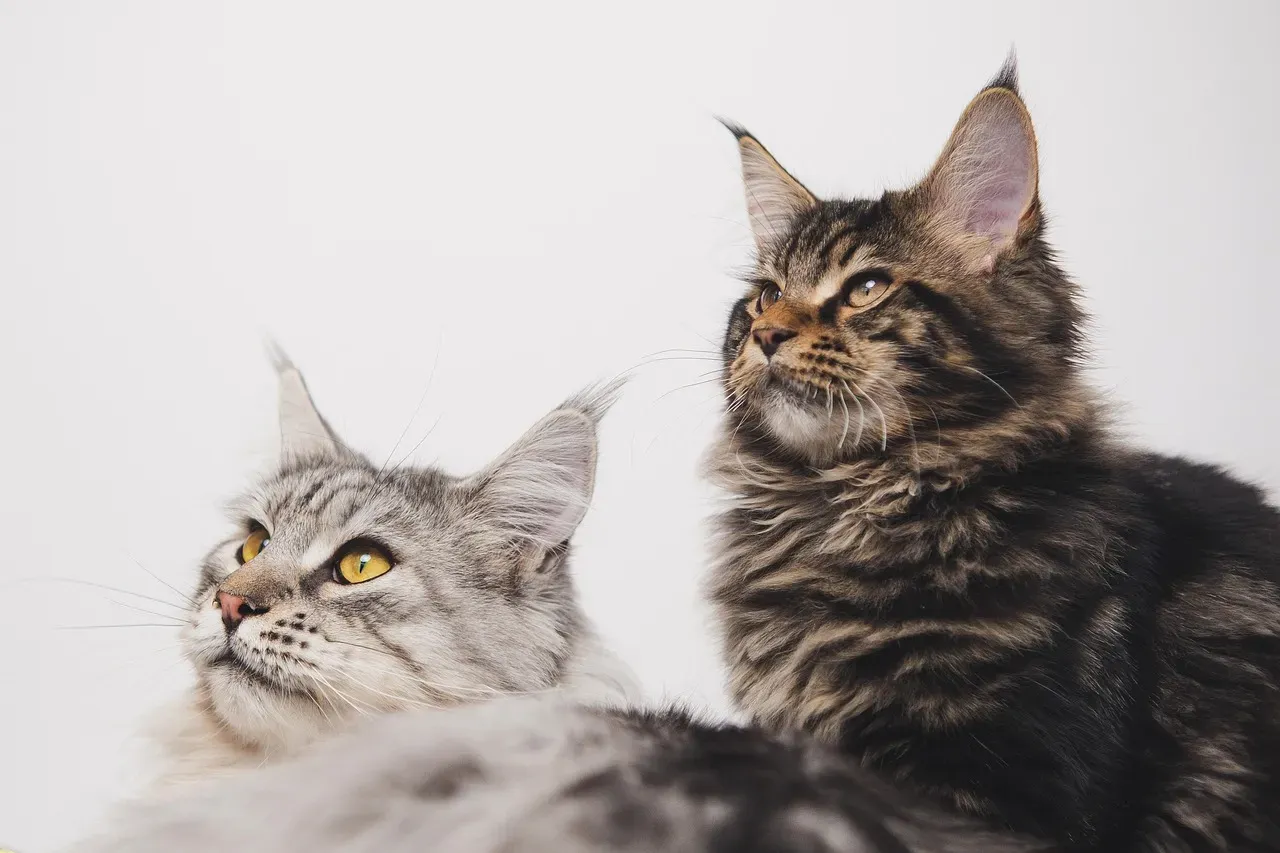
Nicknamed the “Gentle Giant,” the Maine Coon is quite chatty to his favorite people. But his vocals are not thunderous meows so much as melodic chirps and trills. It’s almost as if the Maine Coon speaks in questions, with the inflection rising at the end of each trill. That curiously upward lilt is oddly endearing, especially when you’re trying to have a conversation back.
Despite their large size, Maine Coons have a surprisingly soft and melodious voice. They are known for their chirps and trills, using these sounds to interact with their owners. They tend to be less demanding than other vocal breeds but enjoy a good chat. The Maine Coon is friends with the family dog, children and other cats and enjoys acting goofy and clownish to win your attention and your affection.
4. Burmese: Sweet-Voiced and Always Checking In
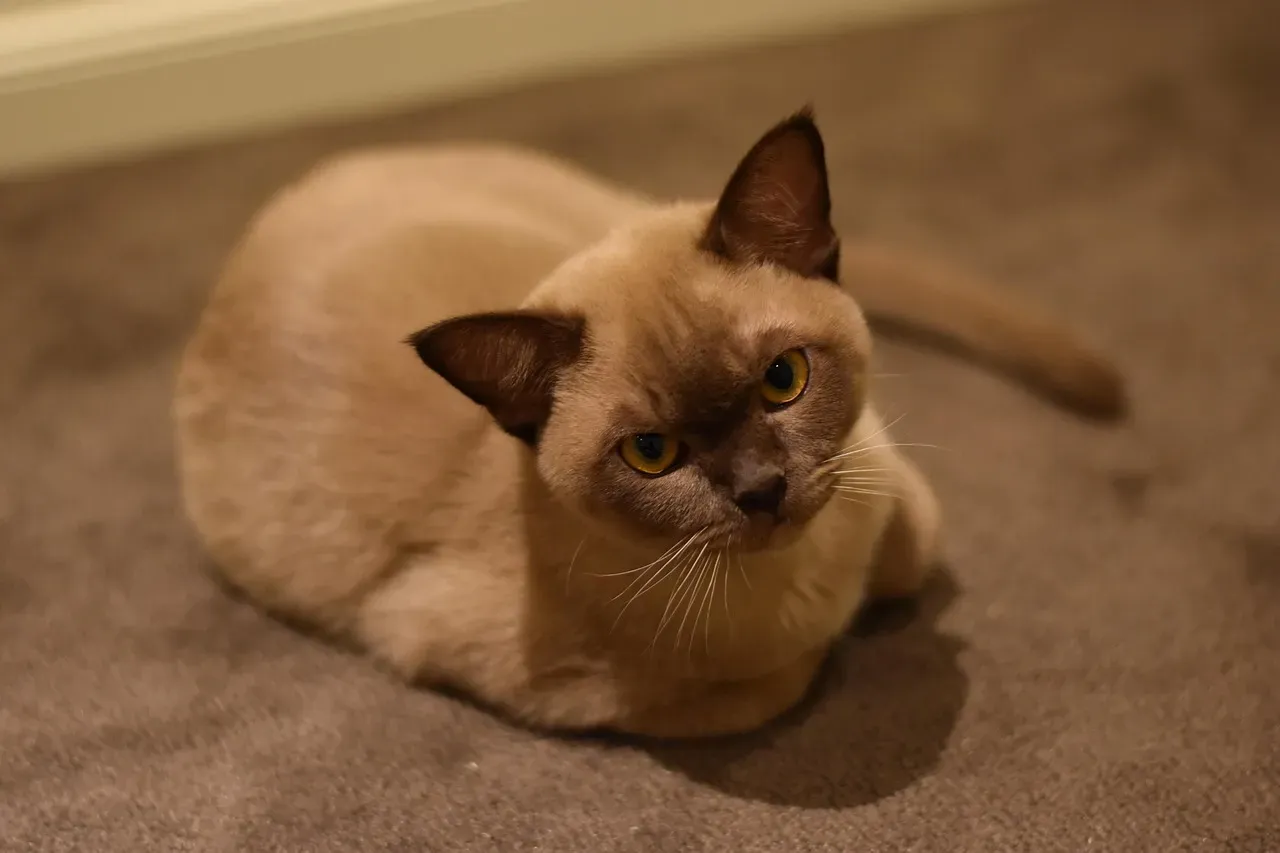
Burmese cats are known for their sweet, soft voices, which they frequently use to communicate with humans. Their vocalizations tend to be gentler and less demanding than some other breeds, often described as a series of soft murmurs and mews. Burmese cats are highly sociable and use their voices to strengthen the bond with their owners, seeking attention, companionship, and interaction. Their vocal behavior reflects their affectionate and people-oriented nature, making them excellent companions for those who value close bonds with their pets.
As one of the most family-oriented cats, the Burmese are particularly susceptible to loneliness. They cope best with families that spend a great deal of time at home, although they do get along with other Burmese or, if properly socialized, other cat breeds and dogs. These cats are more than happy to trail you around the house and poke their noses into whatever chores you need to do. Consider them your most affectionate shadow.
5. Balinese: The Softer Side of the Siamese
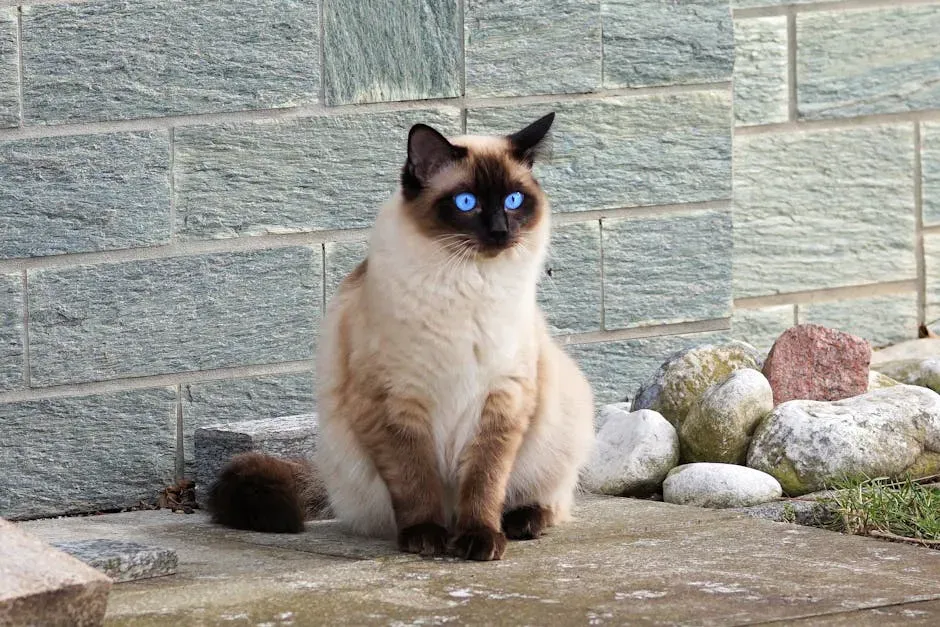
The Balinese is a vocal cat that enjoys talking with his family. They demand a lot of attention and get into mischief so should not be left alone for long periods of time. The Balinese is a vocal cat that enjoys conversing with you. Its voice is a bit quieter and softer than that of the Siamese and it is not quite as insistent as the Siamese. If you are looking for an interactive vocal cat, the graceful Balinese may well be just what you are searching for.
Due to their close ties with the Siamese, the Balinese are among the most vocal cats around. They share many of the same personality and appearance traits, from their coat color to their chatty, follow-you-everywhere natures. Balinese cats are also notorious for their intelligence, and they’ll even supervise your household chores. If you’re not fond of the loudness of the Siamese but don’t mind a chatty cat, the Balinese are talkative but not quite as noisy. It’s the best of both worlds, really.
6. Bengal: The Wildcat That Talks Back
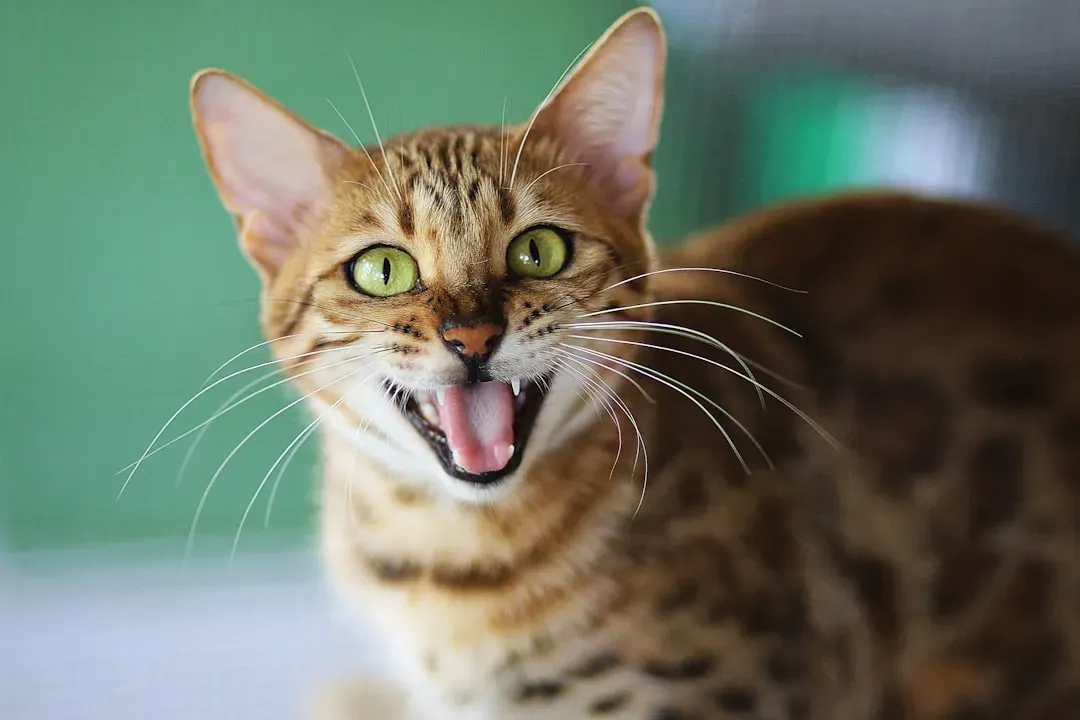
Bengals don’t just tolerate conversation, they participate in it. They respond to human voices with meows, chirps, and distinctive yowls, often answering back as if continuing a dialogue rather than making random noise. Their intelligence fuels this vocal interaction. Bengals quickly learn voice patterns and tones, using sound to express curiosity, excitement, or a desire for attention, making conversations feel purposeful and lively.
Bengal cats, with their exotic wildcat looks, also possess a wide range of vocalizations that reflect their energetic and inquisitive nature. Bengals communicate with various sounds, including coos, chirps, and loud meows, often using these to express interest or demand attention. Their vocalizations are a nod to their Asian leopard cat ancestry, giving them a unique sound that many describe as more “wild” than typical domestic cats. Owning one genuinely feels like sharing your home with something untamed, yet oddly devoted.
7. Sphynx: Hairless, Warm, and Endlessly Chatty
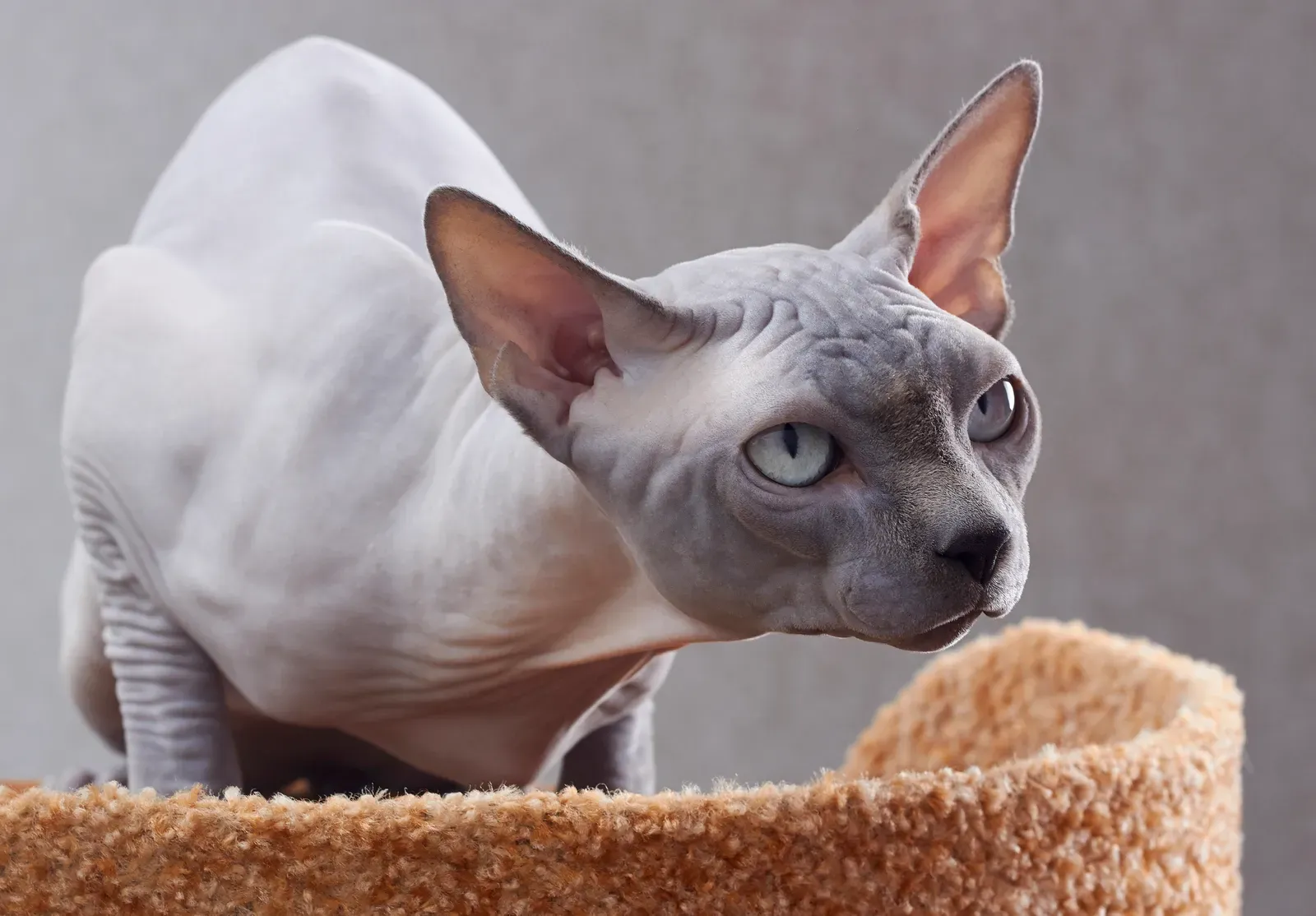
Sphynx cats are famously vocal, using raspy meows, chirps, trills, and even “singing” sounds to stay engaged with their humans. They don’t just tolerate conversation, they actively seek it out and respond with enthusiasm. Their love of being talked to comes from a strong need for companionship. Often called “Velcro cats,” Sphynx thrive on constant interaction and use vocalization as a way to stay emotionally connected.
In addition to their hairlessness, Sphynx cats also feature the trait of being a highly vocal breed. Their talkative nature is likely due to their intense desire for social interaction with their human family. Sphynx are known as “Velcro cats” because they stick close to your side always. Their meows, chirps, trills, and yowls are as delightful as their unique appearance. You quickly realize their lack of fur is the least interesting thing about them.
8. Tonkinese: The Conversationalist That Never Stops
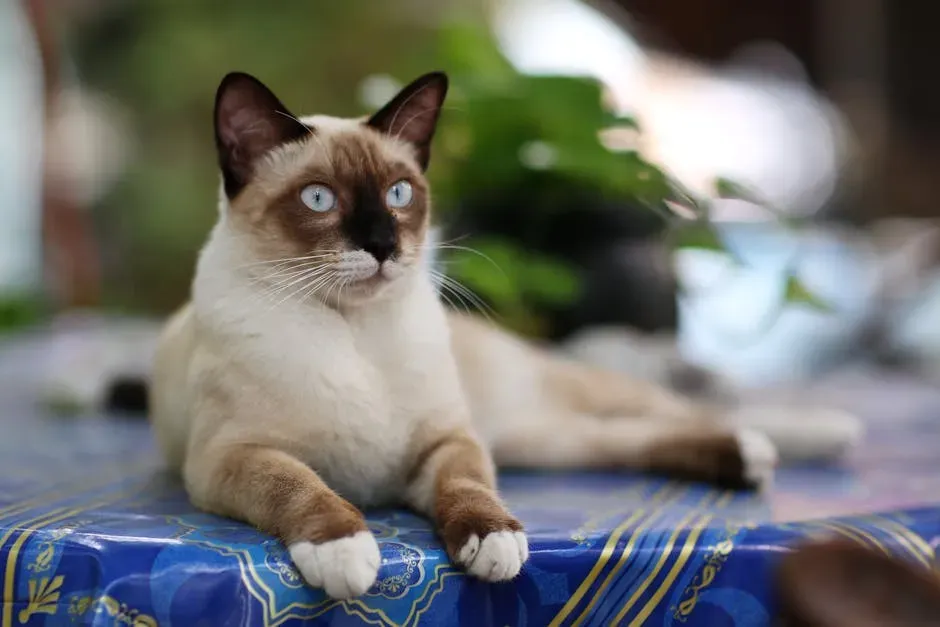
The Tonkinese is a combination of two vocal breeds, the Siamese and the Burmese, so it makes sense that the Tonkinese inherited a chatty nature. Like the parent breeds, Tonkinese are affectionate and people-oriented cats who love to be wherever you are. Charmingly, Tonkinese will almost always answer you if you speak directly to them, but they are capable of quiet moments too. The sweet Tonk uses several different sounds when talking to their people, including meowing, chirping, and trilling.
Unlike some breeds that keep a bit of distance, Tonkinese genuinely want to be included in whatever you’re doing. They inherited the Siamese love of conversation, but their voice is gentler and less demanding. Expect the occasional “commentary” on your activities or a soft meow when they want attention, but you won’t get the all-night opera some Siamese owners joke about. Whether playing fetch, greeting visitors at the door, or following you from room to room, Tonkinese cats narrate their experiences with cheerful commentary.
9. Japanese Bobtail: Sing-Song Meows and Melodic Charm
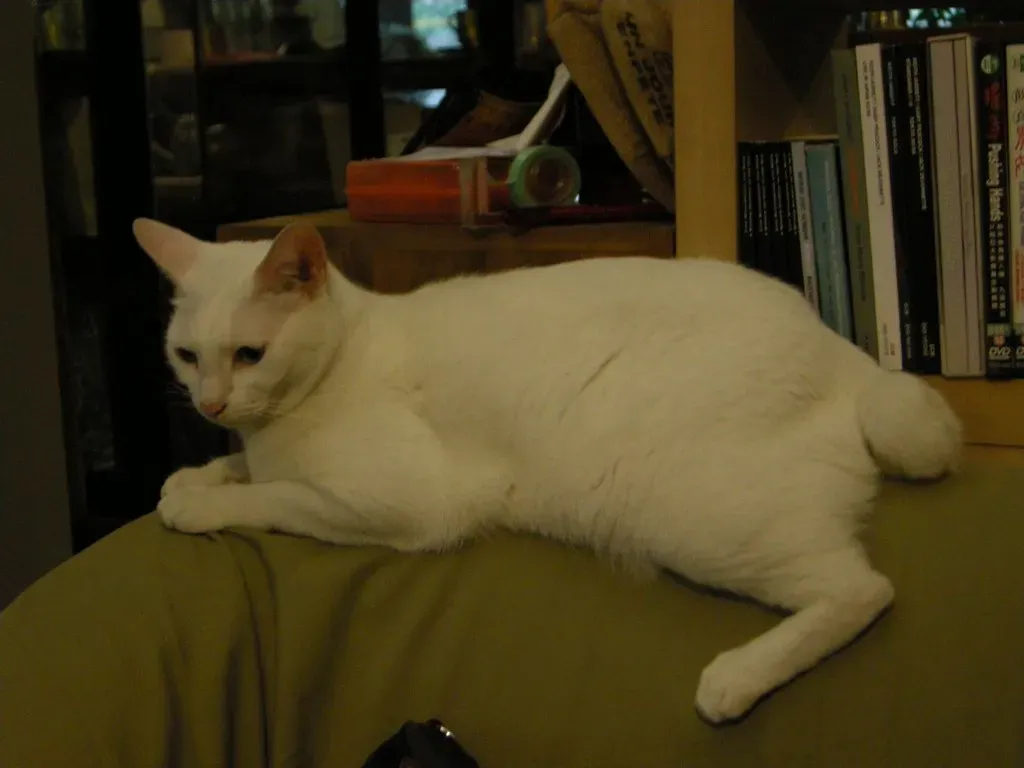
The Japanese Bobtail is famous for its expressive and melodic voice. Rather than loud, demanding yowls, Japanese Bobtails are known for producing a wide range of soft chirps, trills, and sing-song meows, often described as sounding like conversation. Many owners say their Bobtails appear to “talk back” when spoken to. This ancient breed developed naturally in Japan and has long been valued for its social, outgoing nature.
This ancient breed developed naturally in Japan and has long been valued for its social, outgoing nature. Japanese Bobtails thrive on interaction with their human families and often use their voices to stay involved in household activity. Friendly, intelligent, and highly communicative, the Japanese Bobtail is an ideal choice for anyone who enjoys a vocal cat with a cheerful personality. There’s something genuinely joyful about a cat that sounds like it’s singing when it talks to you.
10. Turkish Angora: The Elegant Talker With a Royal History

Sporting a royal heritage, the Turkish Angora hails from the mountains of Turkey and was treated regally by Louis XVI and Marie Antoinette before sailing to the United States. This longhaired cat is thought to be the originator of the longhair gene in domestic cats. His huge, almond-shaped eyes and tufted ears will charm you as he converses with you with plenty of happy talk. He can’t wait for you to host a party so he can do his meet-and-greet to everyone who attends.
The Turkish Angora is celebrated not only for its elegant appearance and silky coat but also for its engaging vocal personality. This breed tends to have a soft, melodious voice that they use to communicate with their humans, often in a surprisingly conversational manner. Turkish Angoras are known to be quite expressive, using a variety of chirps, trills, and meows to indicate their desires, whether it’s the need for attention, food, or simply the joy of interaction. Their vocalizations are typically gentle and charming, reflecting the breed’s sociable and affectionate nature. Owners of Turkish Angoras quickly learn to interpret the subtle nuances of their cat’s vocal expressions, deepening the bond between them.
Conclusion: Finding Your Perfect Feline Conversationalist
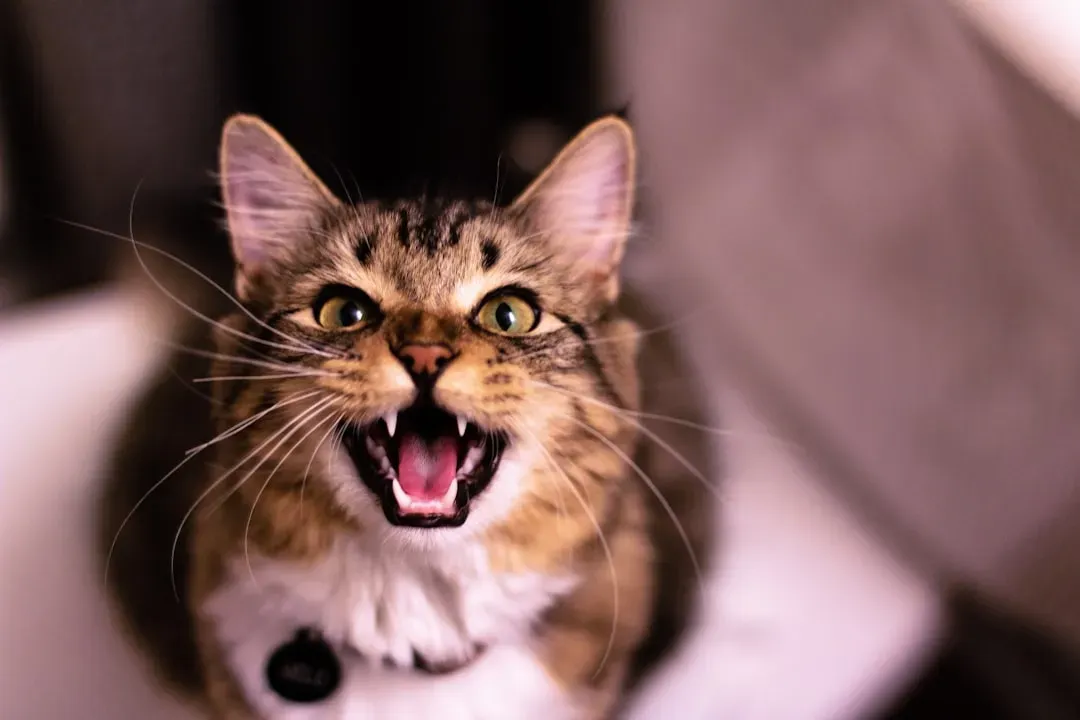
Whether you’re drawn to the bold declarations of a Siamese, the melodic chirps of a Maine Coon, or the soft musical check-ins of a Tonkinese, there’s a vocal breed to match nearly every personality and living situation. While every cat is unique, breed does play a large role in kitty personality traits, such as vocalizations and energy levels. It’s worth factoring that into your decision before you bring one home.
Sometimes, a change in how your cat talks can indicate something is wrong. If your normally talkative kitty suddenly has less to say or a quiet one begins vocalizing frequently, they could be dealing with a medical or emotional issue. Cats are good at hiding when sick or in pain, so we have to look for less obvious clues, including changes in their vocal nature. Staying tuned in to your cat’s voice isn’t just fun, it can be genuinely important for their wellbeing.
There’s something quietly remarkable about a cat that wants to tell you about its day. The breeds on this list don’t just coexist with you, they engage with you. And once you’ve lived with a truly conversational cat, the silence of a quiet home can feel surprisingly empty.
Kristina is a young writer from India. An arts graduate and an avid content creator, Kristina is passionate about animals and wildlife. She enjoys exploring topics related to pet care, animal behavior, conservation, and nature, combining thorough research with engaging storytelling.