You share your home with a creature that has been watching you. Closely. Every day. Your cat has studied your routines, catalogued your quirks, and formed what can only be described as very strong opinions about the way you live your life. You think you’re the one doing the observing, but the evidence suggests otherwise.
Some experts have gone as far as to say that cats perceive humans as big, clumsy cats, and cat behaviorist John Bradshaw has hypothesized that cats don’t really understand us the way dogs do. From your cat’s perspective, you’re basically a large, hairless housemate who makes a lot of unnecessary noise, wastes enormous amounts of time sleeping wrong, and keeps talking to strange glowing rectangles. Here are twelve perfectly ordinary human habits your cat almost certainly finds baffling, undignified, and, in their quiet feline way, utterly hilarious.
1. Sneezing Like the World Is Ending

You probably don’t give your sneezes much thought. Your cat, on the other hand, gives them all the thought. Because of cats’ sensitive ears and predisposition to run away in frightening situations, sneezes are quite an experience for your kitty. Whenever you sneeze, the muscles in their middle ear contract, which lessens the sound emissions to protect their inner ear.
Cats sometimes meow or vocalize in return when people sneeze because they’re annoyed or startled, but they frequently do it just as a way of acknowledging their human’s situation. There is a good chance that this was a learned behavior reinforced by their owner’s attention right after their meow or vocalization. Whether your cat is registering disapproval, social concern, or sheer confusion, one thing is certain: you have just violated the peace and quiet of their afternoon, and they have noted it.
2. Talking to Your Phone When Nobody Else Is in the Room
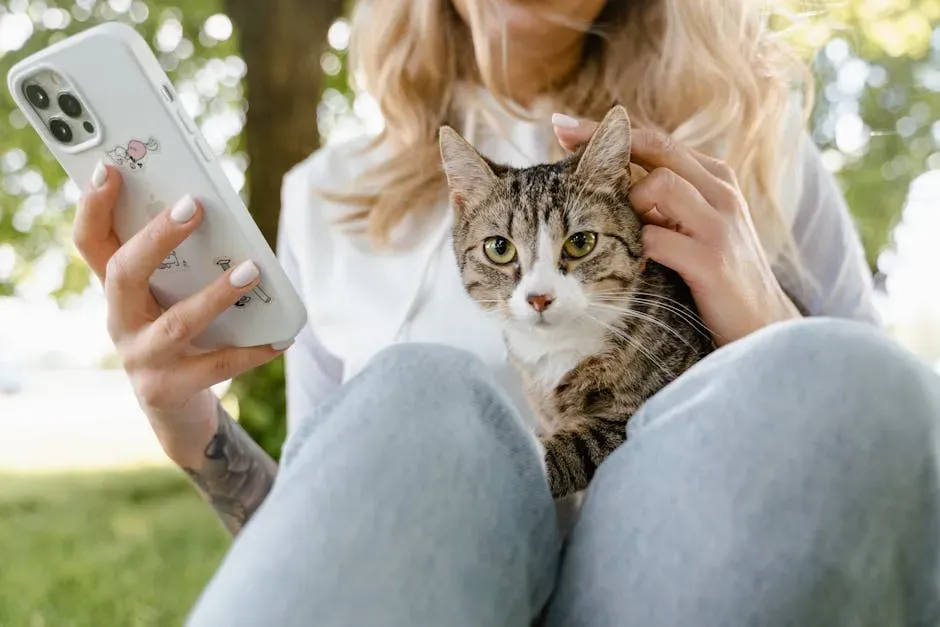
Cats don’t understand phones. If you’re talking out loud, they assume you’re talking to them. Your undivided attention is a valuable resource that they want to guard. So naturally, when you pick up your phone and start chatting animatedly into thin air, your cat tilts their head, squints, and wonders what on earth is happening.
A cat’s acute sense of hearing allows them to hear subtle sounds, including a weird disembodied voice coming from your cell phone. While your cat might recognize some voices, it’s not likely they’ll understand the concept of long-distance communication. From their vantage point, you’ve started talking to yourself and a tiny invisible stranger has started talking back. No wonder they come over to investigate.
3. Sleeping for Hours and Then Complaining About Being Tired
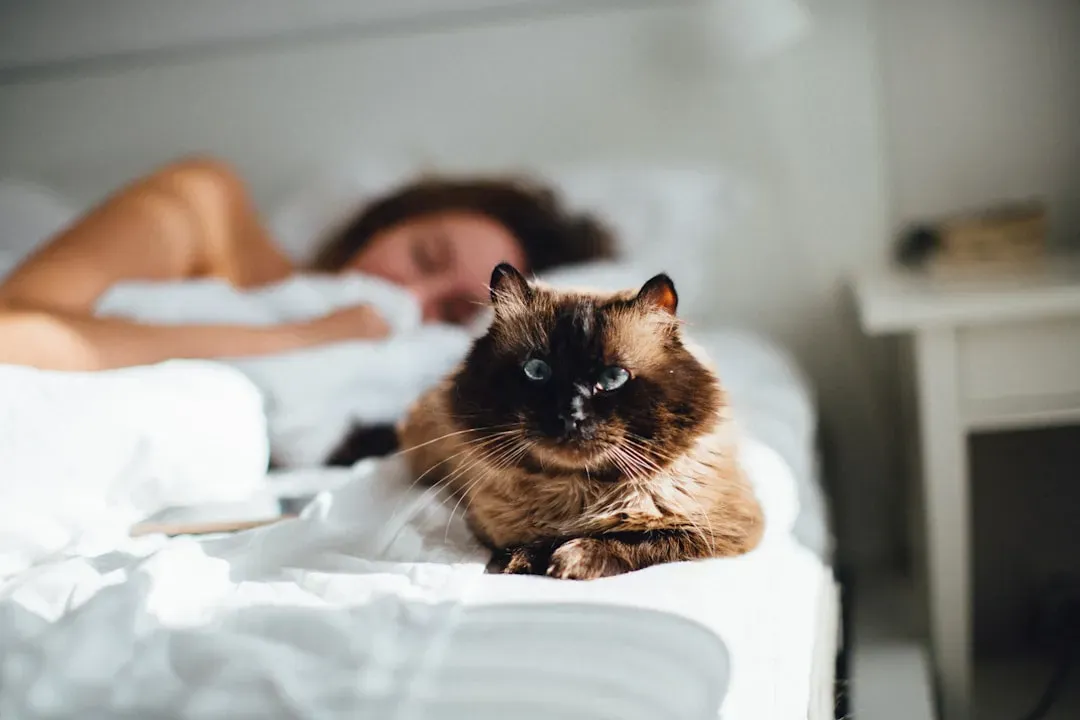
Since cats are crepuscular, it’s natural that they will be more active at twilight, around dawn or dusk. Since we’re often not home during the day, they spend a lot of that time sleeping. So your cat watches you sleep for a solid eight hours, drag yourself out of bed, and then announce that you’re exhausted. To a creature who naps in efficient bursts spread across the entire day, this makes very little sense.
Humans have created environments where we can sleep safely for long periods of time without predators around, which is foreign to cats and other animals. Your long, single-block sleep schedule strikes your cat as deeply inefficient. They’ve already been awake, observed the street, had a snack, and completed a full grooming session by the time you’ve hit snooze for the third time.
4. Knocking Things Off the Counter and Getting Annoyed When They Do It
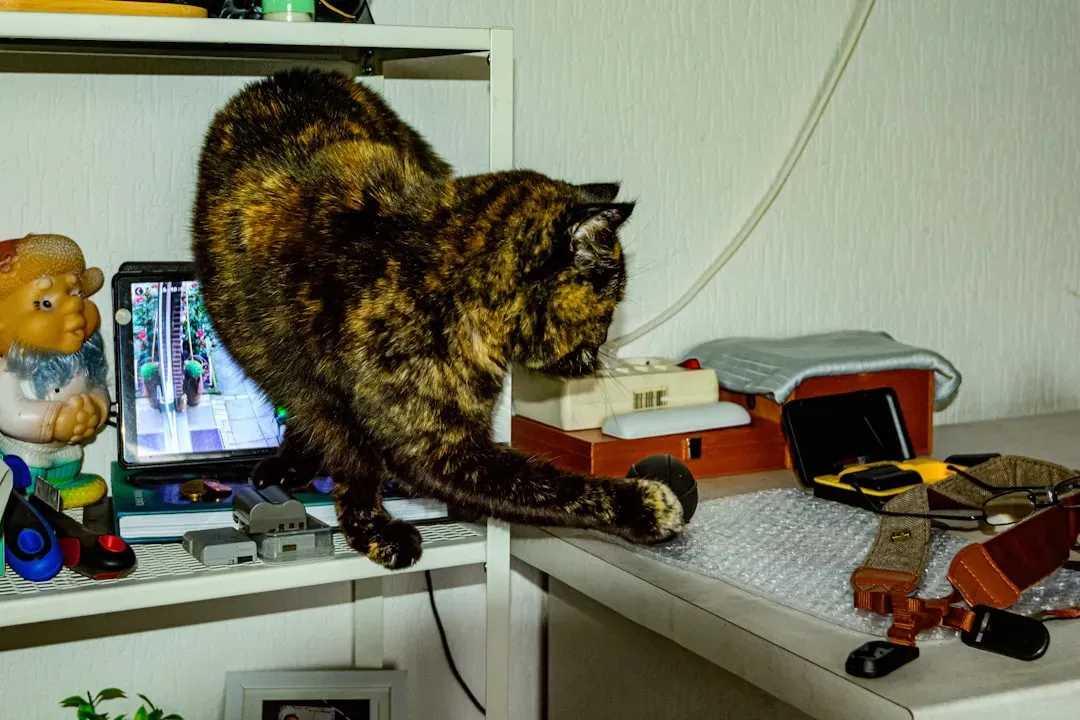
You’ve probably scolded your cat for sweeping your pen or glass off the table. What your cat quietly finds amusing is that you do the exact same thing, just accidentally and with a lot more fuss. Cats knock things off tables for several different reasons, including curiosity, hunting instincts, play, sensory interest, and attention-seeking. At least their reasoning is deliberate.
Cats are incredibly adept at recognizing patterns of cause and effect, particularly when it comes to soliciting attention. If knocking something off a table prompted you to rush into the room, make eye contact, and speak to them even negatively, they’ve learned a powerful lesson about how to get your attention. Animal behaviorists have documented that cats quickly learn which actions generate the most dramatic human responses. Your cat has turned your reaction into a perfectly reliable game, and you keep playing it.
5. Staring at a Glowing Screen for Hours Without Moving
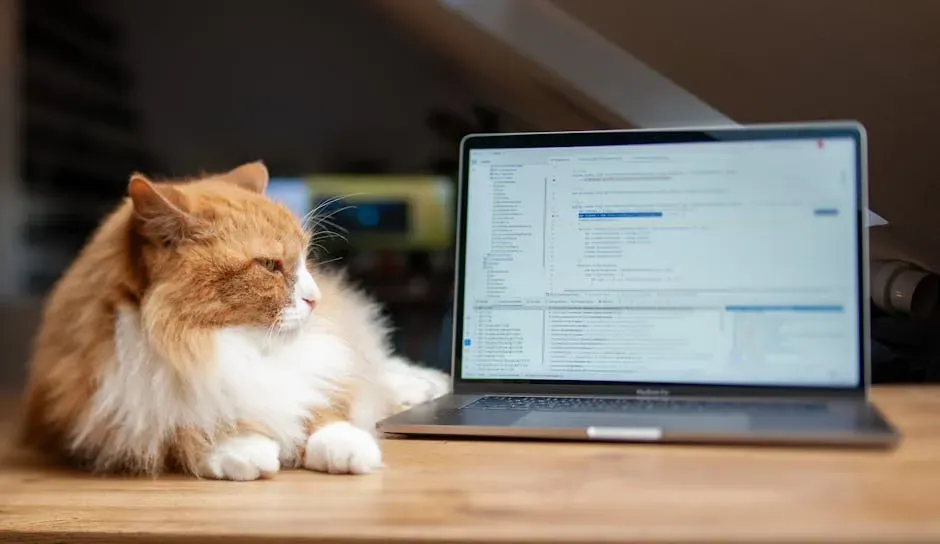
You spend a significant portion of your day completely motionless, eyes glazed, staring at a bright rectangle. Your cat finds this almost as baffling as you find their habit of staring at blank walls. When your cat stares at you while you’re doing something unusual, like folding laundry, working on a laptop, or talking on the phone, they may simply be trying to understand what’s happening. Unlike humans, they don’t have a framework for most of what we do. They interpret actions through movement, sound, and repetition. If something doesn’t fit their expectations, they watch until it makes sense or until they decide it’s irrelevant.
Motion and sound on a bright screen trigger visual attention in cats; controller movement or hand gestures add tactile and social interest. If the activity diverts your attention, your cat may interpret it as “human attention unavailable,” prompting approaches to demand interaction. The result is predictable: you sit completely still for two hours, and your cat sits on your keyboard to remind you that the living world still exists.
6. Sitting Down the Second They Vacate a Warm Spot

You’ve watched your cat carefully choose a spot, spend ten minutes getting comfortable, then get up and wander off. The moment you take that spot yourself, they’re back, staring at you with what can only be described as philosophical disappointment. Whenever some cat owners’ partners get up from the sofa, their cat immediately jumps into the spot where they have been sitting and rolls over on their back. It’s almost like a child taking someone else’s seat away from them as a laugh, and the cat seems to delight in taking the seat just before their human sits down.
The warm patch a human leaves behind is genuinely desirable from a feline comfort standpoint. Cats love to sleep on whatever object has captured their human’s attention. No matter how stiff, hard, or generally unwelcoming the surface, your cat is right there. The territorial logic is simple: if you want it, they want it more. And your reaction when you find them sprawled across your freshly vacated seat? Priceless, apparently.
7. Getting Startled by Them When They Were Clearly Right There
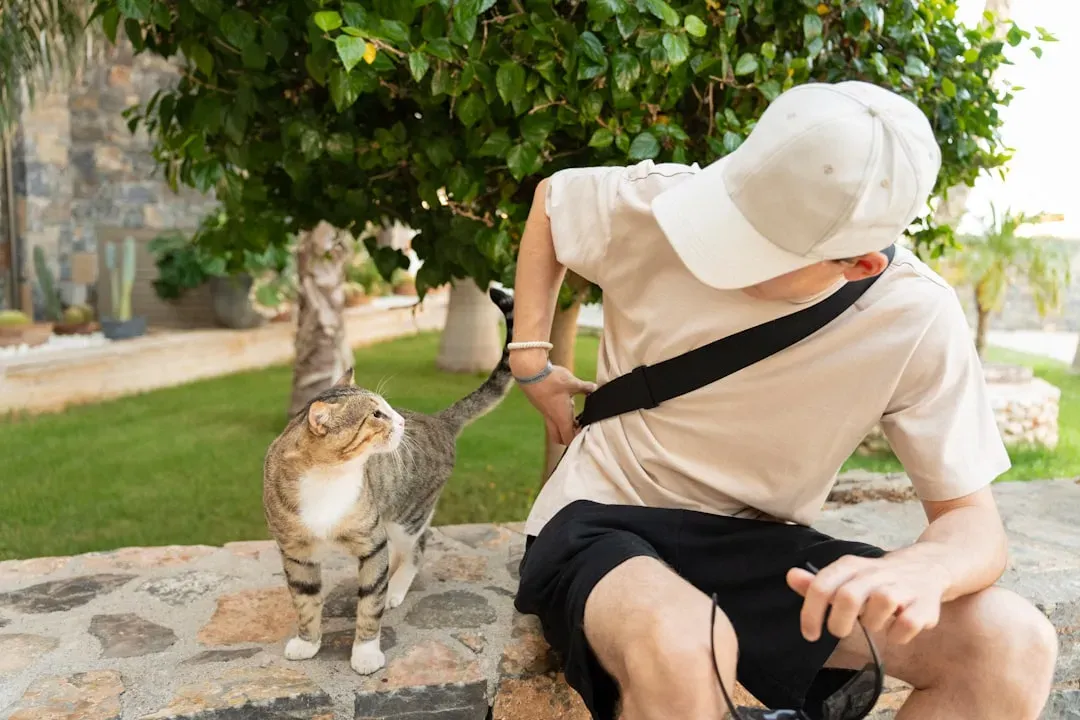
You turn around, see your cat sitting directly behind you, and yelp. Your cat watched you approach, watched you stop, and watched you fail to notice them entirely. Then they watched you completely lose your composure over their completely stationary presence. Cats obviously know we’re bigger than them, but they don’t seem to have adapted their social behavior much. Putting their tails up in the air, rubbing around our legs, and sitting beside us and grooming us are exactly what cats do to each other. They do think we’re clumsy: not many cats trip over people, but we trip over cats.
While cats may not understand humor as we do, they’re incredibly attuned to human emotions and reactions. Many cats learn that certain behaviors get positive responses from their owners, leading them to repeat these actions for attention or rewards. Being silently present and watching you trip over yourself requires essentially no effort from your cat. The payoff, from their perspective, seems excellent.
8. Making a Huge Production Out of Getting Out of Bed

Cats wake up and are immediately mobile, dignified, and ready to operate. You, by contrast, spend several minutes groaning, stretching dramatically, checking your phone, complaining, and shuffling to the kitchen in a way that telegraphs the full weight of your exhaustion. The phrase “cat nap” comes from cats’ habit of sleeping for short bursts over the course of the day. This is actually more common in nature. Your single prolonged sleep followed by a theatrical awakening ritual is, by comparison, strangely inefficient.
Your cat has likely been awake since before you, has already stretched quietly, and is now watching your morning routine from a comfortable perch with a calm, patient expression that carries just a trace of judgment. Cats seem to have an innate ability to choose the most dramatic or inappropriate moments to perform their routines. This isn’t actually intentional, it’s often related to their natural activity cycles and response to environmental stimuli. They’re not judging your mornings. Probably.
9. Practicing Elaborate Greetings for Other Humans

You shake hands, hug, wave enthusiastically, and make a series of loud, cheerful sounds whenever another human arrives at your home. Your cat observes this ritual from a safe distance and finds it bafflingly theatrical. Cats put their tails up in the air, rub around legs, and sit beside other cats to greet them, and they behave toward humans in a way that’s largely indistinguishable from how they would act toward other cats. A brief nose touch is, in their estimation, entirely sufficient.
When a cat approaches you and rubs their face from nose to ear on your leg, arm, or face, it means they like you and are happy to see you. Cats have scent glands in their faces. When they rub against you, it is an act of greeting and co-mingling scents with you. The whole handshaking and back-slapping routine, from a cat’s perspective, seems like a lot of unnecessary choreography to accomplish something a chin rub handles perfectly well.
10. Spending Money on Things They Immediately Ignore
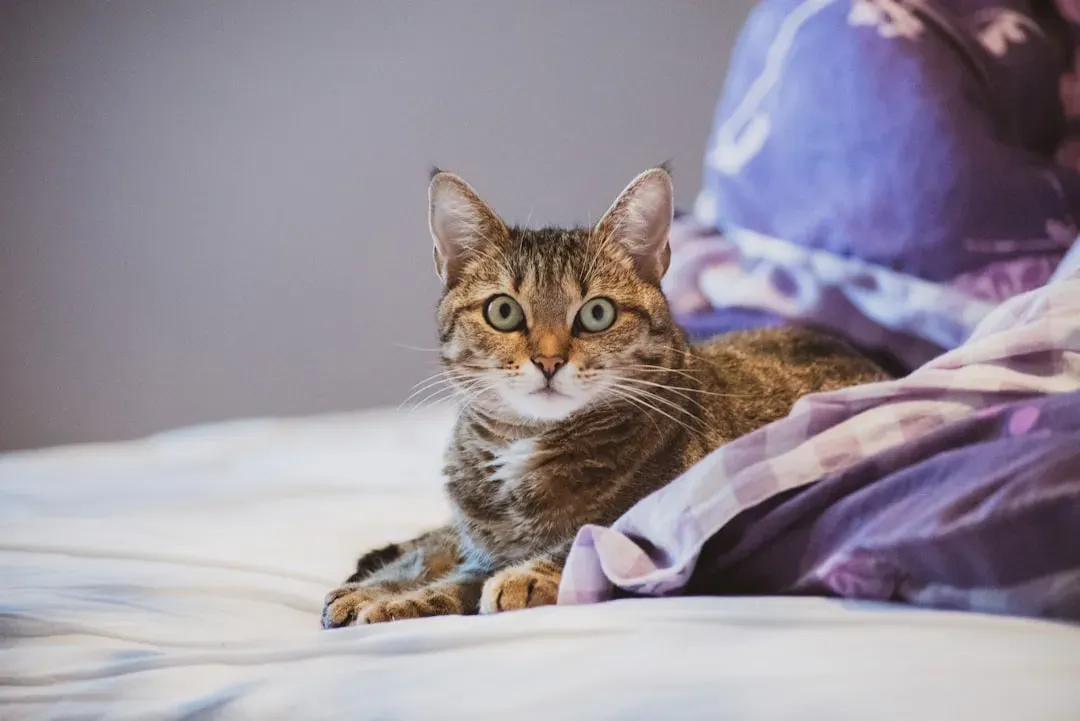
You bought the cat bed. It took careful research, cost real money, and has been sat in exactly once. When you first welcomed your cat into your home, you probably bought them a cozy cat bed. No matter how temptingly soft that bed may be, your cat would rather curl up on a decidedly uncomfortable pile of magazines. Or your computer keyboard. Or a bunch of leftover bubble wrap, even.
As predators, cats instinctively find hiding places from which to stalk prey. As prey themselves, they also appreciate defensive hiding spots to stay safe. More than that, the swaddling effect that comforts human babies also benefits cats. They can create this hugging benefit by squeezing into boxes to calm their stress. The expensive bed simply doesn’t offer the structural interest of a slightly too-small cardboard box. You will never fully understand this, and your cat is fine with that.
11. Exercising With Intense Effort and Then Immediately Eating
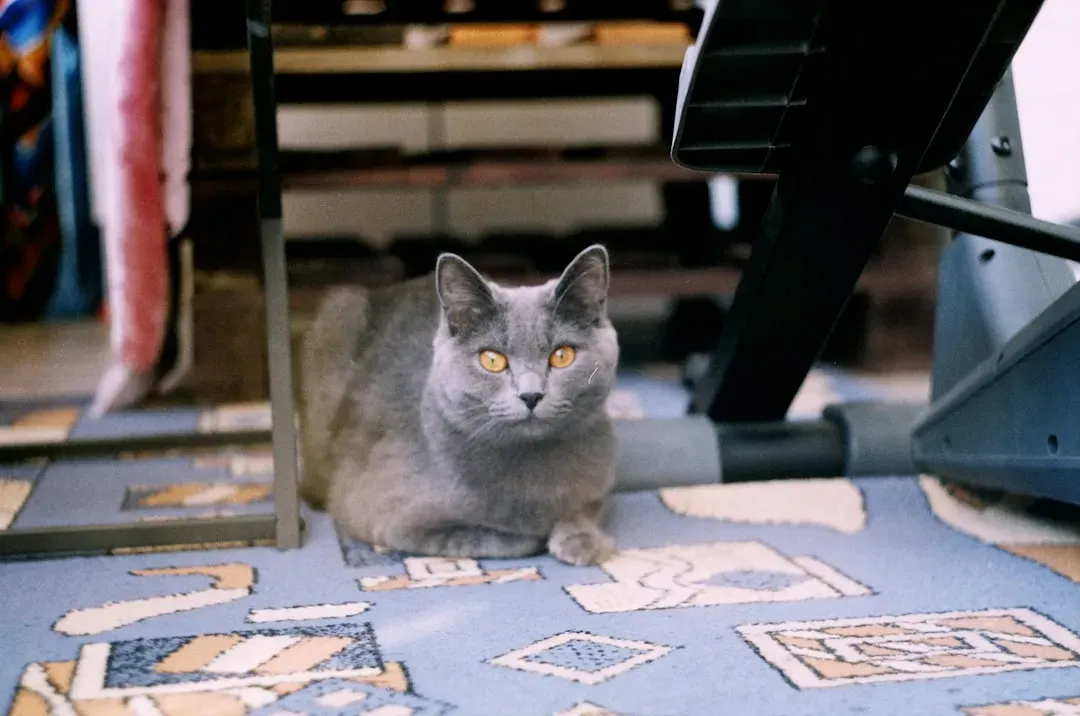
Your cat watches you leave the house in special clothes, return sweaty and labored, make a large amount of noise, and then immediately eat. The sequence is observed. The logic is unclear. Cats experience “zoomies,” technically called Frenetic Random Activity Periods or FRAPs, when they need to release excess energy. This behavior is especially common in indoor cats and often occurs at dawn and dusk, matching their natural hunting times in the wild. Their own bursts of high-energy movement are efficient, purposeful, and last about ninety seconds.
Cats love napping and seemingly sleep all the time. Generally, this trait has developed as an evolutionary advantage so that they can conserve energy for hunting. Of course, the domestic cat does not need to hunt, however the genetics are still there. You, meanwhile, have just spent forty-five minutes running on a machine that goes nowhere. Your cat has watched this from the window and formed a measured assessment of the situation.
12. Trying to Get Their Attention When They’re Clearly Busy Doing Nothing
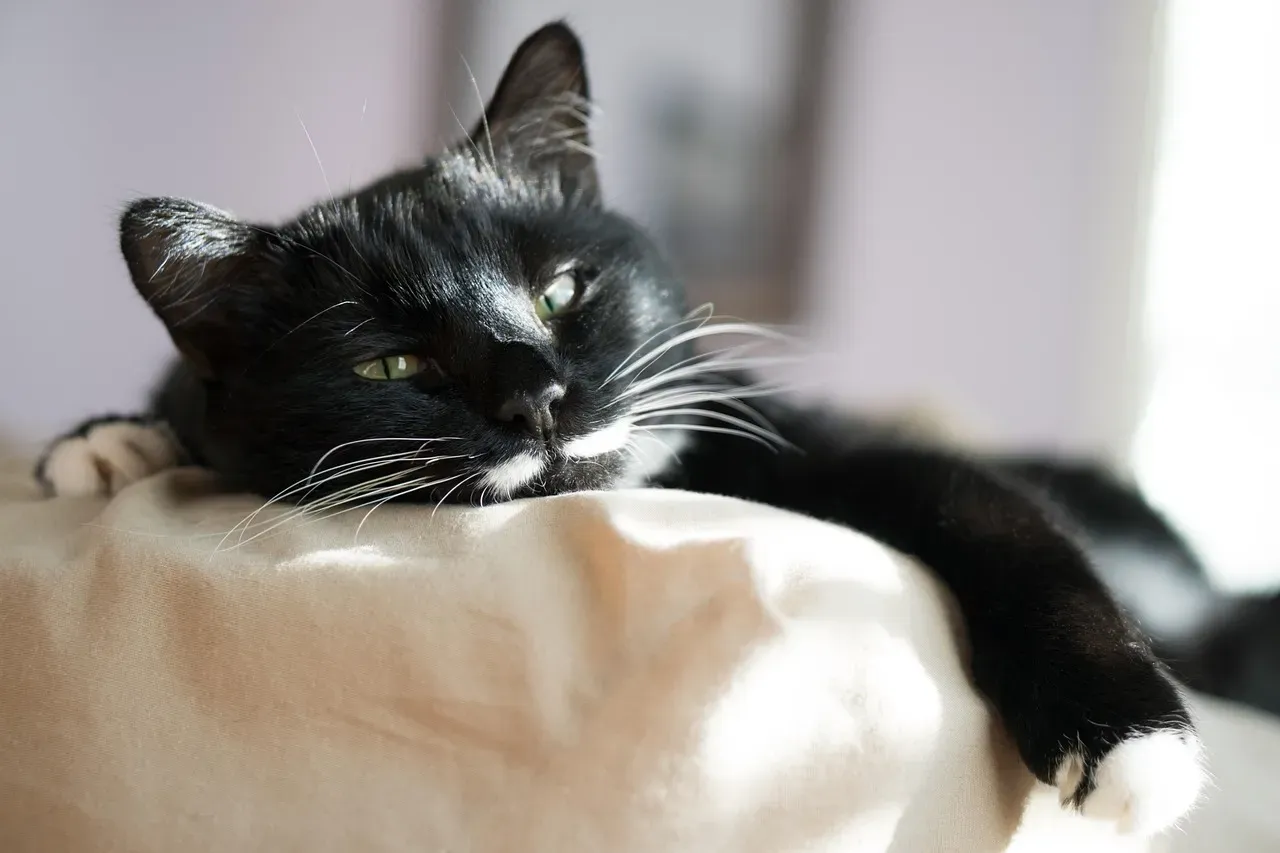
Your cat is sitting in a patch of sunlight, eyes half-closed, perfectly still. You see this and immediately call their name, wave your hand in front of their face, or pick them up. At other times, it seems like you can’t get your cat to look at you. Just like humans, cats appreciate alone time. When they need quiet solitude, give them space. This will strengthen their respect for you and they will seek you out when it’s cuddle time.
Cats are intelligent and observant animals. Over time, they learn what actions lead to results, and staring at their humans without blinking has proven to be remarkably effective. One study has shown that cats can manipulate humans using visual cues. They recognize that their human companions answer to specific cues, like eye contact, and will repeat those actions to achieve desired outcomes like food, affection, or attention. Your cat has you well-trained in this regard. The slow blink, the deliberate look away, the eventual indifferent stretch: all of it works, and they know it.
Conclusion
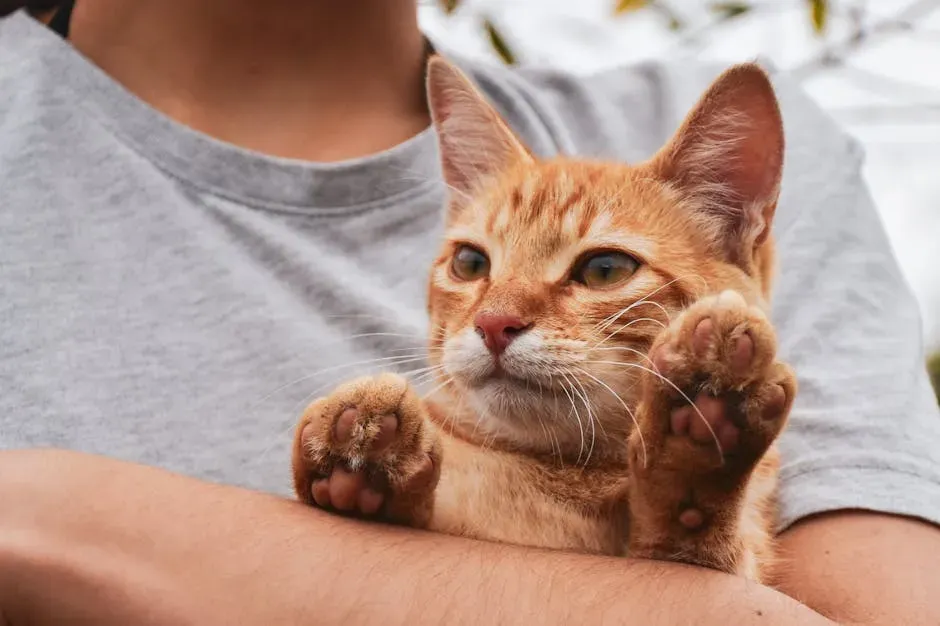
Living with a cat means sharing your space with a creature that is, quietly and constantly, gathering data on you. While cats may not intentionally try to be comedians, their natural instincts, predatory behaviors, and unique way of interacting with their environment create moments of pure hilarity that have made them internet sensations and beloved household entertainers. The relationship goes both ways, though. You find their zoomies and box obsessions endlessly entertaining. They, apparently, find your sneezing fits and phone conversations equally fascinating.
Research suggests that cats can form strong emotional bonds with their owners and may even mirror their moods, contributing to more playful and entertaining interactions when their humans are in good spirits. That might be the most reassuring part of all this. Your cat isn’t just watching you because you’re strange. They’re watching you because you’re theirs. And after all the years of sneezes, laptop interruptions, and stolen seat cushions, it seems like a reasonable trade.
Kristina is a young writer from India. An arts graduate and an avid content creator, Kristina is passionate about animals and wildlife. She enjoys exploring topics related to pet care, animal behavior, conservation, and nature, combining thorough research with engaging storytelling.