There’s something quietly magical about the moment your cat curls up beside you and begins to purr. That soft, rhythmic vibration seems to melt stress away almost instantly, creating a pocket of calm in an otherwise busy world. You might think of it as just a sign of happiness, but there’s far more happening beneath that gentle sound.
Science has shown that your cat’s purr is not only emotionally comforting but also physically beneficial. From healing properties to stress reduction, this simple sound carries surprising depth. When you understand what’s behind it, you begin to appreciate that your cat isn’t just expressing contentment—they’re offering you a form of natural therapy.
The Science Behind the Purr
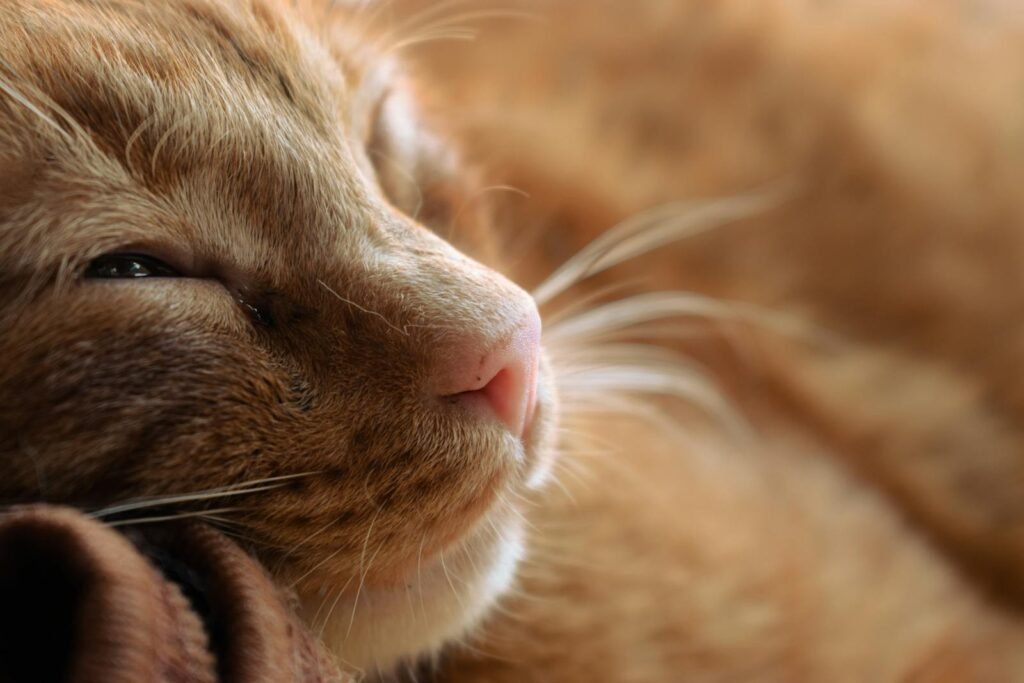
When your cat purrs, it isn’t just a vocal sound—it’s a complex vibration produced by the rapid contraction and relaxation of muscles within their larynx. This movement happens dozens of times per second, creating a consistent, soothing frequency that you can both hear and feel.
What makes this even more fascinating is that the frequency of a cat’s purr typically falls between 25 and 150 Hz. Research suggests that these frequencies are associated with tissue regeneration and healing, which means your cat’s purr may have evolved not just for communication, but also for physical recovery.
Why Your Cat Purrs When They’re Happy
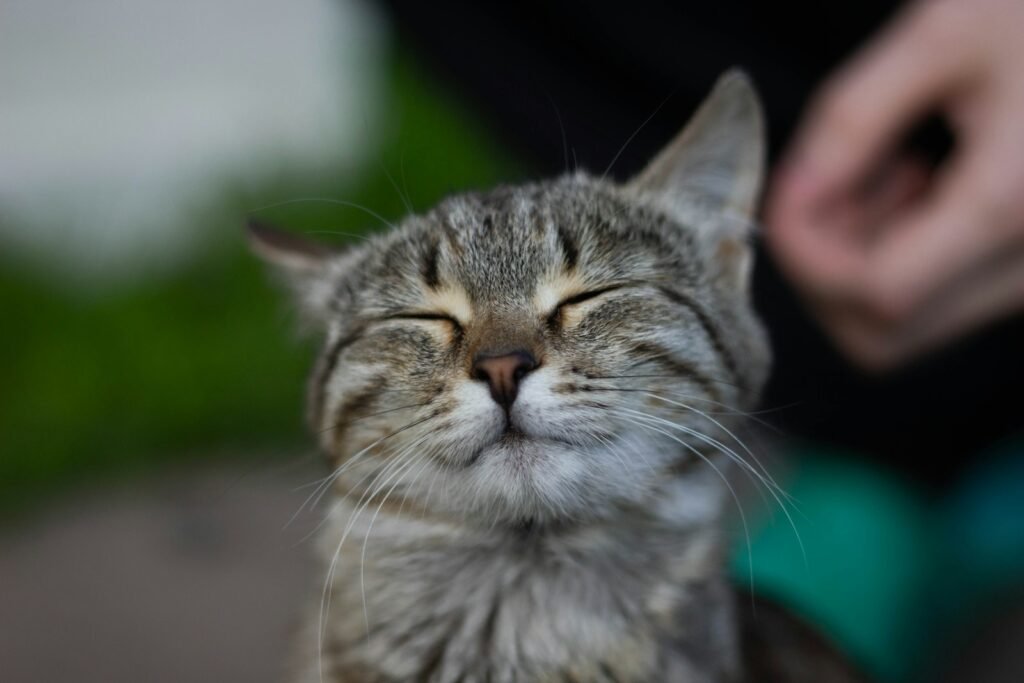
You’ve probably noticed that your cat purrs most when they’re relaxed—curled up in your lap, basking in sunlight, or enjoying a gentle petting session. In these moments, the purr acts as a clear signal of comfort and trust. It’s your cat’s way of saying they feel safe in your presence.
At the same time, your response reinforces this behavior. When you stroke your cat or speak softly while they purr, you’re strengthening a positive feedback loop. Over time, your cat learns that purring deepens your bond, making it a shared language of affection between you.
The Healing Power of Vibrations
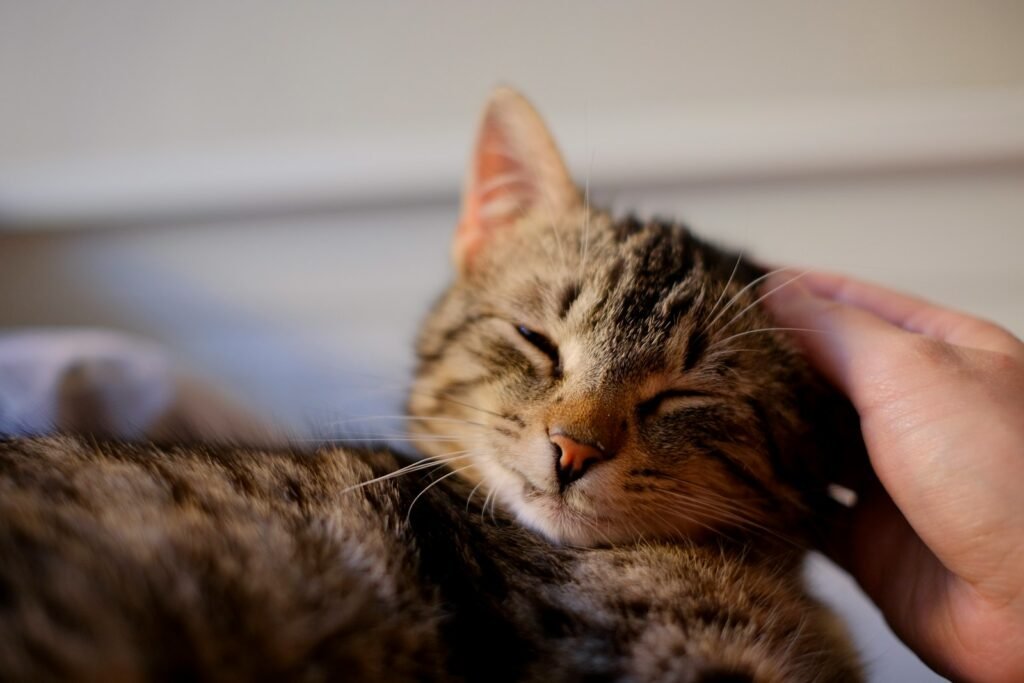
The frequency range of a cat’s purr overlaps with those used in certain therapeutic treatments for bone growth and muscle repair. When your cat purrs, those subtle vibrations may help stimulate healing not just in them, but potentially in you as well.
While the effects on humans are still being explored, many people report feeling physical relief when a purring cat rests nearby. It’s not a replacement for medical treatment, but it highlights how nature often provides unexpected forms of support in everyday life.
How Purring Reduces Your Stress
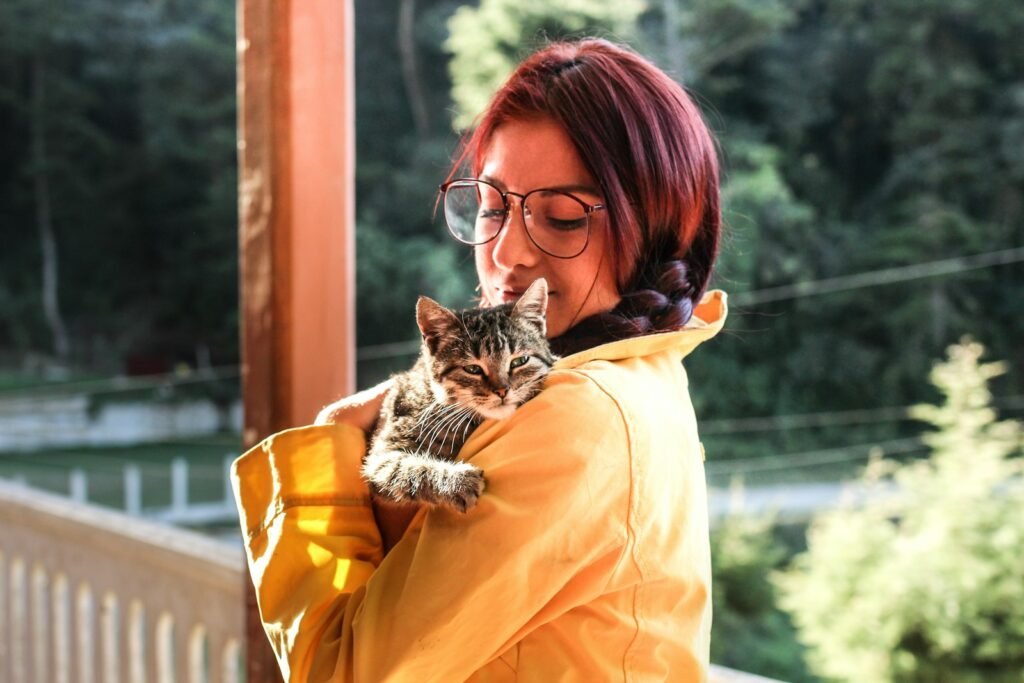
Spending time with a purring cat can significantly lower your stress levels. The rhythmic sound has a calming effect on your nervous system, helping to slow your breathing and reduce feelings of anxiety. It’s similar to how certain types of music or white noise can relax your mind.
You might notice that after a few minutes of listening to your cat purr, your thoughts feel less scattered and your body more at ease. This isn’t just coincidence—your brain is responding to the steady, predictable pattern of the sound, encouraging a state of relaxation.
Purring as a Form of Communication
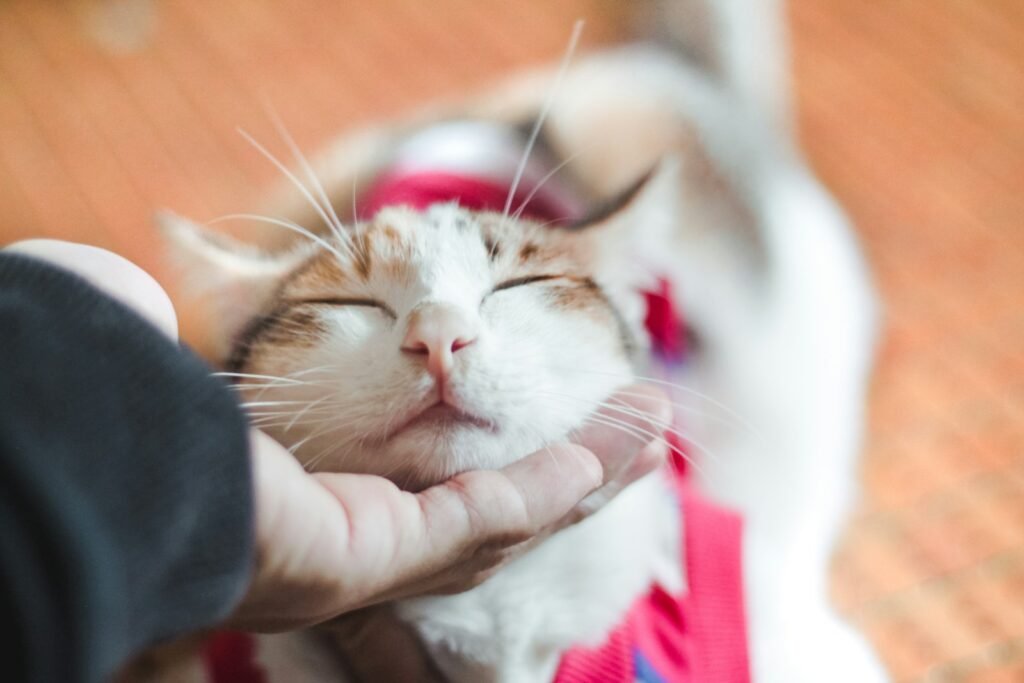
Although purring often signals happiness, your cat also uses it as a subtle communication tool. Kittens begin purring just days after birth, helping them bond with their mother and signal that they’re safe and content.
As your cat grows, that same behavior evolves. They may purr to greet you, to ask for attention, or even to reassure themselves in unfamiliar situations. When you pay attention to the context, you’ll start to recognize the different meanings behind each purr.
When Purring Means Something Else
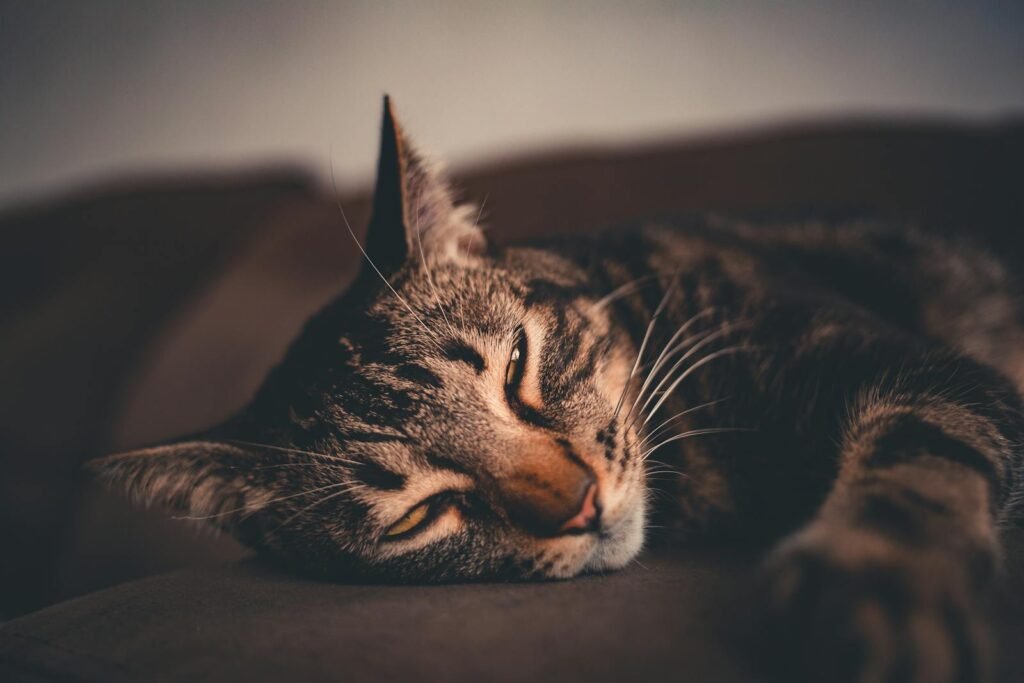
It’s easy to assume that every purr equals happiness, but that’s not always the case. Cats sometimes purr when they’re anxious, injured, or unwell. In these situations, the purr may serve as a self-soothing mechanism, helping them cope with discomfort.
That’s why it’s important to look at the bigger picture. If your cat is purring but also showing signs like hiding, loss of appetite, or unusual behavior, it could be their way of dealing with stress or pain rather than expressing contentment.
The Emotional Bond You Build Through Purring
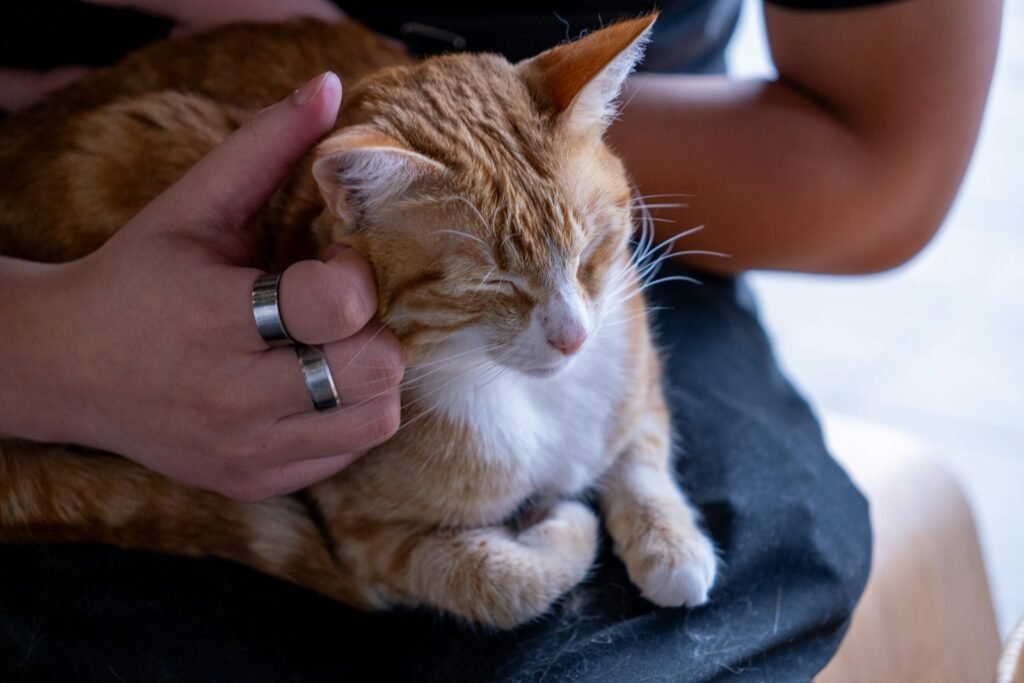
When your cat chooses to sit close to you and purr, it reflects a deep level of trust. They’re not just enjoying the moment—they’re sharing it with you. This shared experience strengthens your emotional connection in subtle but meaningful ways.
Over time, these quiet moments build a sense of companionship that goes beyond words. Your cat learns that you’re a source of comfort, while you begin to associate their presence with calm and reassurance. It’s a mutual relationship rooted in simple, consistent interactions.
Why Purring Feels So Comforting to You
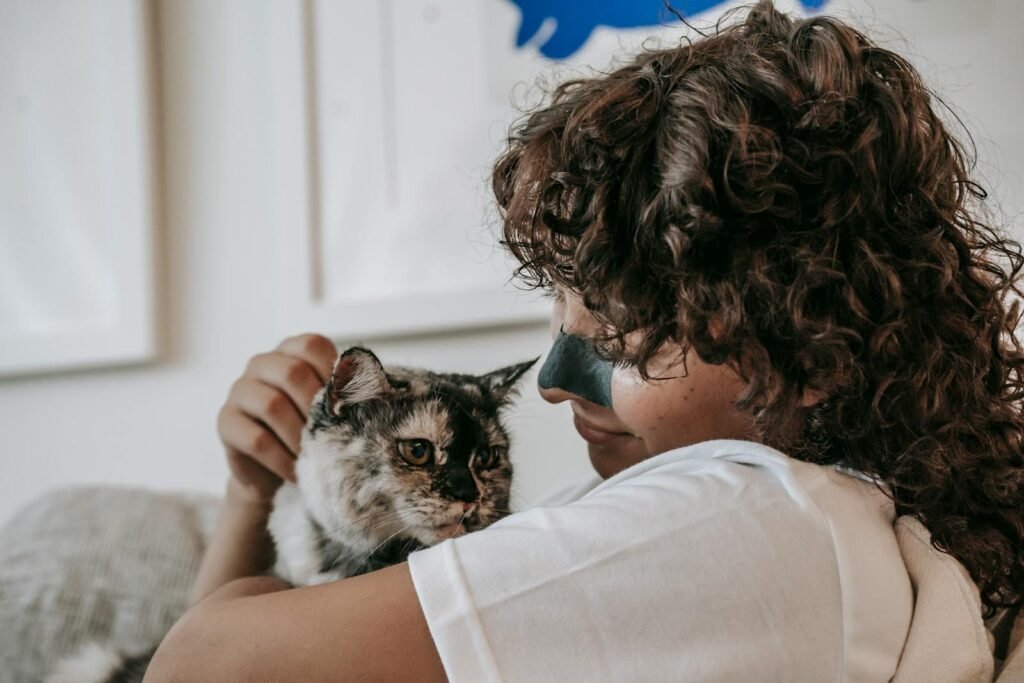
There’s a reason you instinctively relax when you hear your cat purr. The sound is low, steady, and predictable—qualities that your brain interprets as safe and non-threatening. This triggers a calming response, helping you unwind even after a stressful day.
In addition, the physical sensation of a purring cat resting against you adds another layer of comfort. The gentle vibrations create a grounding effect, bringing your attention into the present moment and away from worries or distractions.
How to Encourage More Purring Moments
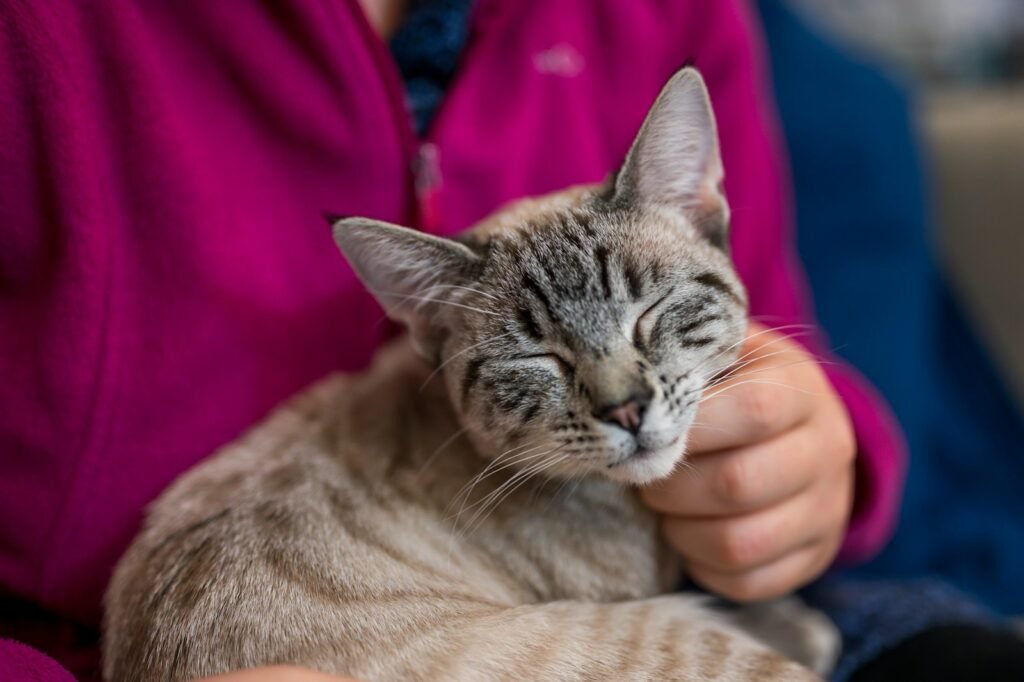
If you want to experience more of these soothing interactions, focus on creating an environment where your cat feels secure. Gentle petting, a consistent routine, and a quiet space can all encourage your cat to relax and purr more often.
Pay attention to what your cat responds to best. Some prefer slow strokes along their back, while others enjoy chin scratches or simply sitting close without too much handling. By respecting their preferences, you naturally invite more of those calming, purring moments into your day.
Your cat’s purr is far more than a simple expression of happiness—it’s a remarkable blend of biology, communication, and emotional connection. Backed by science and enriched by everyday experience, it serves as both a comfort to your cat and a gift to you.
When you take the time to appreciate it, you realize that this gentle sound carries a quiet power. It soothes, heals, and strengthens the bond you share. In a world filled with noise and stress, your cat’s purr remains one of nature’s most calming and meaningful sounds.
Kristina is a young writer from India. An arts graduate and an avid content creator, Kristina is passionate about animals and wildlife. She enjoys exploring topics related to pet care, animal behavior, conservation, and nature, combining thorough research with engaging storytelling.