Watch your cat for just ten minutes during a quiet afternoon and you’ll likely notice the same thing: a focused, methodical creature working through its coat with the kind of deliberate calm that most humans only manage in a yoga class. There’s something almost meditative about it. Paw lick, face wipe, tongue down the flank, repeat. It looks effortless, but what’s happening under the surface is actually a sophisticated, multi-purpose biological routine.
The more you understand what’s behind all that licking and pawing, the more impressive it becomes. Your cat’s grooming habits aren’t a quirk or a way to pass time. They’re a finely tuned daily practice with real physical, emotional, and social functions, each one worth paying attention to as a cat owner.
How Much Time Your Cat Actually Spends Grooming
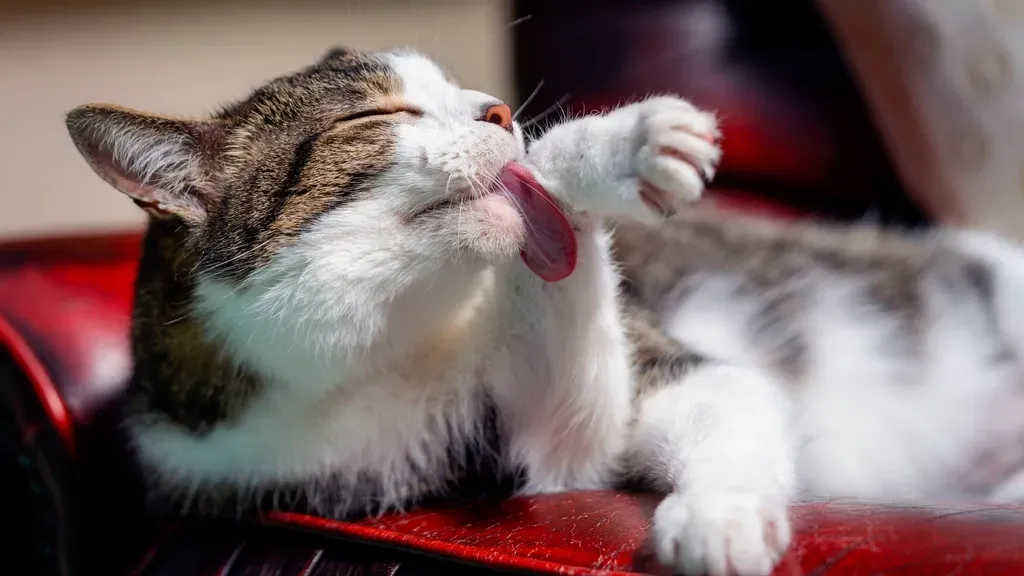
If you’ve ever felt like your cat spends half its waking life cleaning itself, you’re not far off. Cats spend between 30 and 50 percent of their waking hours grooming themselves. That’s a staggering commitment to personal upkeep, and it speaks to just how central grooming is to feline biology and well-being.
On average, cats spend between 15 to 50 percent of their waking hours grooming themselves, and the amount of time a cat spends grooming can change depending on their preferences, age, and environment. Younger, healthier cats tend to be more active groomers, while senior cats may slow down due to physical limitations. The variation is entirely normal, and knowing your cat’s individual baseline is one of the most useful things you can do as an owner.
The Remarkable Engineering Behind Your Cat’s Tongue
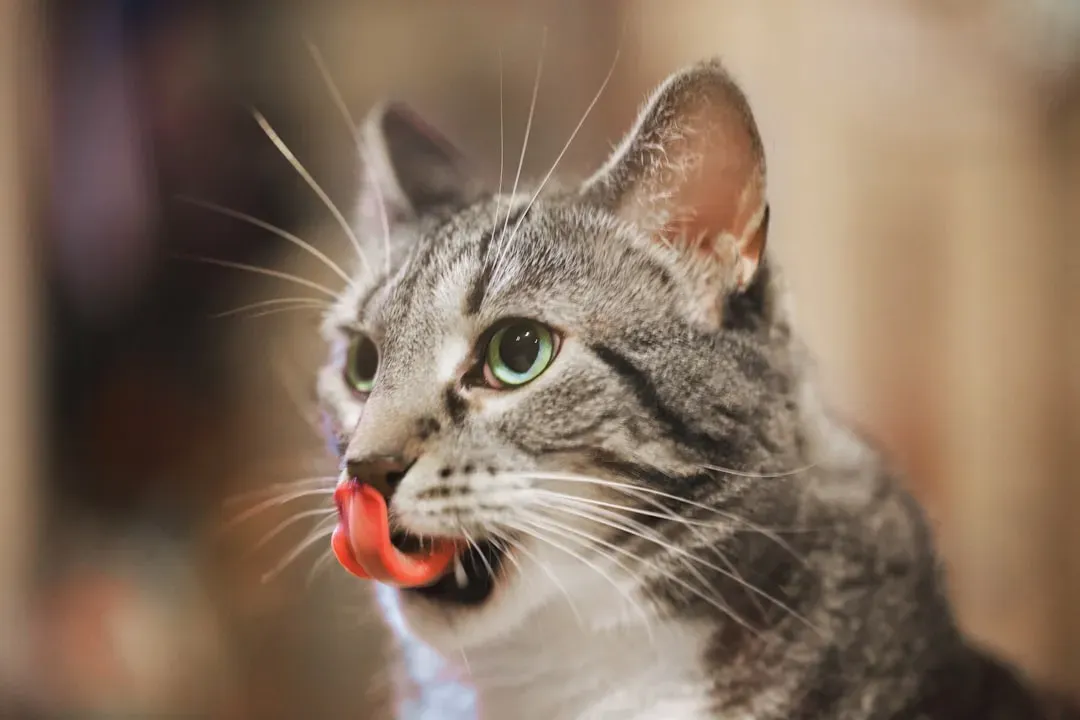
A cat’s tongue consists of many small barbs or papillae made of keratin, which face backwards on the tongue. Keratin is the same substance that makes up hair and nails, and the barbs on the cat’s tongue are useful in removing hair and foreign bodies. It’s essentially a built-in comb that requires zero maintenance itself.
A cat’s tongue is equipped with small, backward-facing barbs called papillae, and much like particular types of massages stimulate blood flow in humans, these barbs improve cats’ circulation when stroked over the skin. So every grooming session is doing double duty: cleaning the coat and stimulating healthy blood flow at the same time. It’s efficiency that would make any wellness brand jealous.
Grooming as a Skin and Coat Health System
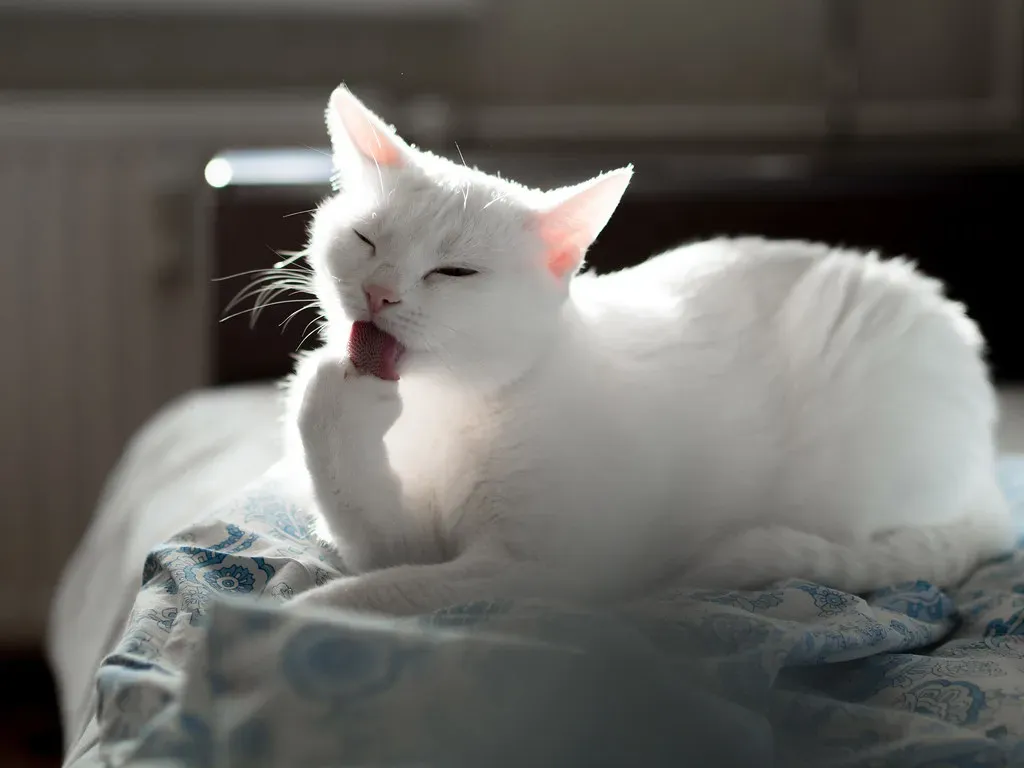
Cats groom to remove any dirt, loose hair, mats, or parasites like fleas, but grooming also helps to keep their coat smooth and glossy. Licking themselves stimulates the production of sebum, an oily secretion that keeps their fur shiny and waterproof. Think of it as your cat producing and distributing its own natural conditioner, on demand, every single day.
Grooming also spreads natural oils over the skin and fur, which helps keep the coat healthy and free of painful mats and moisturizes the skin. For you as an owner, this means a cat that grooms regularly is actively preventing the kind of matting and skin dryness that can become painful and difficult to treat. Keeping an eye on your cat’s coat condition gives you an easy, reliable window into their overall health.
Temperature Regulation: Your Cat’s Built-In Cooling System
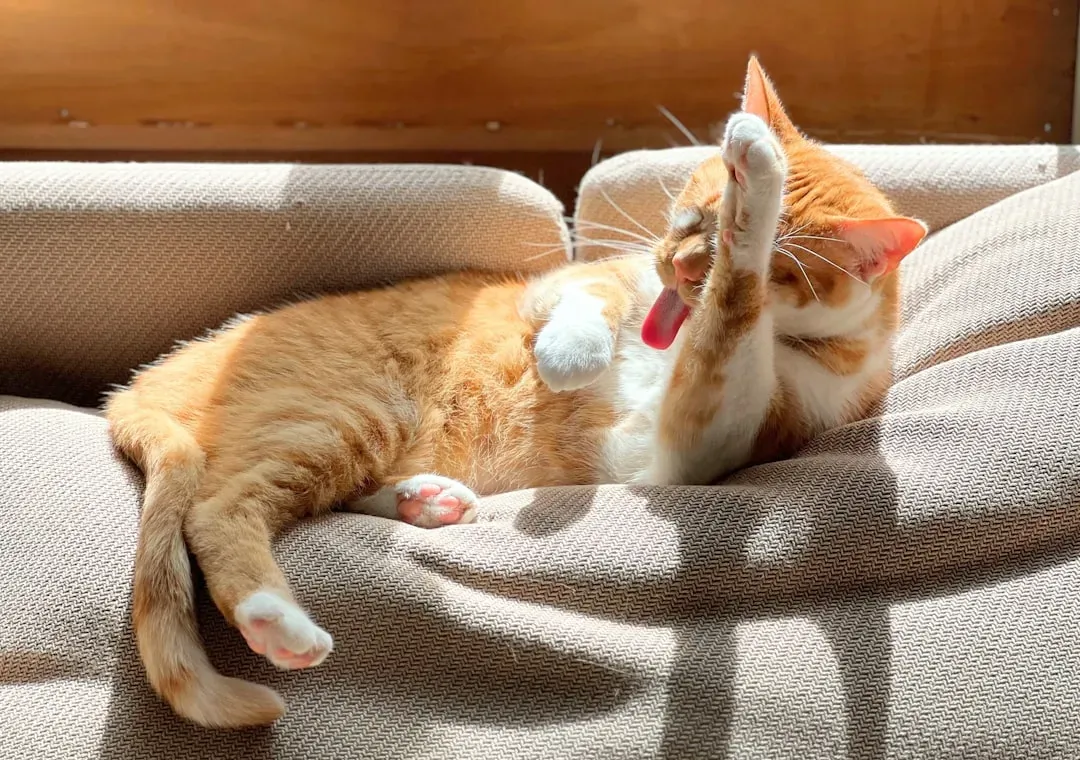
Licking helps regulate body temperature, as saliva evaporates from the surface of a cat’s body and takes excess body heat along with it. Grooming is key here, because cats don’t sweat to cool off like humans do. It’s a clever workaround for a biology that doesn’t rely on sweat glands the way ours does.
Grooming can serve as a cooling mechanism on hot days. Cats can sweat but only through their paw pads; the evaporation of saliva after grooming can aid in cooling. In addition, well-groomed hair will fluff up and allow air circulation against the skin. This matters especially during warmer months. If your indoor cat seems to be grooming more frequently in summer, there’s a good physiological reason for it.
The Calming Effect: Grooming as Stress Relief
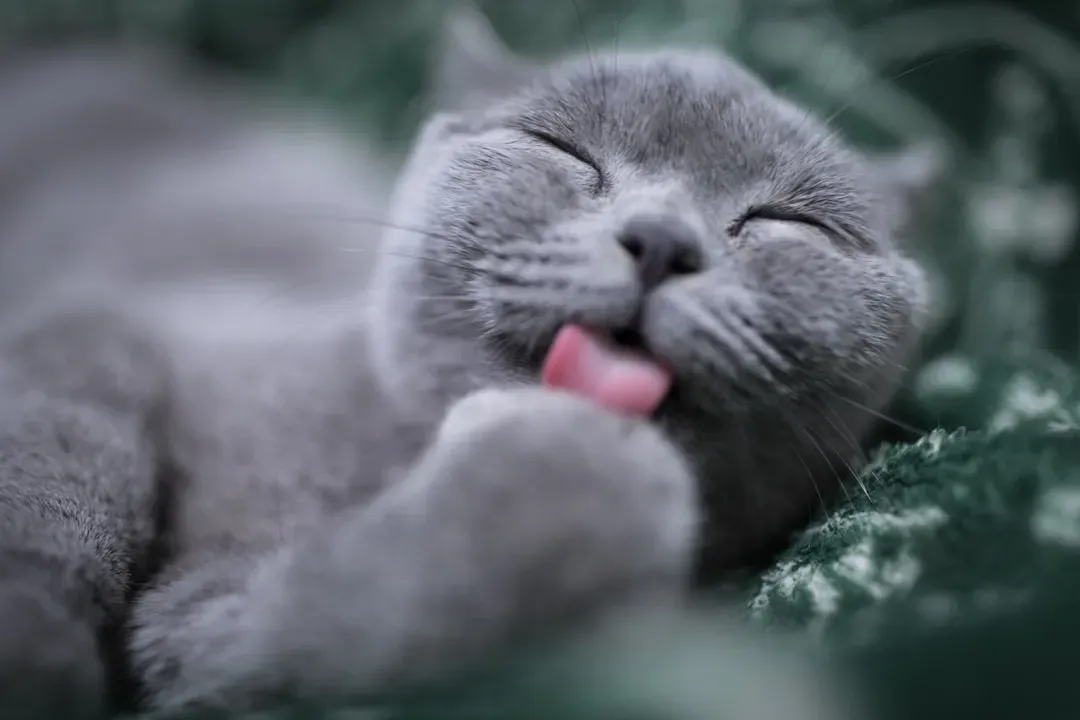
Cats can react to life changes such as moving, construction, new family members, and new routines by grooming themselves more, which helps soothe feelings of stress and anxiety by releasing endorphins into the bloodstream. The grooming ritual functions almost like a reset button for the nervous system, a way to regain composure when the world feels uncertain.
Grooming can be a self-soothing activity for cats, which helps them to relax and reduce stress. Cats may groom themselves as a displacement behavior when they are unsure about a situation or to relieve tension. You’ve probably seen this yourself: your cat takes a tumble or gets startled, pauses, then immediately begins washing its face. It’s not embarrassment. It’s a built-in coping mechanism, and a pretty effective one at that.
Social Grooming and What It Says About Your Cat’s Relationships
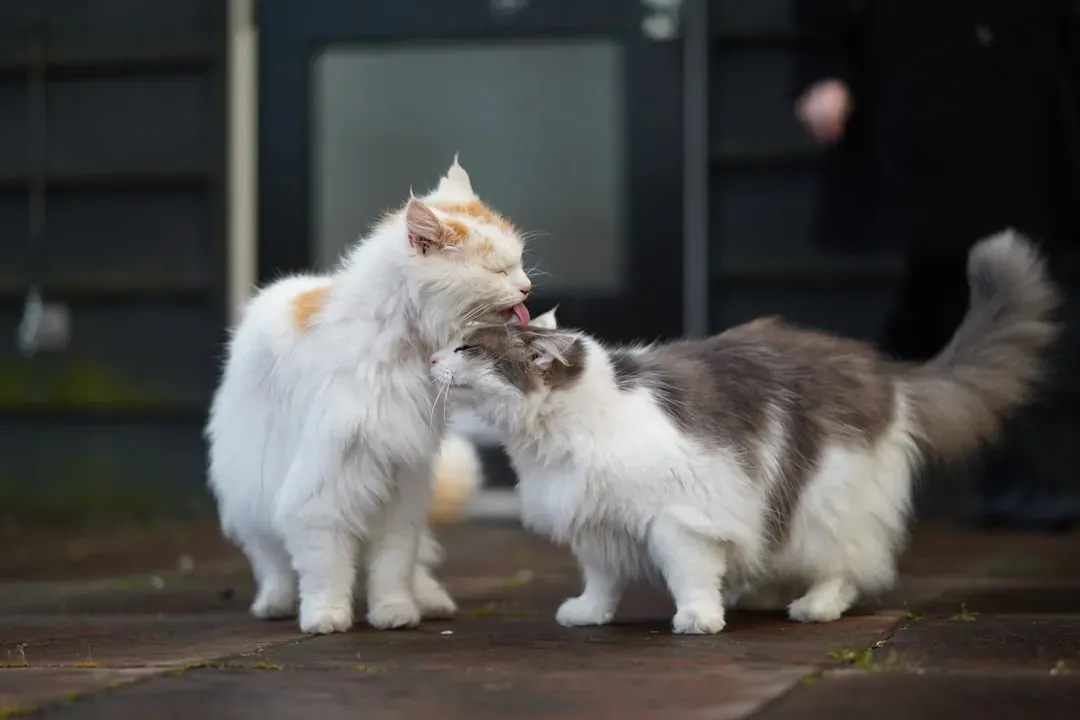
Cats groom each other to express social bonds and affection, and this mutual grooming, known as allogrooming, is a sign of trust and friendship. When you see two cats grooming each other in your home, you’re watching something genuinely meaningful: a display of social comfort that goes back to feline evolutionary history.
Cats have scent glands on the top of their head and along their cheeks. When cats lick each other’s faces, they are exposed to each other’s scents. Combining their own scents into a new smell helps social groups develop a shared “colony scent” that identifies each other as members of a family unit. So allogrooming isn’t just bonding; it’s identity building. Your multi-cat household is essentially creating its own family signature, one lick at a time.
When Your Cat Grooms You: What It Actually Means
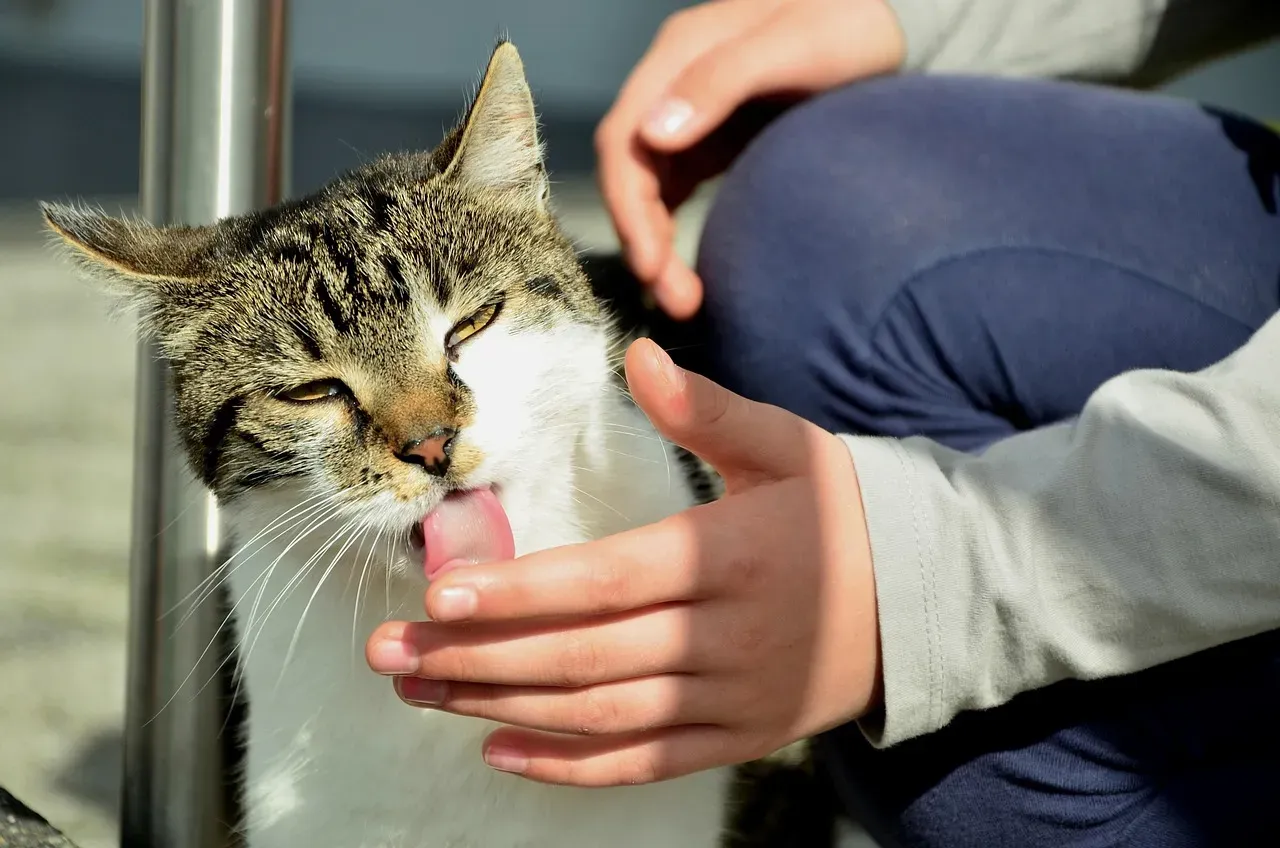
Cats tend to treat their human companions as if they were also cats, so your cat might lick you for many of the same reasons they would lick another cat, such as to express affection and to exchange scents with you so that you and your cat also form your own colony scent. Your cat may also lick you to help “groom” you, as they would with another adult cat, or to get your attention. It’s one of the more touching aspects of feline behavior when you understand the context behind it.
Much like a mother cat would to her kittens, cats sometimes groom their humans to show their affection and to strengthen bonds. If your cat licks you, it shows they have accepted you as part of their family. If you’ve been wondering whether your cat actually likes you, this is a fairly strong signal. Being groomed by a cat is, in feline terms, a genuine gesture of closeness and trust.
Grooming as a Health Signal You Shouldn’t Ignore
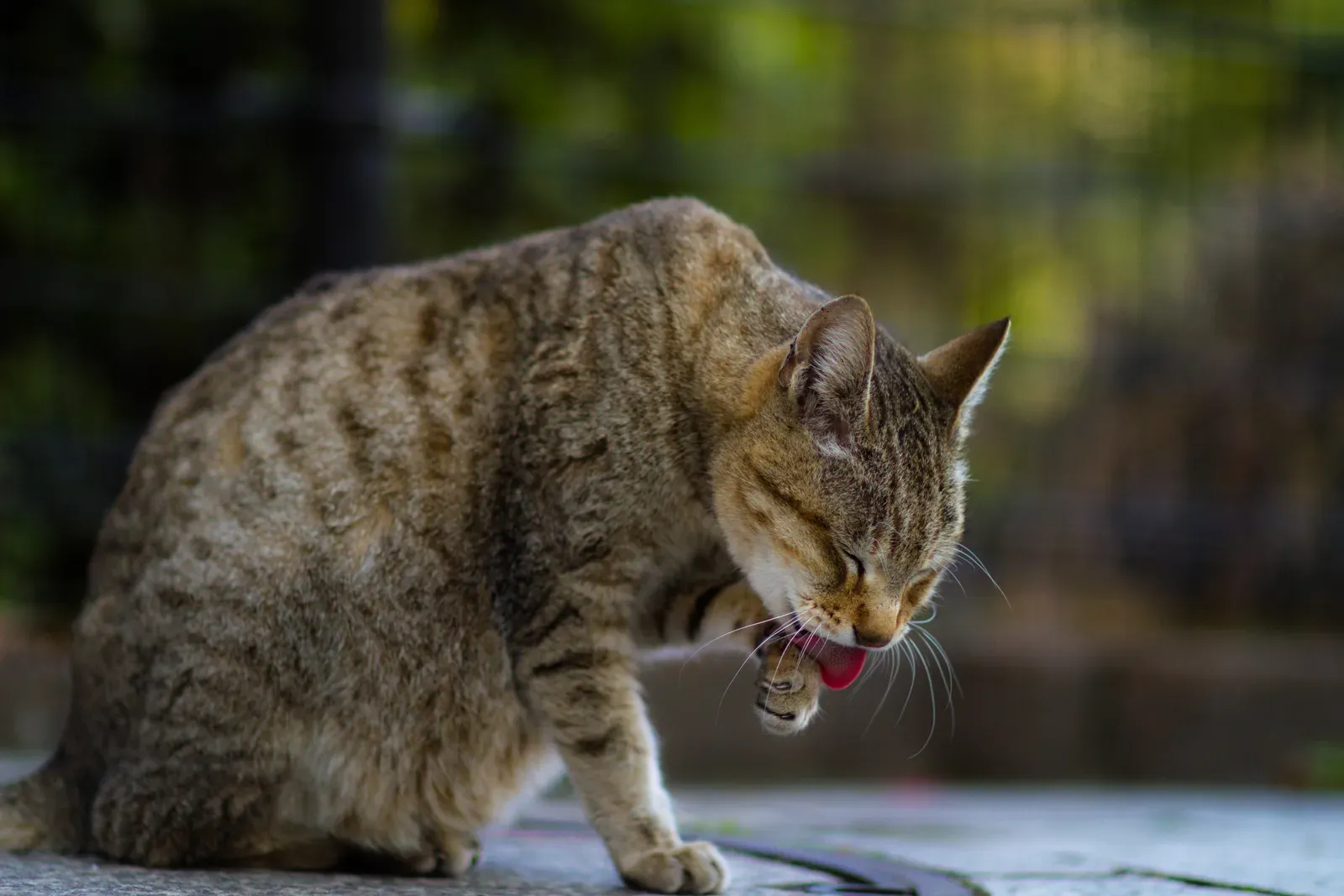
Grooming behavior is an important indicator of health in feline companions. Cats spend 30 to 50 percent of their day in grooming activities. A sick cat may stop or reduce grooming, resulting in a harsh or greasy hair coat, mats, staining on the fur, or a foul smell. In other words, a sudden drop in grooming frequency is a red flag worth acting on quickly.
Cats spend a significant part of their day grooming and grooming behavior is an important component of behavioral health. Excessive grooming often leads to self-trauma to the hair coat and skin. Excessive grooming behavior is frequently associated with underlying medical conditions such as dermatological or neurological problems or orthopedic-associated pain. Both too little and too much grooming can be signals worth discussing with your vet. Your cat’s routine is essentially communicating its internal state to you every single day.
How Grooming Habits Begin: Kittens and Their Mothers
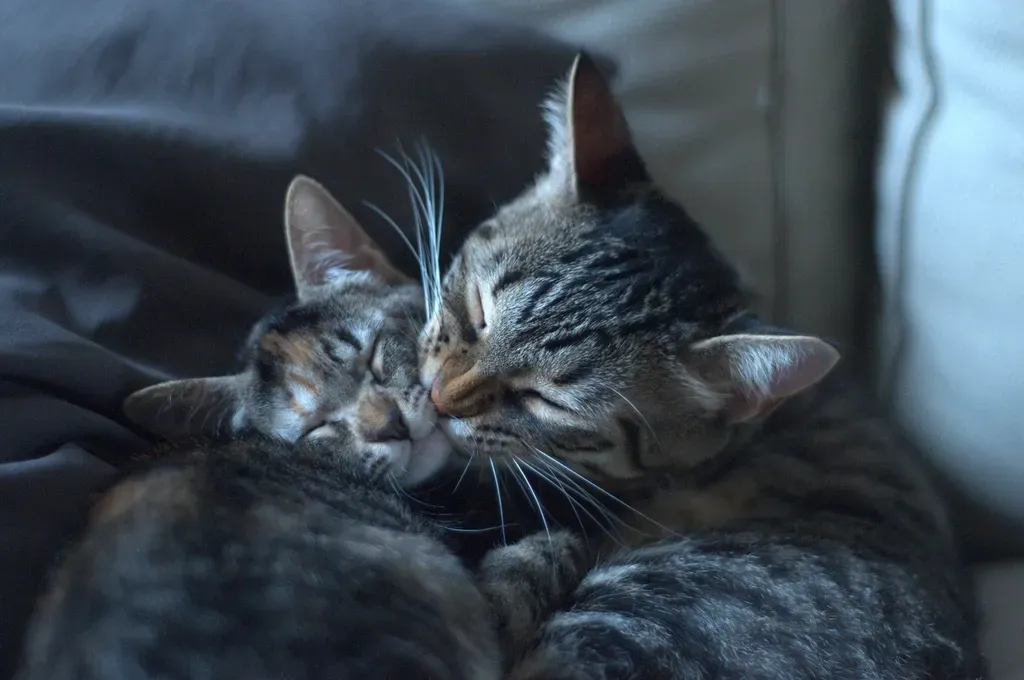
Mothers lick their kittens to clean them, provoke urination and suckling, provide comfort, and strengthen their bond. At 4 weeks of age, kittens begin grooming themselves, and shortly thereafter start grooming their mother and littermates. This early learning shapes everything that follows. Grooming, from a cat’s very first days, is tied to nourishment, safety, and love all at once.
As cats grow, they will develop their own grooming ritual. They won’t necessarily groom all of themselves in one sitting, but at the times they are grooming, it’s important to avoid interrupting them as it’s a key part of their regular daily routine. This is worth remembering if you’re tempted to pick your cat up mid-session. What looks like idle grooming is actually a structured, important routine, and your cat takes it seriously even if you don’t.
Conclusion
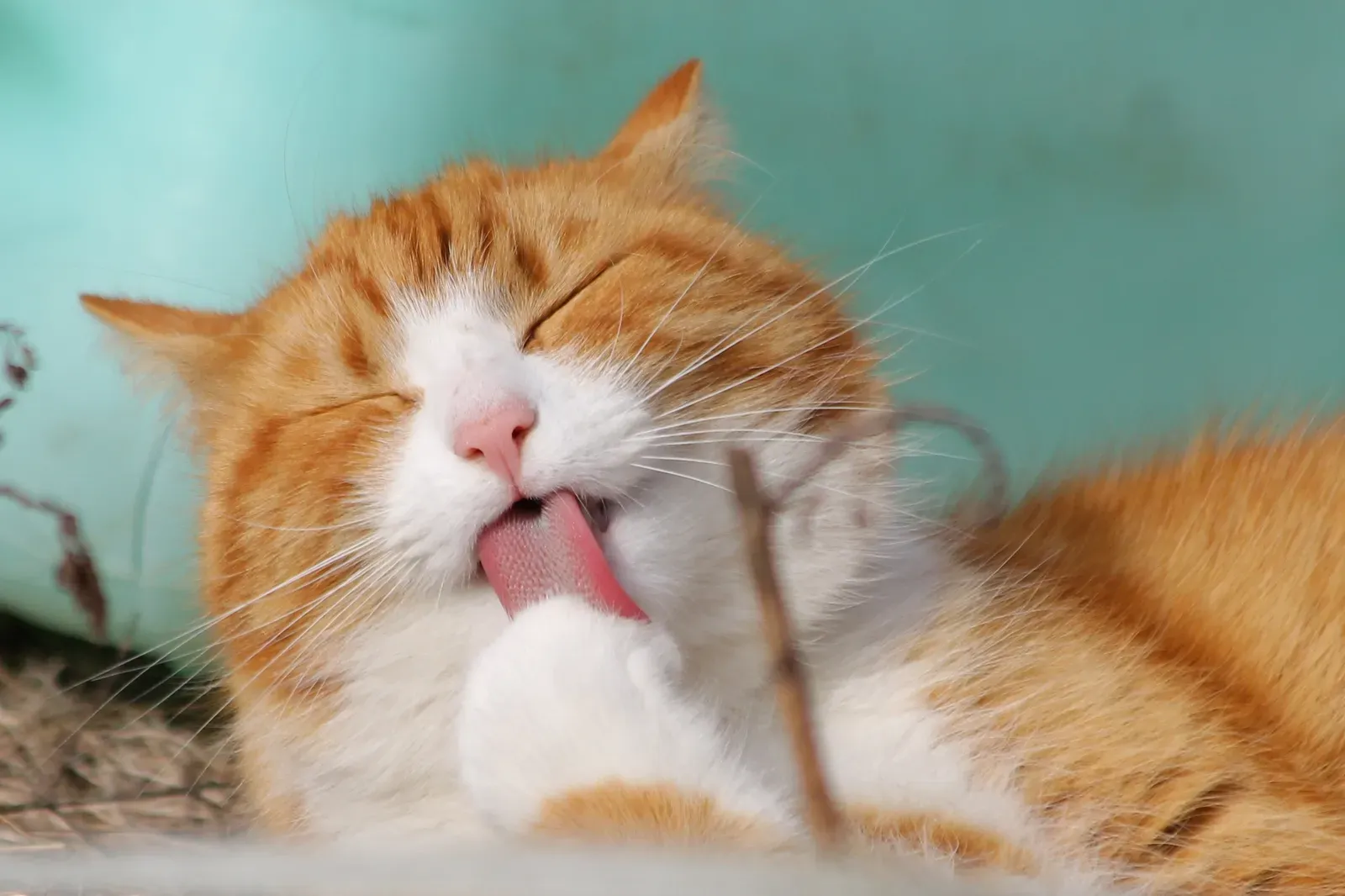
Your cat’s grooming rituals are, in the truest sense, a complete self-care system. They manage physical health, regulate temperature, ease stress, build relationships, and communicate emotional states, often all within a single afternoon session on the couch. It’s easy to overlook because it looks so ordinary, so routine.
Paying closer attention to when, how, and how often your cat grooms itself gives you something genuinely useful: a daily read on their physical and emotional state that no app or device can replicate. The next time you catch your cat mid-wash, take a moment. What you’re watching is not just habit. It’s biology, behavior, and connection happening all at once.
Kristina is a young writer from India. An arts graduate and an avid content creator, Kristina is passionate about animals and wildlife. She enjoys exploring topics related to pet care, animal behavior, conservation, and nature, combining thorough research with engaging storytelling.