You’re walking to the kitchen in the morning, still half-asleep, when something small and furry launches from behind the couch and clamps onto your ankle. You yelp. Your cat stares up at you with complete satisfaction. Sound familiar?
What looks like mischief to you is something far older and more purposeful to your cat. Every stalk, pounce, and ambush aimed at your feet carries the imprint of millions of years of evolution. Understanding what’s actually happening in those moments changes the entire relationship between you and the small predator who shares your home.
Your Feet Are the Perfect Prey Substitute
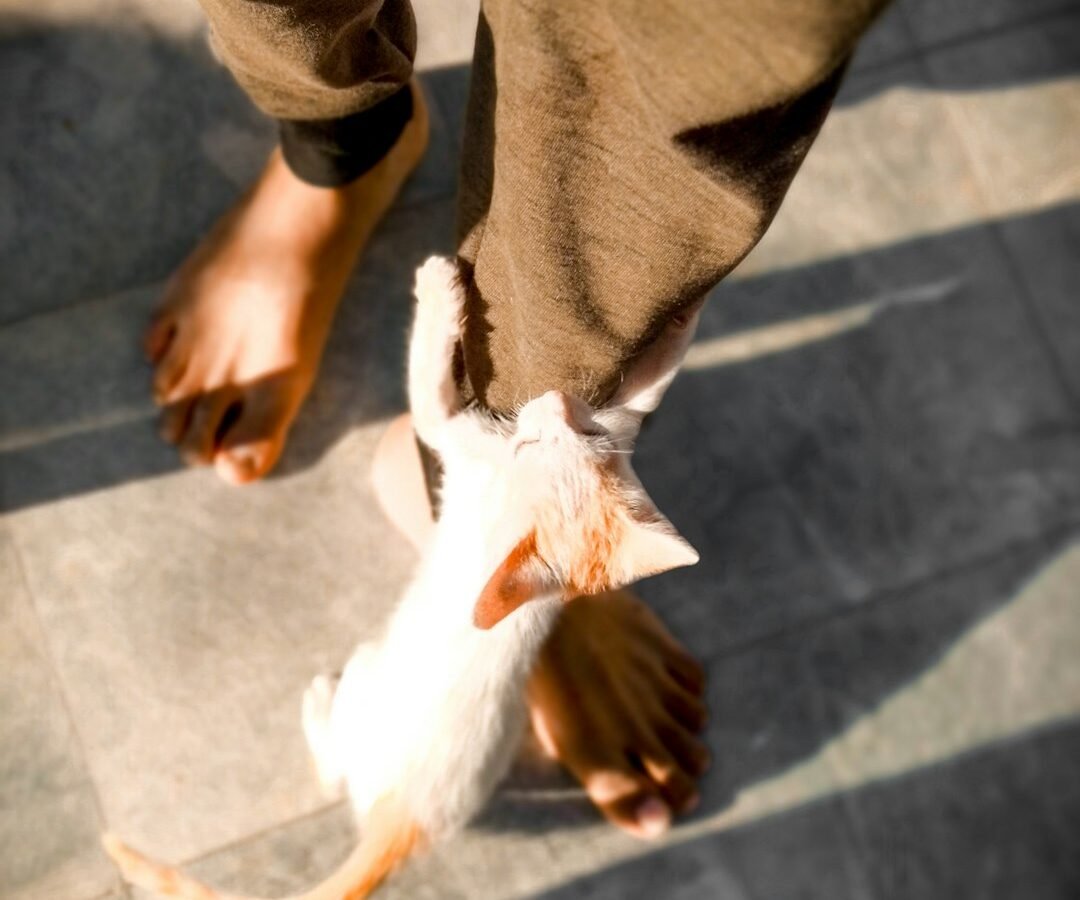
There’s a straightforward reason your cat targets your feet and not, say, a throw pillow. The primary driver is the resemblance between moving feet and appropriate prey, triggering hunting responses evolved over millions of years. Your feet move unpredictably, hover close to the ground, and disappear around corners, all qualities that look remarkably like a small fleeing animal to a cat’s brain.
What makes feet uniquely vulnerable is their combination of motion, proximity, and unpredictability. Unlike a toy you hold still, your feet move independently, sometimes darting away, sometimes pausing, creating ideal conditions for predatory rehearsal. You’re essentially an unintentional, endlessly available training partner for a creature whose nervous system was built for the hunt.
The Ancient Predatory Sequence Hiding in Plain Sight
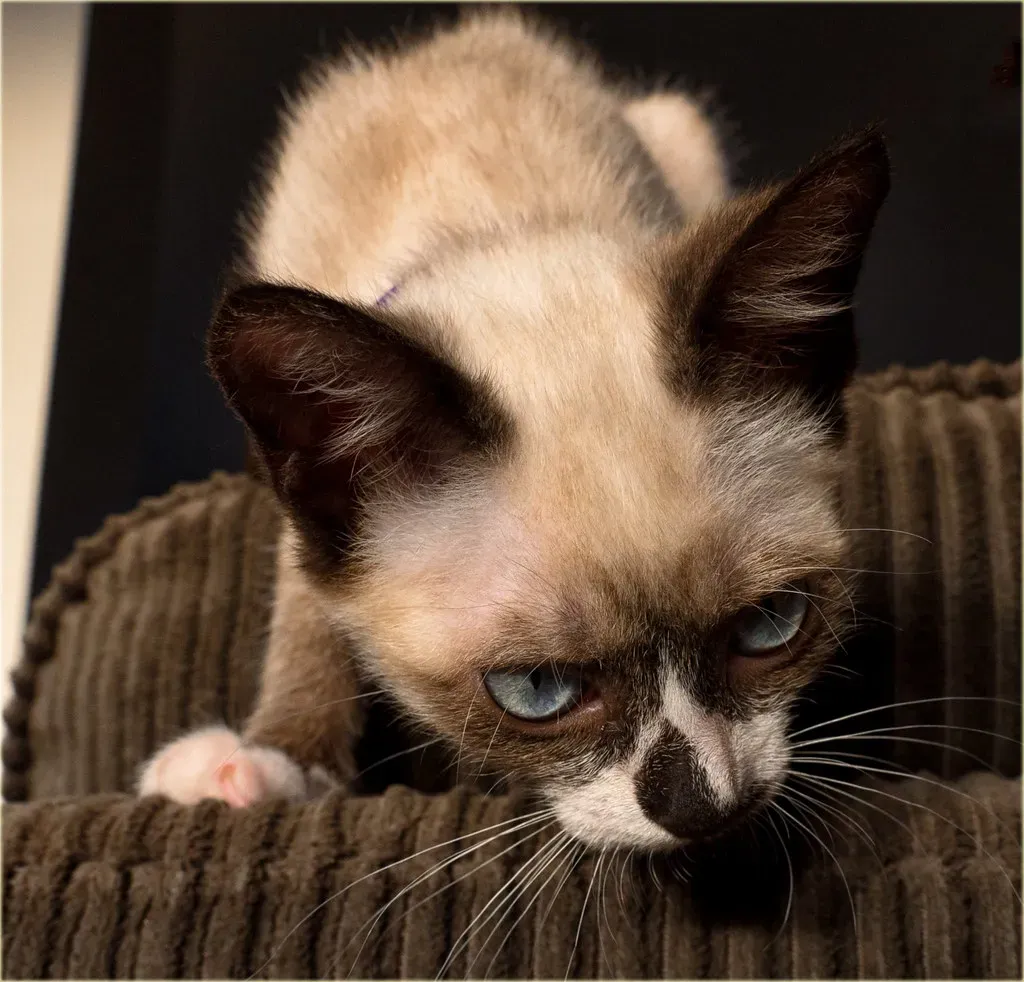
Predatory behavior in cats follows an immutable sequence hardwired into their nervous systems: stare, stalk, chase, pounce, kill, and finally, eat. When your cat watches you walk across the room, freezes, wiggles its hindquarters, then launches, it’s running through each stage of that sequence with genuine neurological precision.
The first step involves your cat crouching down low, eyes going really big as they lock onto their target. Then you may see them start to move very slowly and carefully to get into position. At just the right moment, they take off after their prey. That familiar crouch-and-wiggle moment isn’t cute coincidence. It’s an ancient motor pattern running exactly as evolution designed it to run.
The Neuroscience Behind Why It Feels So Rewarding
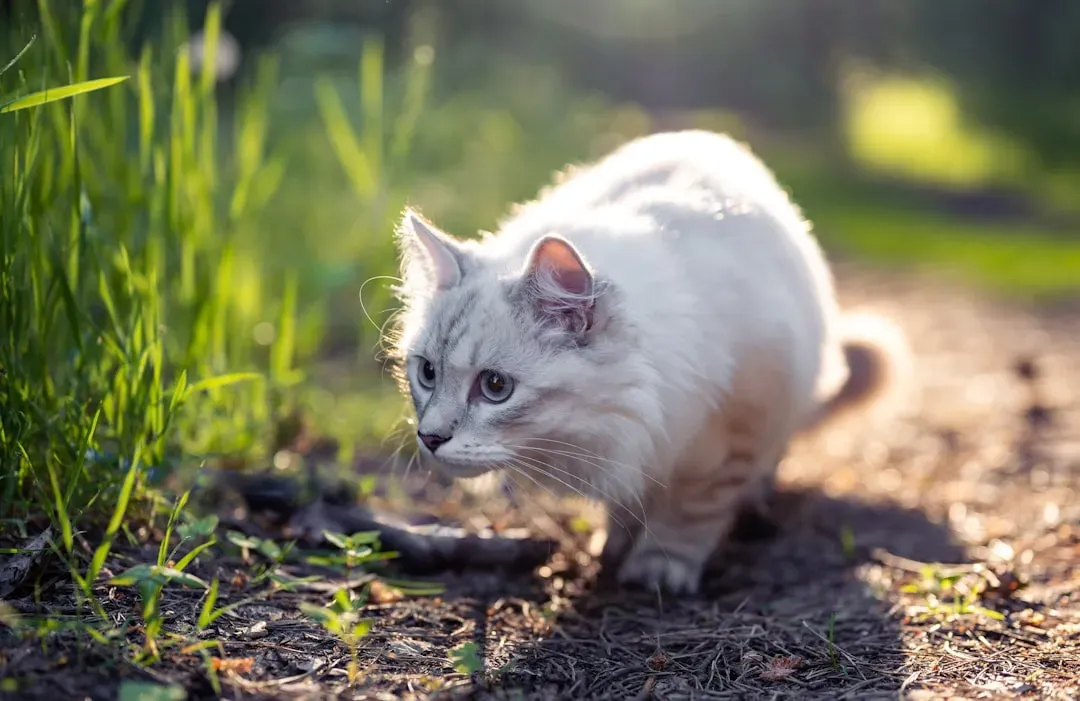
Research into feline predatory behavior confirms that the hunting sequence provides its own neurological reward regardless of whether it results in actual prey capture, meaning cats experience satisfaction from the hunting process itself. This explains why cats do not need to be hungry to engage in foot attacking behavior. Your well-fed cat isn’t confused about where dinner comes from. It’s simply following deep biological impulses that feel genuinely rewarding to act on.
Today’s domestic cat hunts more for fun and entertainment. The sight or sound of prey triggers a cat’s hunting instinct, making it near-impossible for them to resist the sound of a bird’s wings flapping or the sight of a darting mouse. Your moving feet land squarely in that same category. The reward system doesn’t care that you’re a person, it only notices the motion.
How Kittens Learn to Hunt Through Play
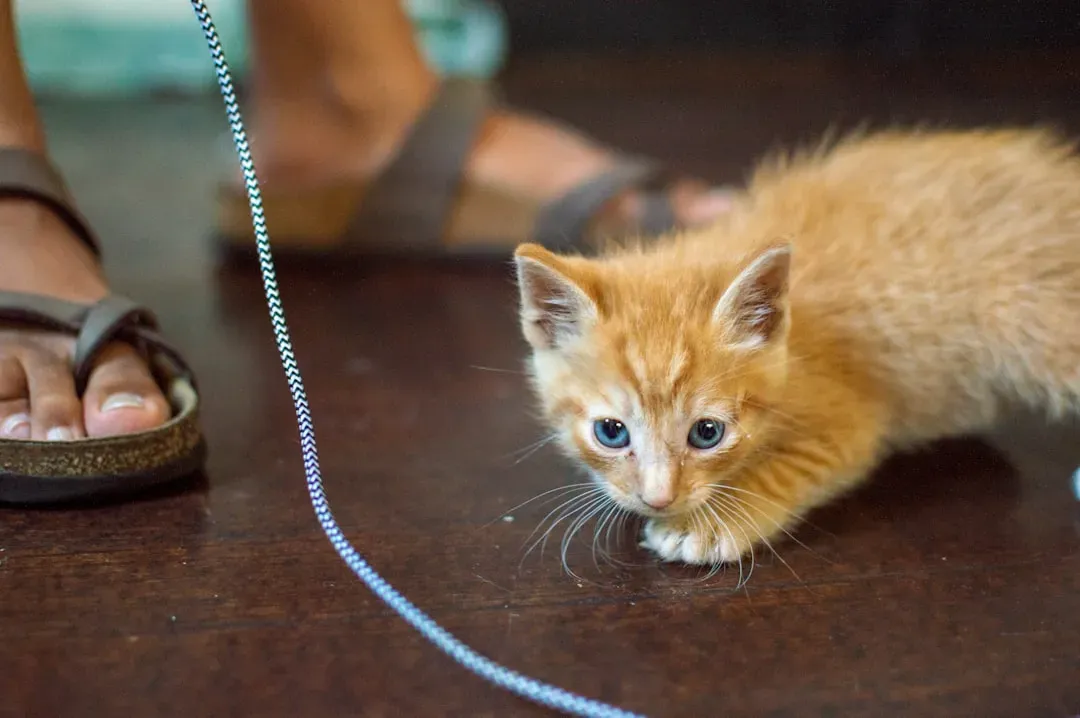
Kittens learn how to stalk as early as three weeks old and are proficient by nine weeks old. They first learn to swat and then to pounce. Play within a litter is often kittens mimicking the predatory sequence they’ve seen mom demonstrate. Those early weeks of play aren’t random, they’re a structured curriculum. Every ambush game with a littermate sharpens timing, coordination, and instinct.
In many instances, hunting is a learned behavior first taught by their mother and then reinforced and honed by playing with their littermates. Studies have shown that kittens who had the opportunity to observe their mothers hunt become better hunters than kittens who didn’t. So when your adult cat targets your feet, you may be looking at skills that were being polished before they were even old enough to be adopted.
Why Moving Away Makes Things Worse
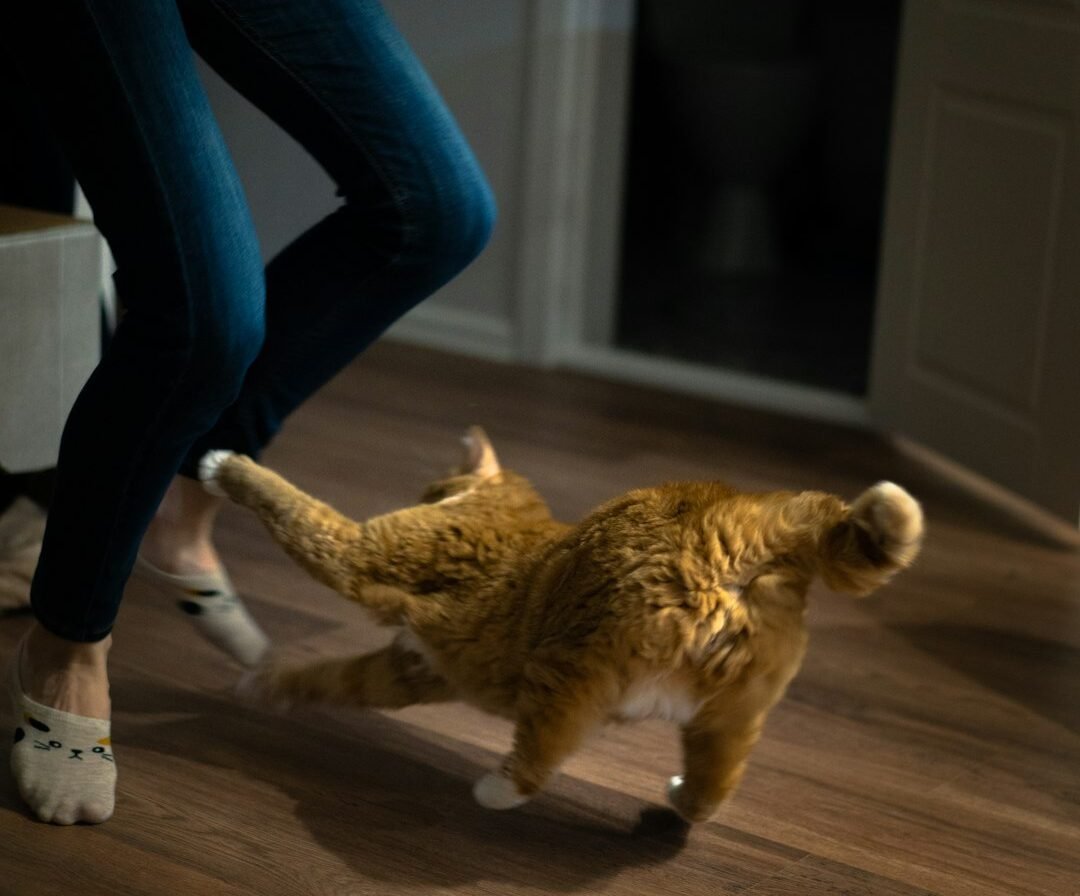
When your cat attacks your feet as you walk away, this is pure predatory drive. In the wild, predators are triggered by things running away from them. Walking away is one of the most effective ways to activate your cat’s chase response, which is why the classic “ankle ambush” tends to happen most predictably as you move through the house.
As you walk away, your feet are moving, which could mimic prey in your cat’s eyes, so they’ll get ready to pounce and attack your feet. The faster you move, the more the scenario resembles a fleeing animal. Your instinct to pull away actually makes the hunt feel more authentic from your cat’s perspective, reinforcing the behavior with every reaction you give.
The Blanket Attack Is a Whole Other Hunt

When you are under the covers and move your feet, the fabric shifts and rustles. To a cat, this doesn’t look like a human foot; it looks like a small animal scurrying under the brush. The “Blanket Monster” game is irresistible to them. They aren’t trying to hurt you; they are trying to “catch” the movement. It’s a remarkably convincing simulation of burrowing prey, and your cat’s brain treats it exactly that way.
When your feet are under a thick duvet, they are disconnected objects moving independently. The layer of fabric adds a tactile element that many cats enjoy sinking their claws and teeth into. It stimulates their instinct to dig and capture burrowing prey. So those late-night foot attacks aren’t random, they’re your cat pursuing what genuinely looks, sounds, and feels like prey hiding in cover.
Timing Is Everything: Why Dawn and Dusk Attacks Spike

Despite popular belief, domestic cats are not nocturnal. They are crepuscular, meaning they’re most active at twilight, dawn and dusk. The theory is that in the wild, a cat’s prey are most active at dawn and dusk. It makes sense for the predator to be most active at those same times. While domestic cats living in your home may no longer depend on hunting prey, they still have the natural instincts to be most active at dusk and dawn.
Time of day matters, with attacks often increasing during cats’ natural active periods at dawn and dusk when hunting instincts peak. Attacks frequently occur when cats have pent-up energy from insufficient daytime activity or stimulation. If your cat is most aggressive with your feet first thing in the morning or right before you go to bed, you’re catching them at their most biologically primed. It’s nothing personal. It’s the clock.
When It Signals Something Else Entirely
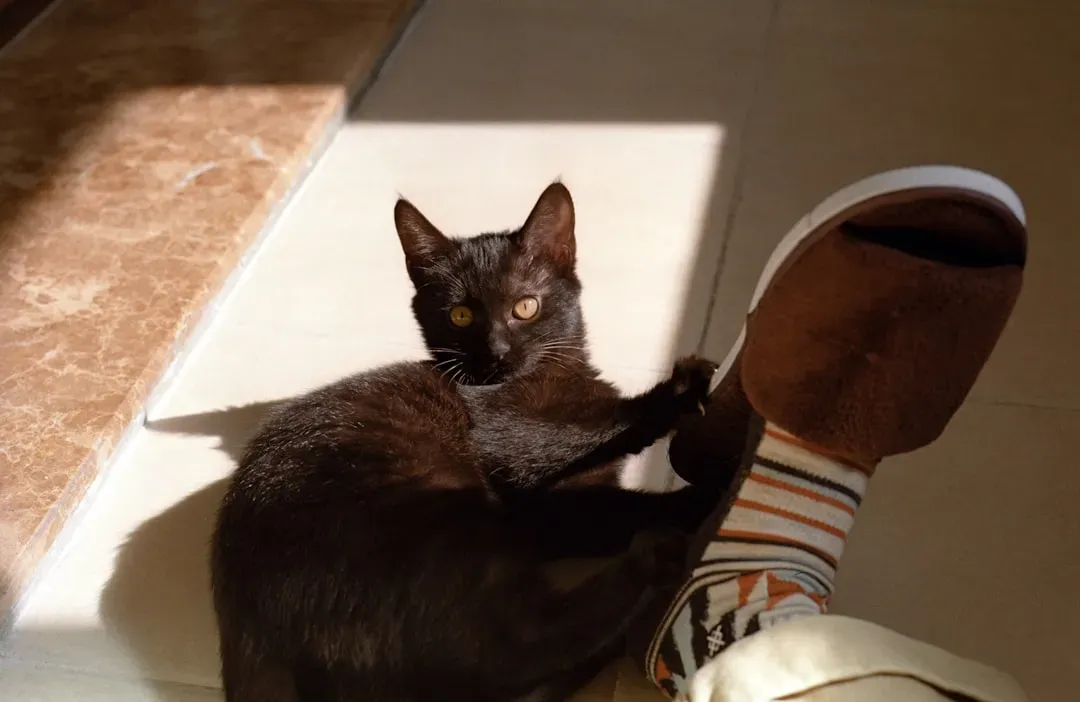
Body language during playful foot attacks typically includes forward-focused attention, dilated pupils, wiggling hindquarters before pouncing, and inhibited bite force. However, some foot attacks communicate different messages, including overstimulation during petting, redirected aggression from an external trigger, or genuine defensive behavior if the cat feels threatened. Knowing the difference matters, because the right response varies substantially.
In some cases, aggressive foot attacks might be related to underlying health issues. If your cat’s behavior seems sudden or out of character, it’s worth considering whether they might be experiencing discomfort or pain. Health issues such as arthritis or other medical conditions can affect a cat’s behavior. Regular veterinary check-ups are essential for maintaining your cat’s overall health and addressing any potential issues that could be influencing their behavior.
What You Can Actually Do About It
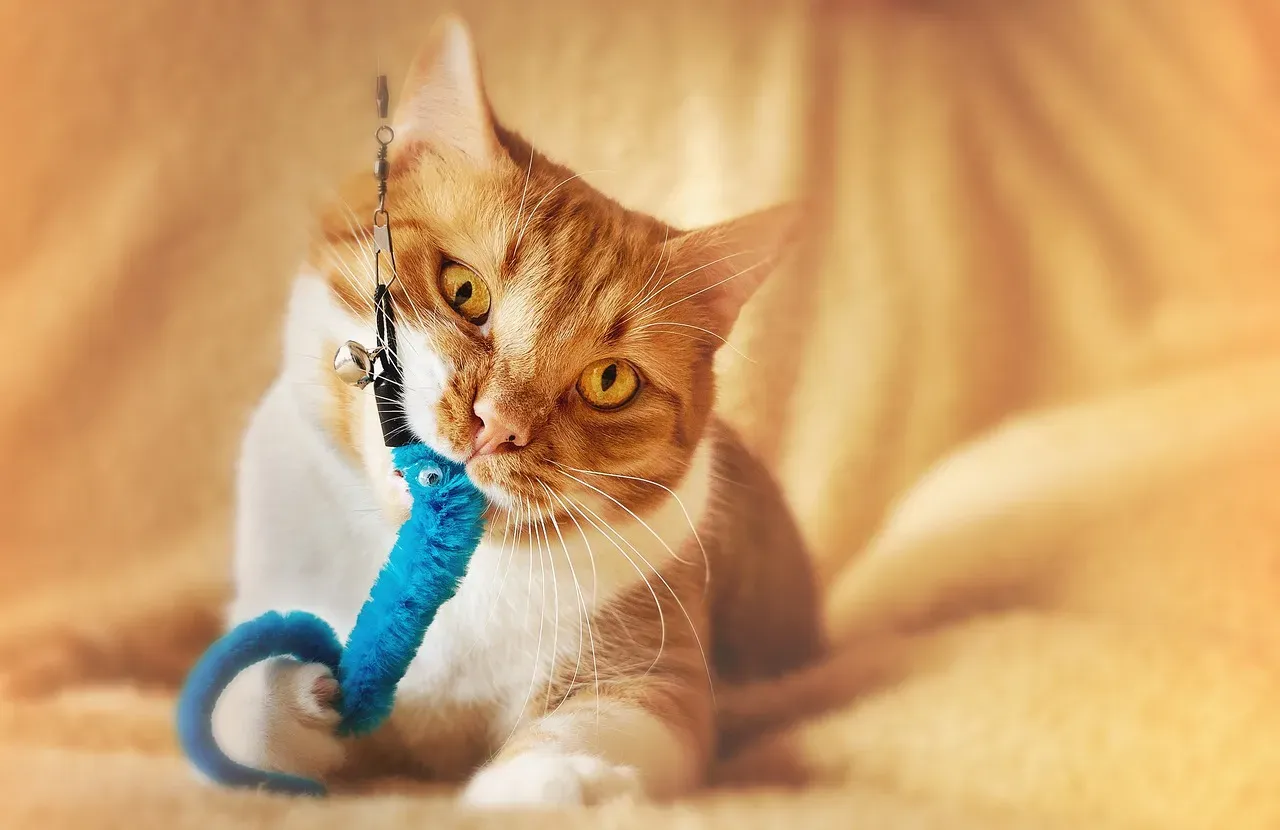
Cats are visually hardwired to detect movement. When you walk, your feet trigger an automatic neural loop: see motion, focus gaze, prepare to strike. This is the same reason cats chatter at birds; it is a physical “leak” of predatory energy. You can’t eliminate that loop, but you can redirect where it fires. Giving your cat an appropriate target while keeping your feet off the menu is the practical goal.
Short, frequent play sessions most closely resemble a cat’s natural predatory pattern. Choosing toys that look and feel like their natural prey increases engagement. Using your hands and feet to play with your cat is a no-no, so utilize fishing pole toys that you can wave around or something that you can throw for them to chase. These types of toys mimic the movements of prey, as well as keep your cat’s teeth and claws away from your feet and other body parts.
Conclusion
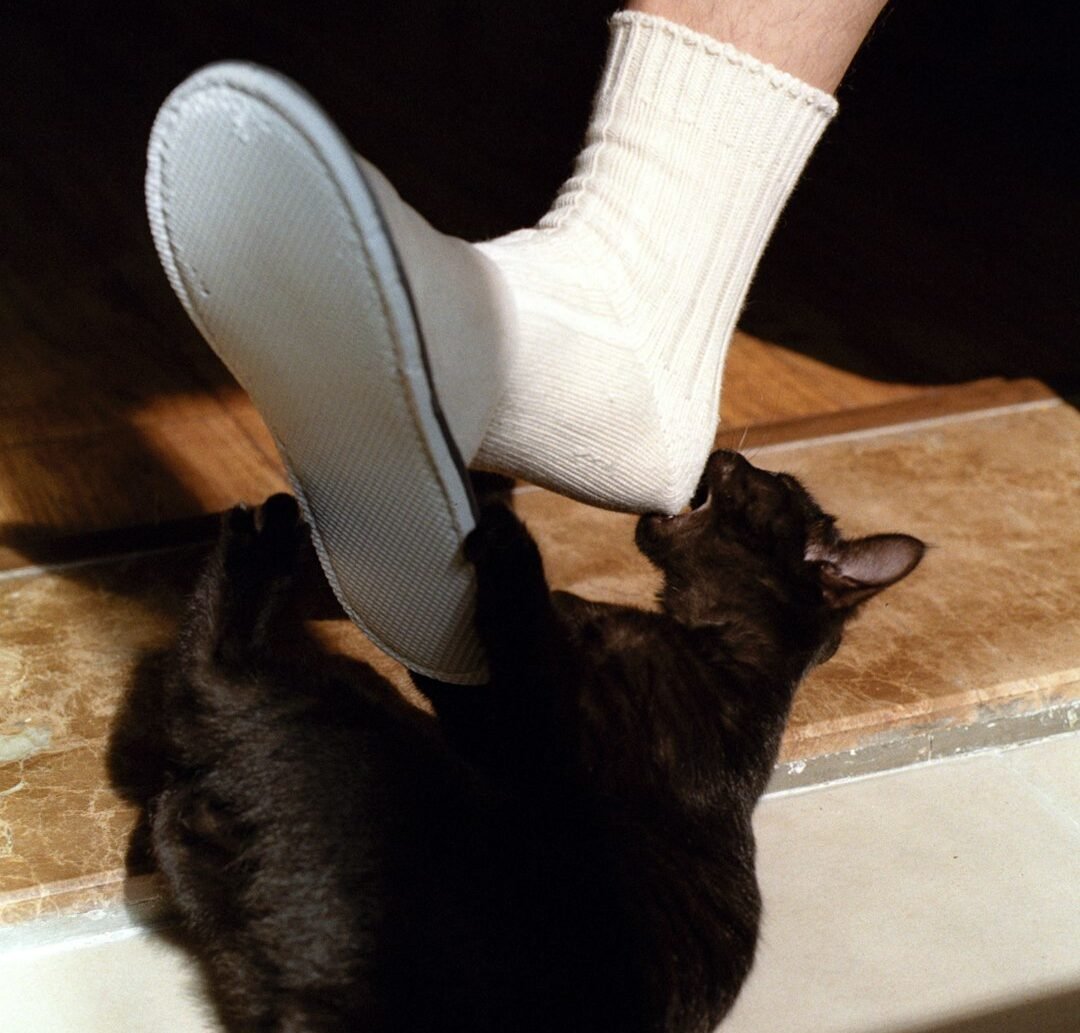
Your cat isn’t being difficult or aggressive when it hunts your feet. It’s being precisely what it was built to be: a small, highly capable predator navigating a world that no longer offers real prey. Every stalk, every waiting crouch, every perfectly timed pounce on your unsuspecting ankle is a product of millions of years of refinement.
The most useful shift you can make is treating that instinct as something to redirect rather than something to punish. Once you start seeing the ancient hunter instead of the misbehaving pet, managing the behavior becomes far more intuitive, and honestly, a little more impressive. Your cat is working with evolutionary programming that has barely changed since before the first human ever thought to let one inside. That deserves at least a little respect, even at six in the morning.
Kristina is a young writer from India. An arts graduate and an avid content creator, Kristina is passionate about animals and wildlife. She enjoys exploring topics related to pet care, animal behavior, conservation, and nature, combining thorough research with engaging storytelling.