You’ve probably watched your cat reach out, tap something gently, or press their paws into your lap with that slow, rhythmic motion, and thought little of it. It feels routine. Ordinary. When a cat reaches out by tapping your arm, kneading your lap, or brushing against you with quiet intention, it’s such a common part of living with a cat that we barely question it, yet it’s full of intention.
The truth is, your cat’s paws are doing a lot more than just walking across your keyboard at the worst possible moment. Cats use their paws as powerful tools for communication. Unlike dogs, who often rely heavily on vocalizations and tail movements, cats convey much of their feelings and intentions through their paws, revealing everything from comfort and playfulness to fear and aggression. Once you start reading what those small movements actually mean, the whole relationship shifts.
The Language Living in Your Cat’s Paws
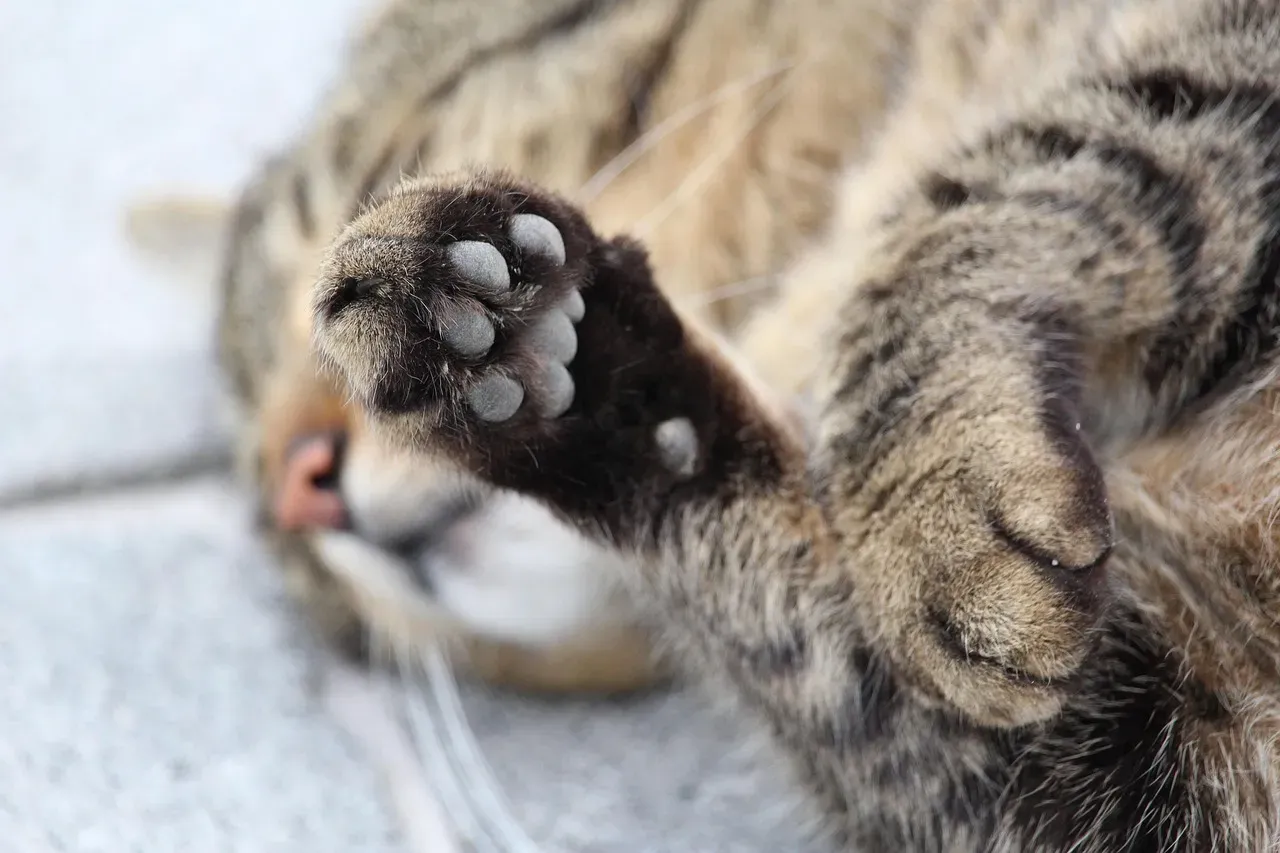
A cat’s paw is not just a physical appendage for walking or hunting – it’s an expressive instrument. The way a cat moves, positions, or uses its paws can tell you volumes about how it feels in any given moment. That subtle flick, that slow press, that sudden swipe – each one carries weight.
Cats, like human beings, reveal their inner states through their body language. You just need to know where to look, and the paws are one of the most honest places to start. Context matters hugely in interpreting any animal behavior – and cat paws are no exception. A single gesture can mean different things depending on where your cat is, who’s around, and what else it’s doing at the time.
Kneading: The Comfort Signal That Goes Back to Kittenhood
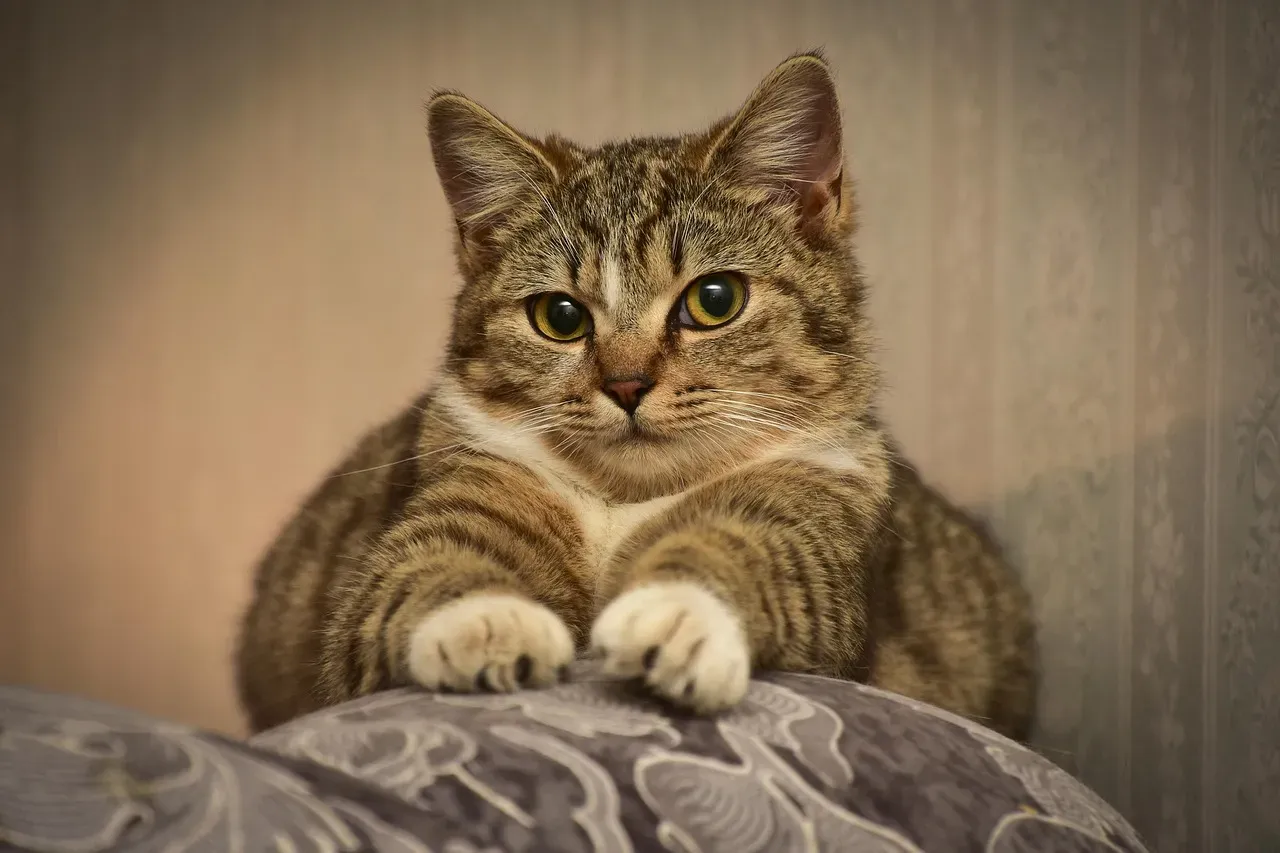
Kneading, often referred to as “making biscuits,” is a behavior frequently observed in domestic cats where, when a cat feels at ease, it may push out and pull in its front paws against a surface such as furniture or carpet, or against another pet or human, often alternating between right and left limbs. Each stroke is accompanied by a grasping motion of the claws as if the cat were kneading dough.
Kneading may have an origin going back to cats’ wild ancestors who had to tread down grass or foliage to make a temporary nest in which to rest. Alternatively, the behavior may be a remnant of a newborn’s kneading of the mother’s teat to stimulate milk secretion. So when your cat presses those paws into your lap with quiet focus, they’re drawing on something far older than your living room couch. It’s pretty safe to assume a cat who is kneading is feeling calm, content, and ready to settle down.
The Gentle Tap: Your Cat Is Trying to Get Your Attention
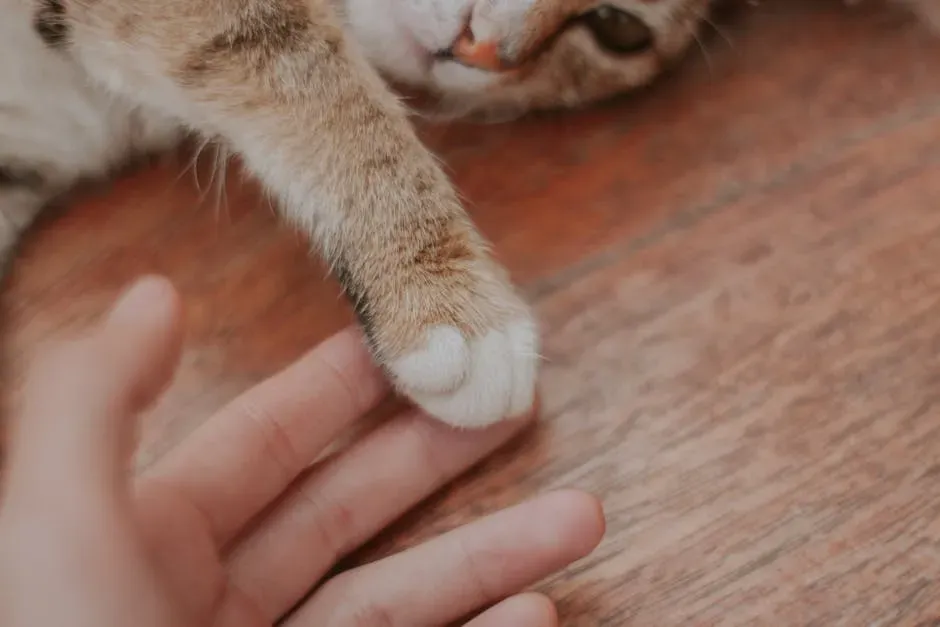
Paw tapping is usually a sign of curiosity or an attempt to gain attention. This light, deliberate movement helps cats explore their environment or communicate their interest in something nearby. You might notice it when you’re typing, reading, or simply sitting still. Your cat reaches out, makes brief contact, and waits. That’s not an accident.
Cats use their paws to communicate with you. They use paw taps when they are looking for affection, playing, or marking their territory. Cats may also use their paws to tell you what they need. If your cat paws at you and then goes to their food or water bowl, that may be a sign that they want food or water. It’s a pretty efficient system once you tune into it.
Paws on Your Face: Affection With a Direct Delivery
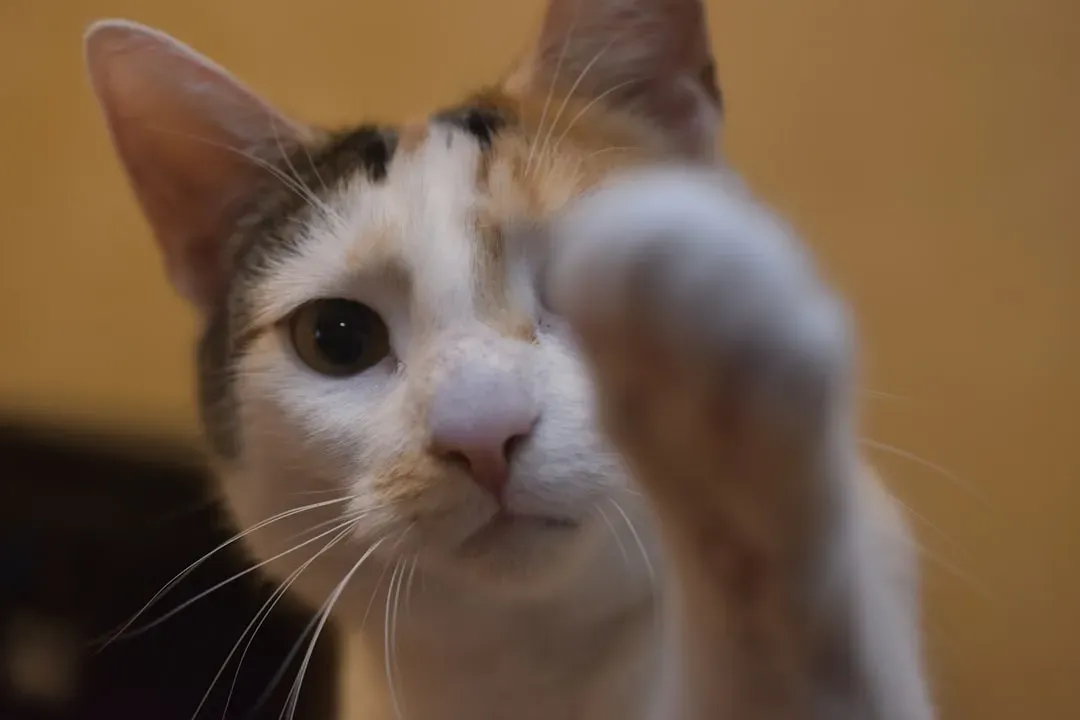
Cats will put their paws on your face if they’re trying to get your attention for something. Your cat could be wanting your attention for love, play, or food, and exploring the context around this behaviour is key to understanding the reason. It might feel intrusive at 3 a.m., but the intent is usually quite tender.
If you’re wondering why your cat puts its paw on your face with its claws retracted, rest assured that this is one of the many ways cats show affection and love. By gently putting its paws on you, your cat is communicating that they want to be close to you. Many cats combine paw reaching with direct eye contact or gentle vocalizations to enhance their message. This multi-channel communication strategy demonstrates the sophisticated ways cats have adapted to living with humans.
Swatting and Swiping: When the Paw Becomes a Boundary
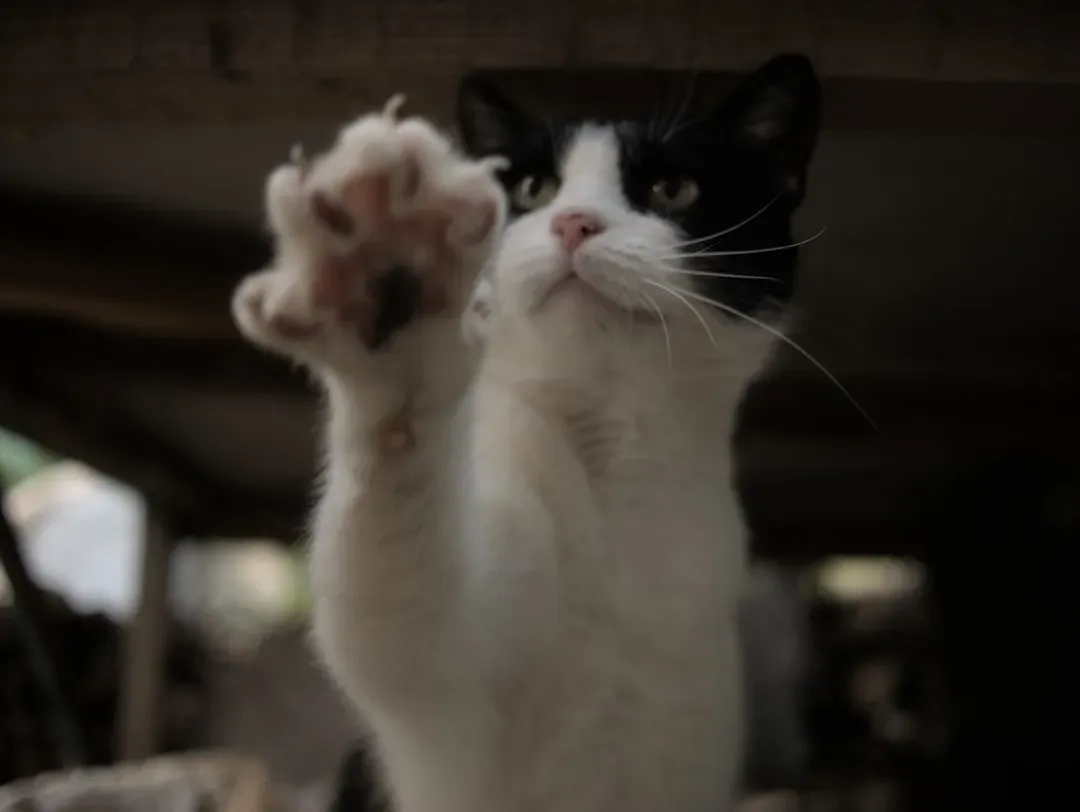
Swiping – when a cat swats at a person or animal with their paw, usually with their claws out – is often a warning sign that the cat is feeling overstimulated or even aggressive. This isn’t arbitrary misbehavior. A sudden paw swipe or swatting typically signals irritation or serves as a warning. Cats use this gesture to set boundaries without resorting to more aggressive behaviors like biting.
A cat’s paws and toe pads are incredibly sensitive. Just like their whiskers, their paws contain many nerve receptors. These receptors support a cat’s ability to balance, hunt, explore, and understand its surroundings. Overstimulation of those nerve-rich pads can trigger a sudden swipe – not out of malice, but simply because the sensation became too much. Watch for accompanying body language like flattened ears or dilated pupils to determine if swatting is playful or defensive.
The Raised Paw: Hesitation Caught in the Air
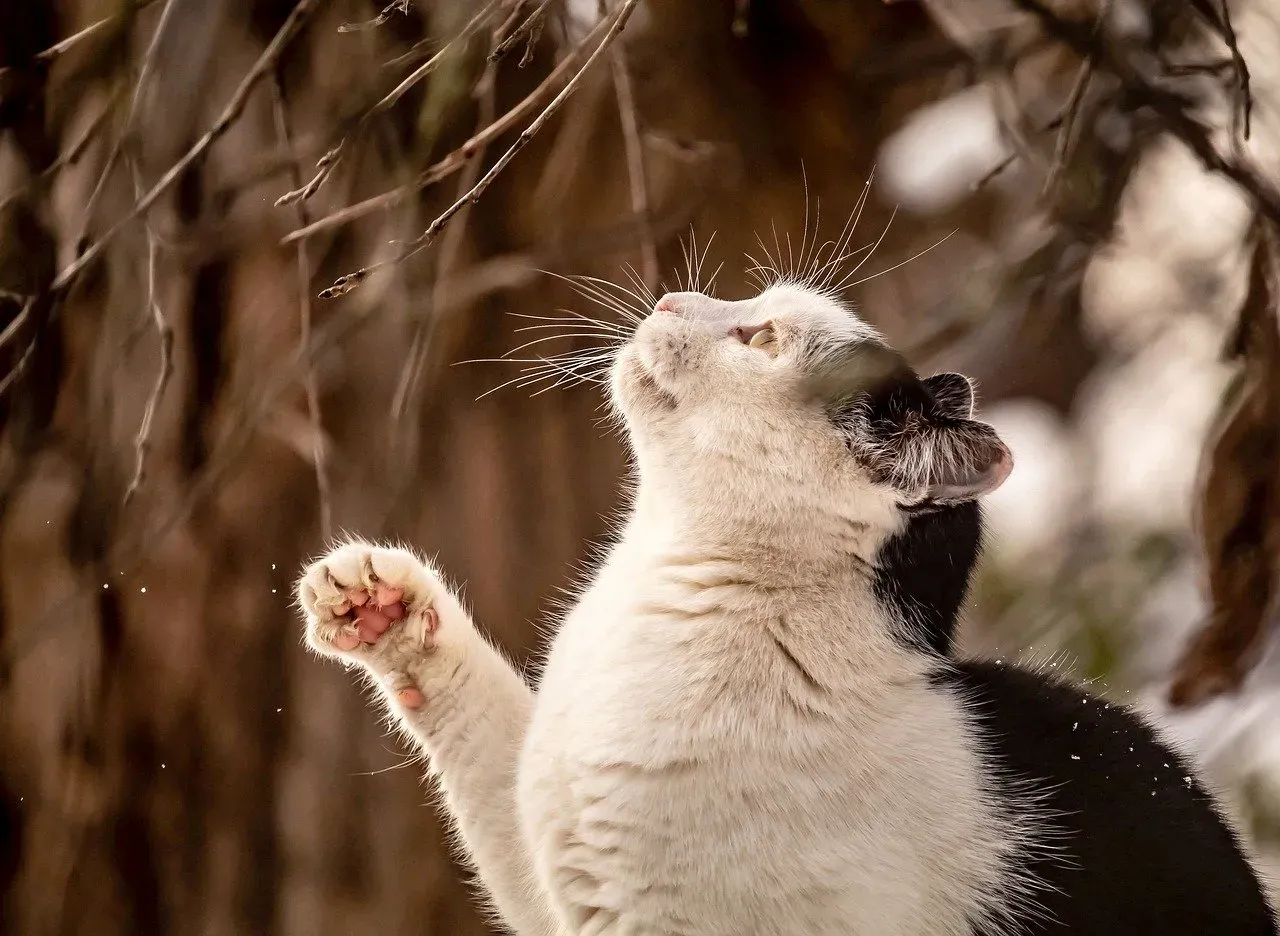
When a cat holds one paw off the ground, it often indicates hesitation or uncertainty. You might see this moment-long pause before your cat decides whether to approach something new, or right before they back away from a situation that doesn’t feel right. When a cat lifts one paw off the ground but doesn’t immediately move forward, it usually indicates hesitation.
This gesture also appears during hunting behavior as cats prepare to pounce while fixating on prey or toys. It shows intense focus combined with caution. So the next time your cat freezes with one paw mid-air, they’re not being dramatic – they’re genuinely calculating. That brief stillness speaks volumes about how carefully cats assess the world before committing to a move.
Scent Glands in the Paws: The Invisible Message System
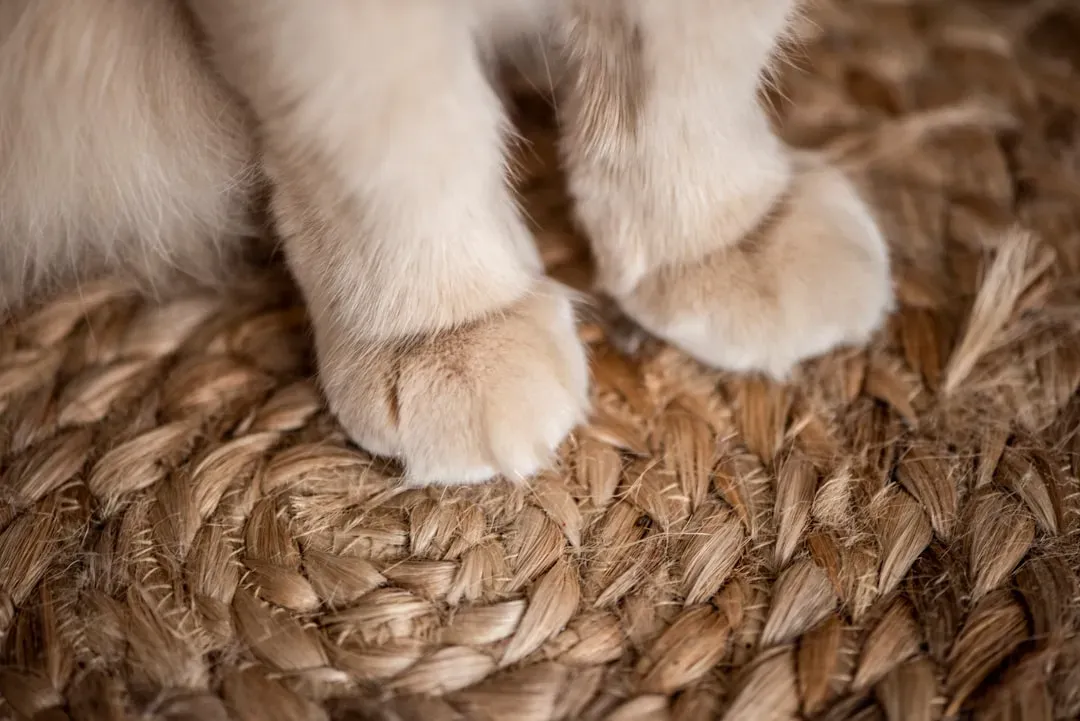
Cats release pheromones from glands in their paws when they scratch, as well as leaving signs of physical destruction. This means every time your cat drags their paws across the arm of your sofa, they’re not just maintaining their nails – they’re writing a message in a language only other cats can fully read. Paw pheromones are released when a cat scratches a surface, and they help communicate messages such as “this is my territory” or “I am relaxed and calm.”
The presence of scent glands in their paws makes this touch extra special. When cats reach out, they’re not just showing love – they’re also marking you as part of their trusted circle through scent transfer. Cats can communicate fear, stress, and even happiness through scent. That slow kneading on your lap, then, carries layers of meaning that you can’t even smell – but your cat absolutely knows is there.
Playful Paws Versus Paws That Signal Pain
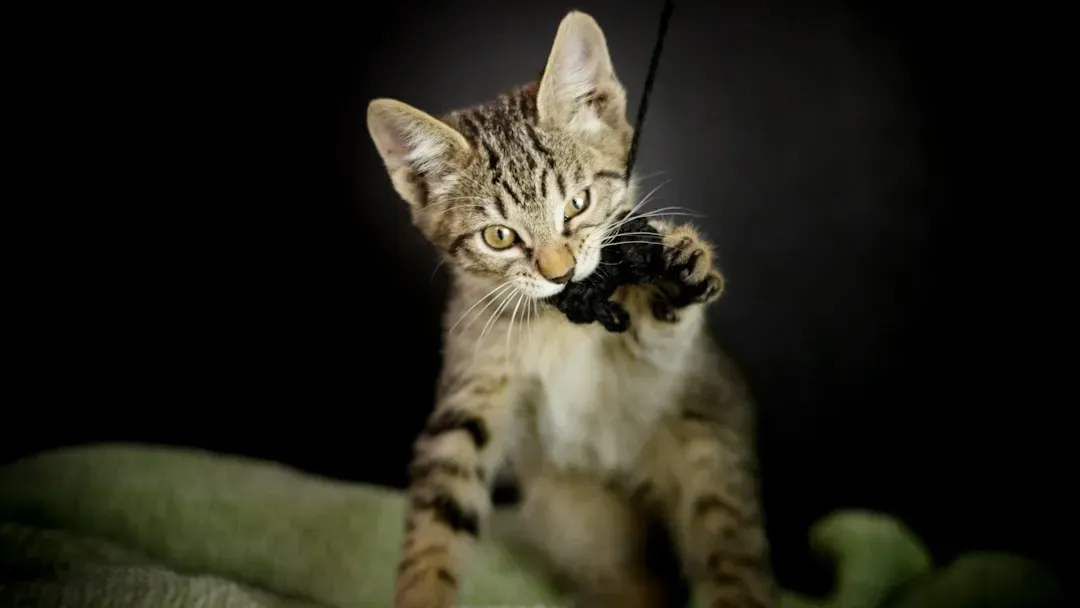
Kittens swat and slap as part of their natural play behavior, which often includes pouncing, biting, and chasing. As they age, most cats will learn to tone down their playfulness, though some never do. Even adult cats will swat and slap from time to time when they’re feeling extra playful or trying to encourage you to play with them.
Swatting in a cat that does not have a history of swatting can happen as a sign of illness or pain. Cats tend to mask their pain and sickness, so small behavioral changes like abruptly lashing out and slapping other cats or people might be the first sign of something wrong. Chronic pain in cats like osteoarthritis and degenerative joint disease are two major culprits for sudden aggressive behavior in cats like swatting. So a shift in how your cat uses their paws is always worth paying attention to.
Reading the Whole Picture: Context Is Everything
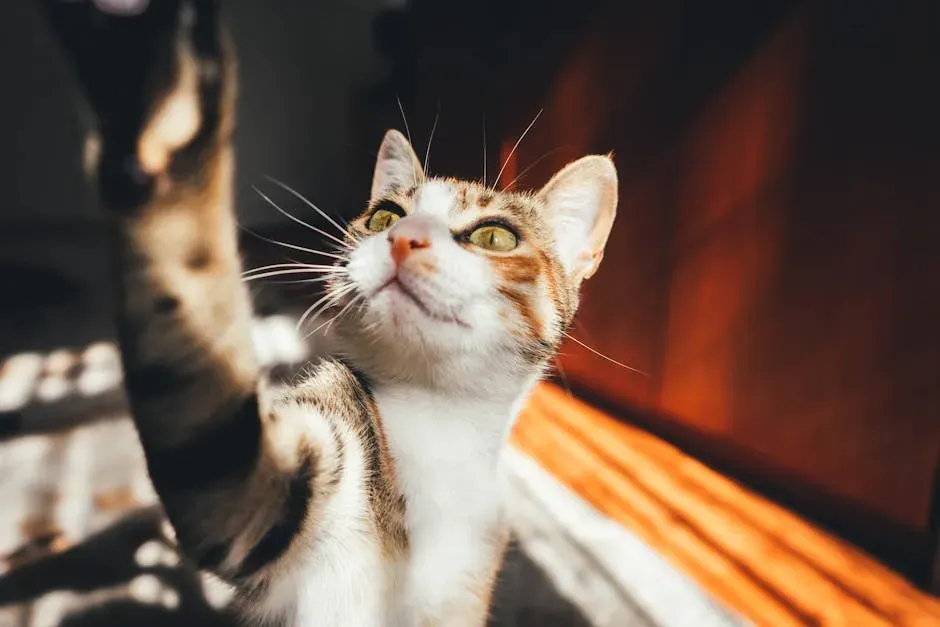
A cat’s body language and behaviors should be looked at as part of a single big picture. By using the context of the entire situation, trying to see the situation from the cat’s point of view, and looking for subtle cues in body language, you’ll have an excellent chance at understanding what’s being communicated. A single paw movement rarely tells the whole story on its own.
A gentle knead during cuddle time almost always means love and trust. The same kneading behavior on a new blanket might be more about scent-marking than affection. A quick swat at another pet could be playful wrestling – or serious boundary-setting if accompanied by growling. The setting, the company, and the rest of your cat’s body all help you decode what that small paw movement is actually trying to say. Understanding cat communication through paw actions helps prevent misinterpretation and strengthens your relationship.
Conclusion
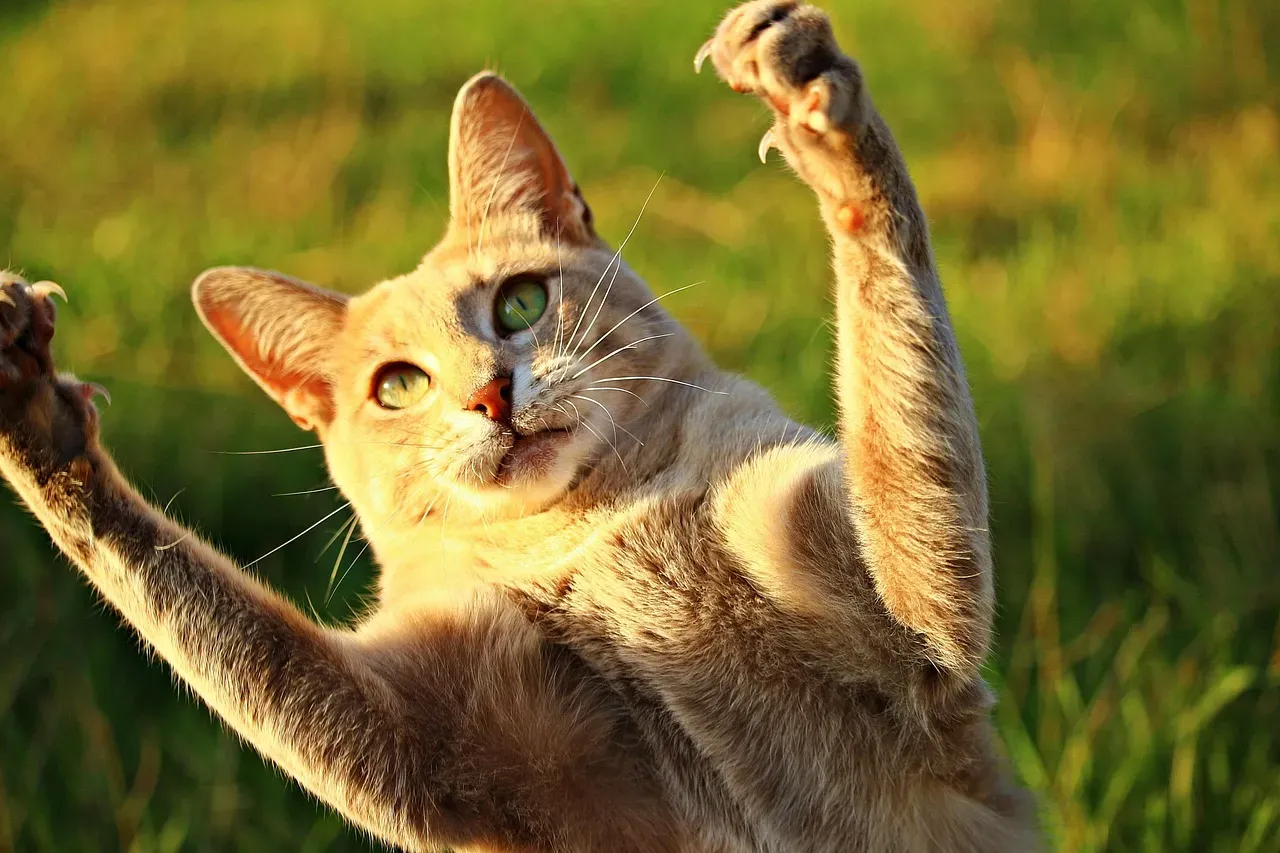
Your cat doesn’t have words for what they feel, but they have something just as precise – a body that speaks constantly and honestly. The paws, with their scent glands, sensitive nerve endings, and subtle range of gestures, form a core part of that language. Understanding a cat’s body language is essential for understanding their emotions and needs, which will make you a better cat parent and advocate for your cat’s well-being.
The more you observe without rushing to judge, the more you realize that even the tiniest flick of a paw carries intention. It might be comfort, curiosity, affection, or a politely delivered warning. Cats are excellent communicators if you know what to look for. From the soft purring when they’re content to the swish of their tail when they’re annoyed, your cat is constantly telling you exactly how they feel. You just have to decide to listen – and sometimes, the most important message arrives without a single sound.
Kristina is a young writer from India. An arts graduate and an avid content creator, Kristina is passionate about animals and wildlife. She enjoys exploring topics related to pet care, animal behavior, conservation, and nature, combining thorough research with engaging storytelling.