Cats have lived alongside humans for thousands of years, yet somehow they remain one of the most misunderstood creatures on the planet. Despite the growing preference for cats as companion animals, beliefs and misperceptions about them are still common, and cultural and sociodemographic aspects can influence society’s attitudes toward cats, affecting the way they are kept and cared for.
The result is a long list of myths that have quietly shaped how you think about your cat’s behavior, diet, emotional life, and health needs. Some of these myths are simply harmless misunderstandings, but others can lead to genuinely poor decisions. Due to their history, there are still plenty of cat myths that can have dangerous consequences. It’s worth knowing which is which.
Myth 1: Cats Are Cold, Aloof, and Don’t Bond With Their Owners

This is probably the most widespread assumption about cats, and it’s one that frustrates feline researchers. You might have heard it said that cats are only around you for the food, and that they don’t actually care about you as a person. The science tells a very different story. Dr. Kristyn Vitale, a feline researcher who studied for her PhD at the University of Oregon, published research showing that cats develop attachments to their caregivers in much the same way dogs do.
The study placed cats in an unfamiliar environment, where they spent two minutes with their human caretakers, then two minutes alone, followed by a two-minute reunion. Cats with a secure attachment to their human caregivers showed reduced stress while the caregiver was present. In other words, your presence genuinely matters to them. Sadly, viewing cats as asocial can harm them, as their caretakers are less likely to provide affection, exercise, hair brushing, toys, and veterinary care. That’s a real cost that comes from believing a myth.
Myth 2: Cats Are Nocturnal Animals
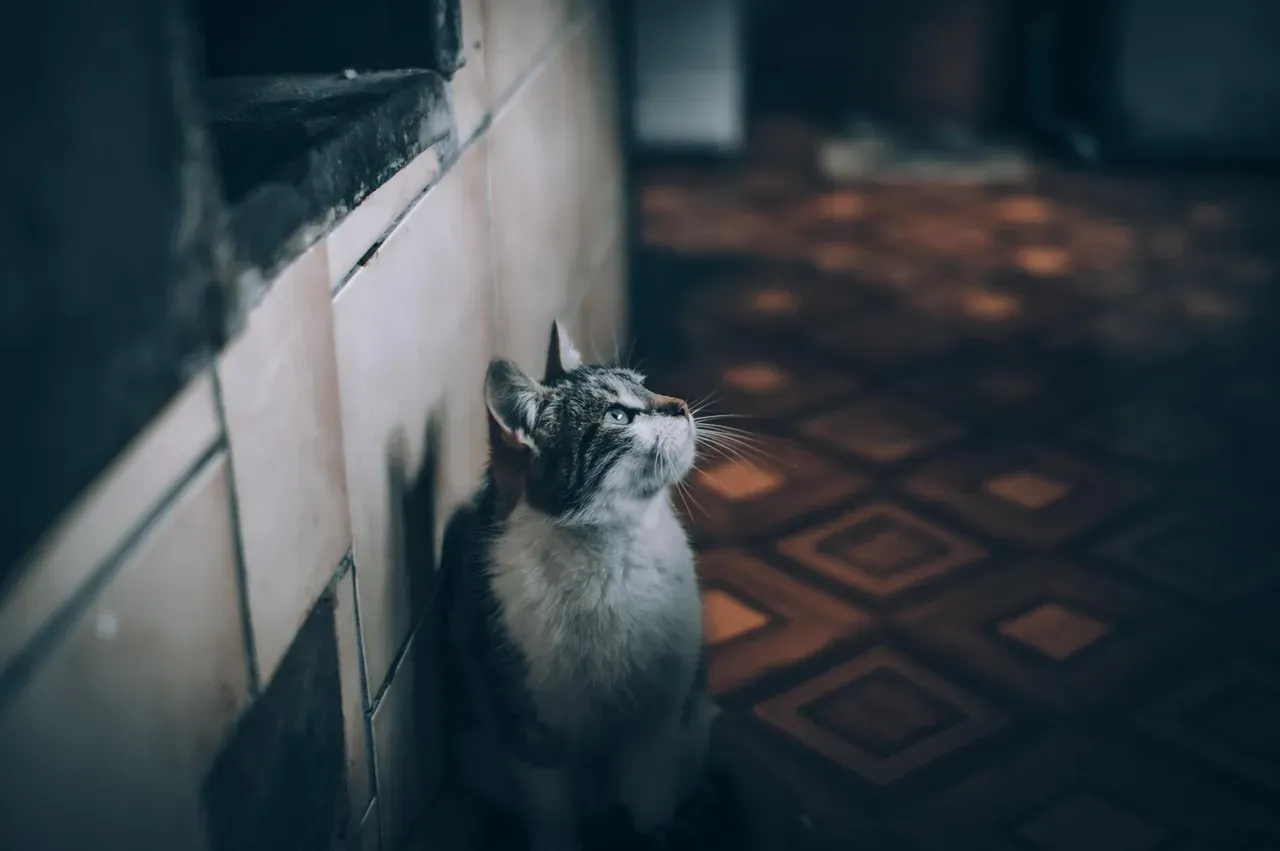
If your cat has ever launched itself across your bed at three in the morning, it’s easy to assume the worst. You’d be forgiven for thinking cats are creatures of the night. But that assumption is actually incorrect. Cats are actually crepuscular, which means they are most awake at dusk and dawn, because in nature their natural prey is awake at those same times.
A lot of people think that cats don’t sleep at night, and it’s true that their sleep schedule isn’t exactly aligned with that of humans. The average cat will sleep in the middle of the day and, in some cases, make a lot of noise while their humans are trying to get to sleep. However, that’s not the same as being nocturnal, which means sleeping during the day and being awake at night. If your cat’s evening antics are a problem, consider a play session right before bed and feeding them a small amount, as this can re-create the natural hunting cycle, allowing them to ease into the evening.
Myth 3: Cats Always Land on Their Feet
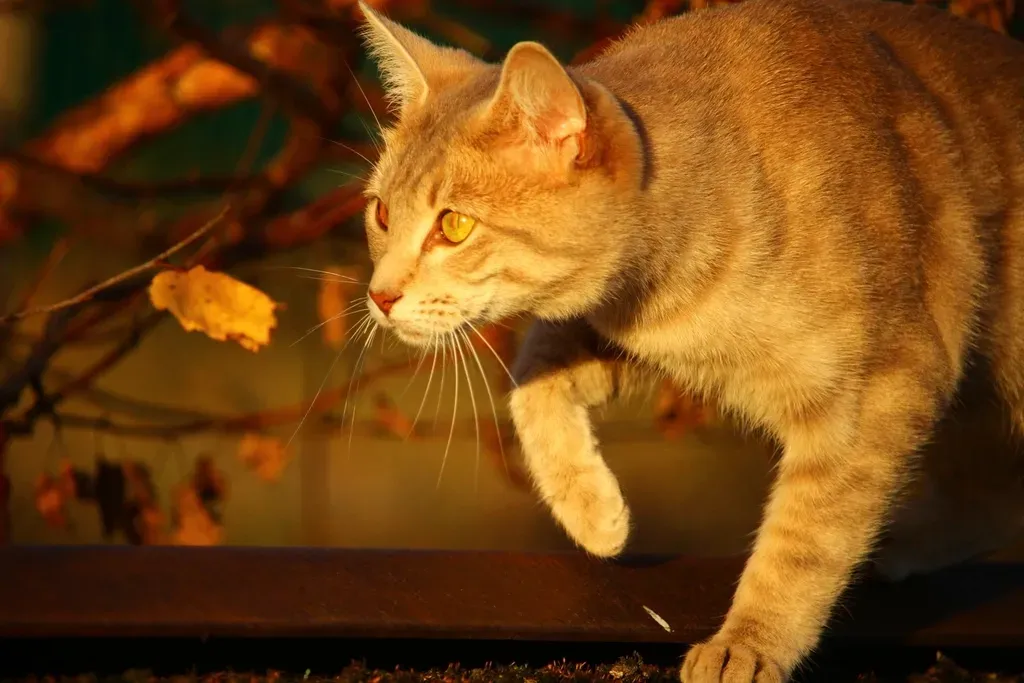
You’ve probably repeated this one yourself. It sounds reassuring, and there is a kernel of truth buried inside it. Cats possess a righting reflex that allows them to twist quickly and manipulate their bodies when falling, and their ultra-flexible backbones also contribute to this process. However, they don’t always land on their feet and can get hurt from falling.
Veterinarians use the term “high-rise syndrome” to describe cat injuries sustained from falls, which includes sprains, bone fractures, and even respiratory issues. Contrary to popular belief, cats are more apt to be injured from low heights than high, because they don’t have time to turn or twist their bodies into the necessary position for a safe landing. The myth is not just wrong; it can make you complacent about real dangers in your home.
Myth 4: Cats Love Milk and It’s Good for Them
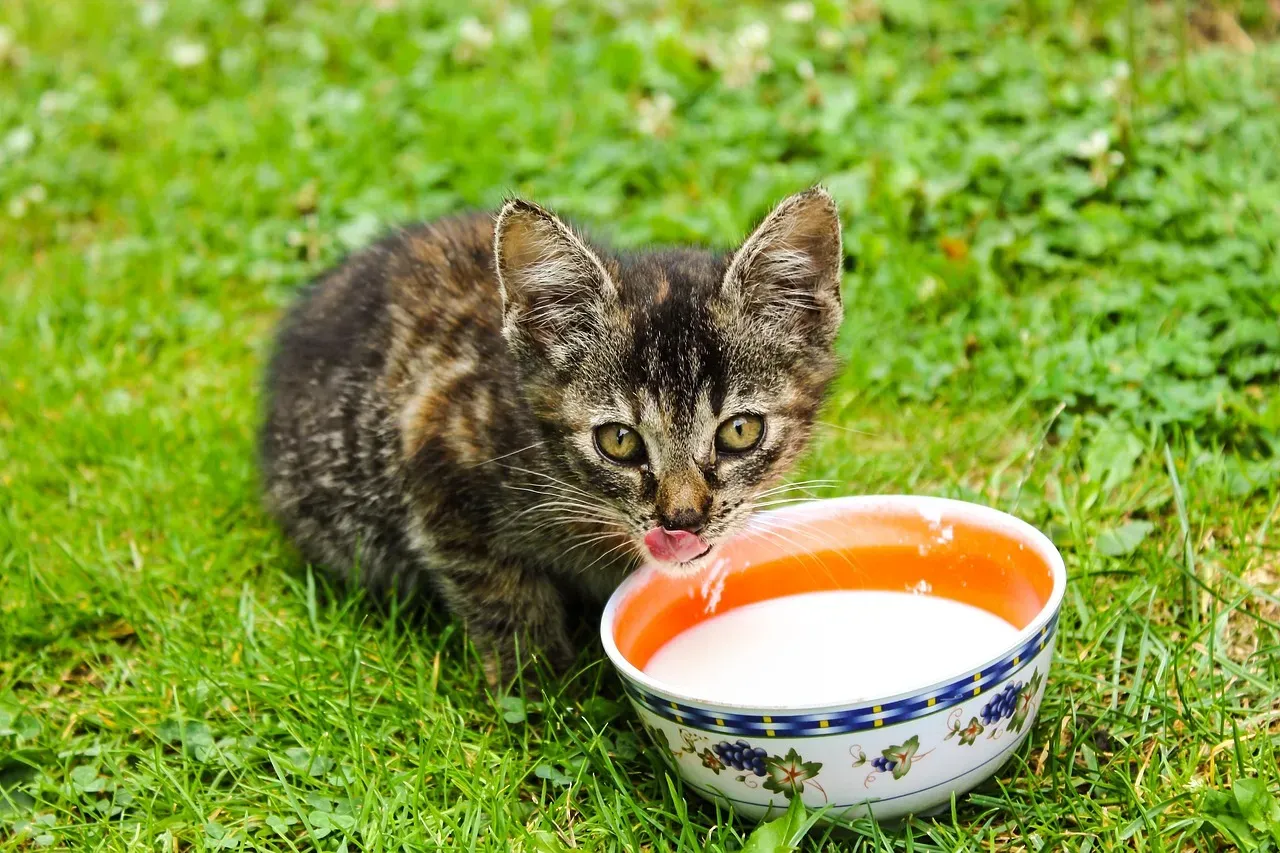
Those classic images of a cat happily lapping cream from a saucer have done a lot of damage over the years. The visual is charming, but the reality is far less cozy. The majority of cats are lactose intolerant. After weaning at around six to twelve weeks of age, kittens stop producing the enzyme lactase, which is required to digest lactose in milk, meaning that for the vast majority of cats, they are lactose intolerant.
While kittens can digest cow’s milk, cats lose the enzyme necessary to digest milk as they age and become naturally lactose intolerant. Feeding a cat milk does not provide the right nutrients and may cause diarrhea or vomiting. You might think your cat enjoys it because she drinks it eagerly. The truth is that cats are quite good at hiding digestive discomfort, which makes this myth especially worth remembering.
Myth 5: Purring Always Means Your Cat Is Happy
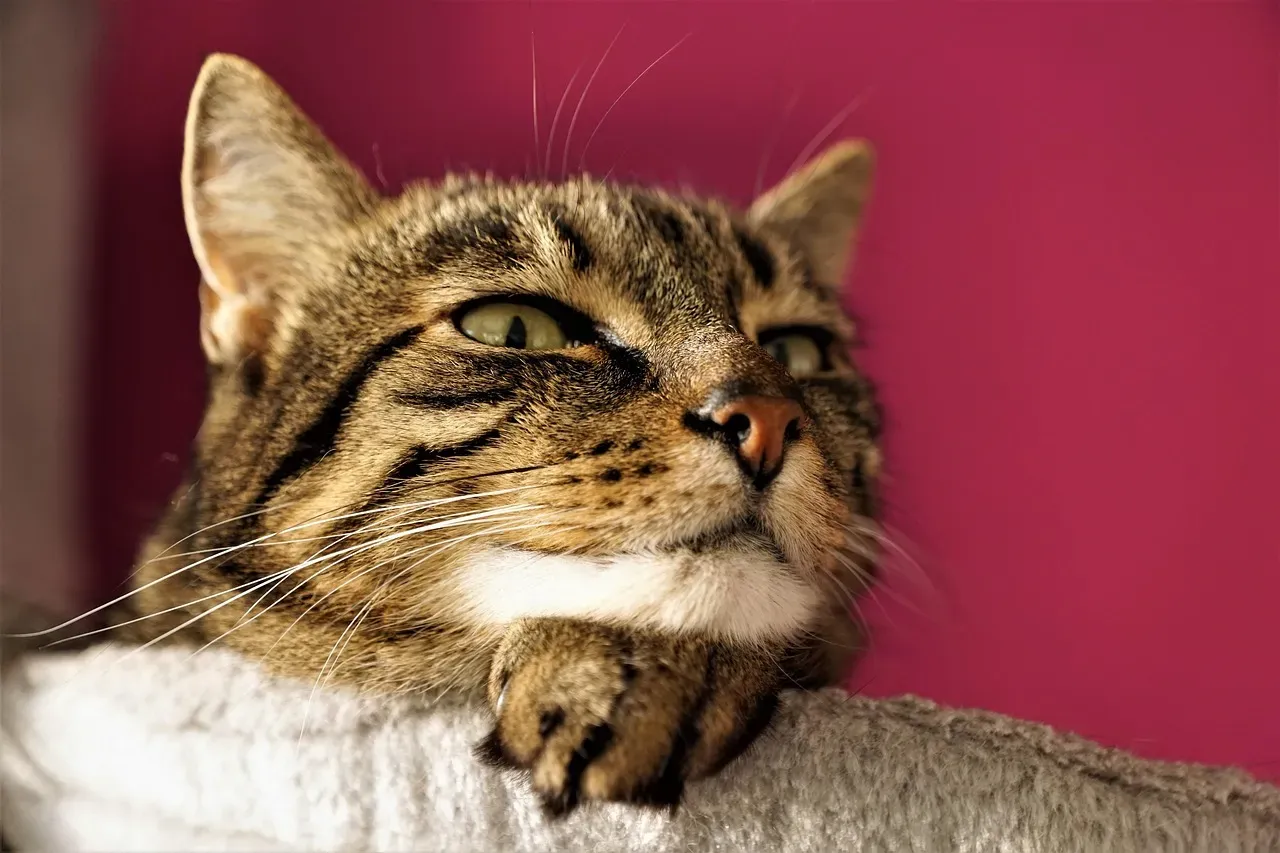
Purring is one of the most recognizable sounds a cat makes, and it’s almost universally assumed to be a sign of contentment. That assumption is only partially correct. While it’s common knowledge that purring indicates a happy, content kitty, the truth is more complex. Cats do purr when they’re relaxed and comfortable, but they also purr to self-soothe when stressed, sick, or in pain.
According to the American Animal Hospital Association, purring can express contentment but can also mean a number of other things. In some cases, cats purr when they’re stressed, as it can be a way of self-soothing. Cats also purr when they’re in pain for the same reason, and have been known to purr as a way to ask for food, or as a way to help themselves fall asleep. Watching your cat’s body language alongside their purring gives you a much clearer picture of how they actually feel.
Myth 6: Cats Are Low-Maintenance Pets That Take Care of Themselves
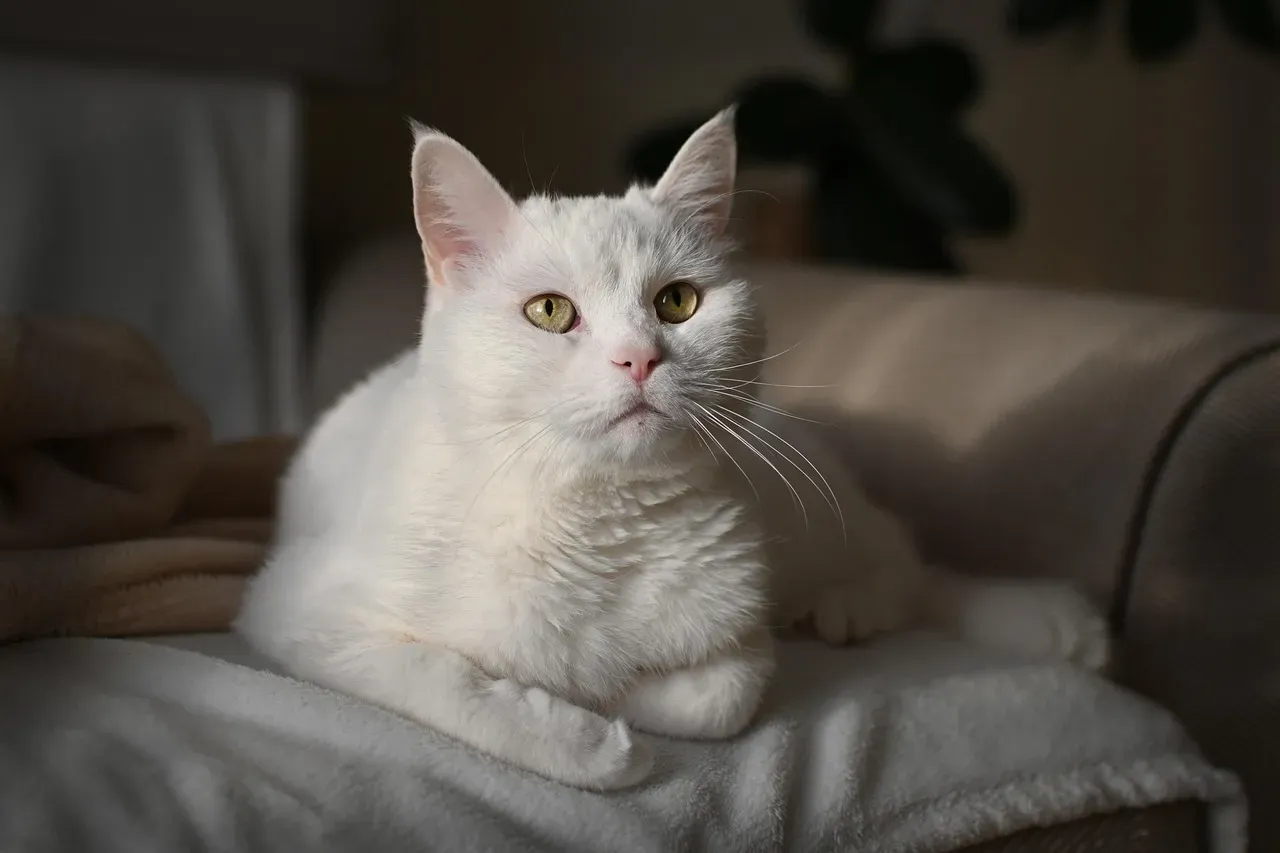
This one is perhaps the most consequential myth on this list, especially for people considering getting a cat for the first time. The idea that a cat is a “set it and forget it” kind of companion doesn’t hold up to scrutiny. Cats are not low-maintenance pets. Cats that are housed exclusively indoors need a lot of enrichment in order to stay happy and healthy, and things like sunny windows, interactive cat toys, quality food, and clean litter boxes all matter enormously.
Many people misjudge cats as loners and think that if you set them up with an automatic feeder and enough water, you can leave them home alone for a few days. But cats can get separation anxiety just like dogs. They crave attention and love having their family around, even though they may not show it in the most obvious way. Cats aren’t easy, they’re just quieter about their needs than dogs are.
Myth 7: Indoor Cats Don’t Need Regular Vet Visits
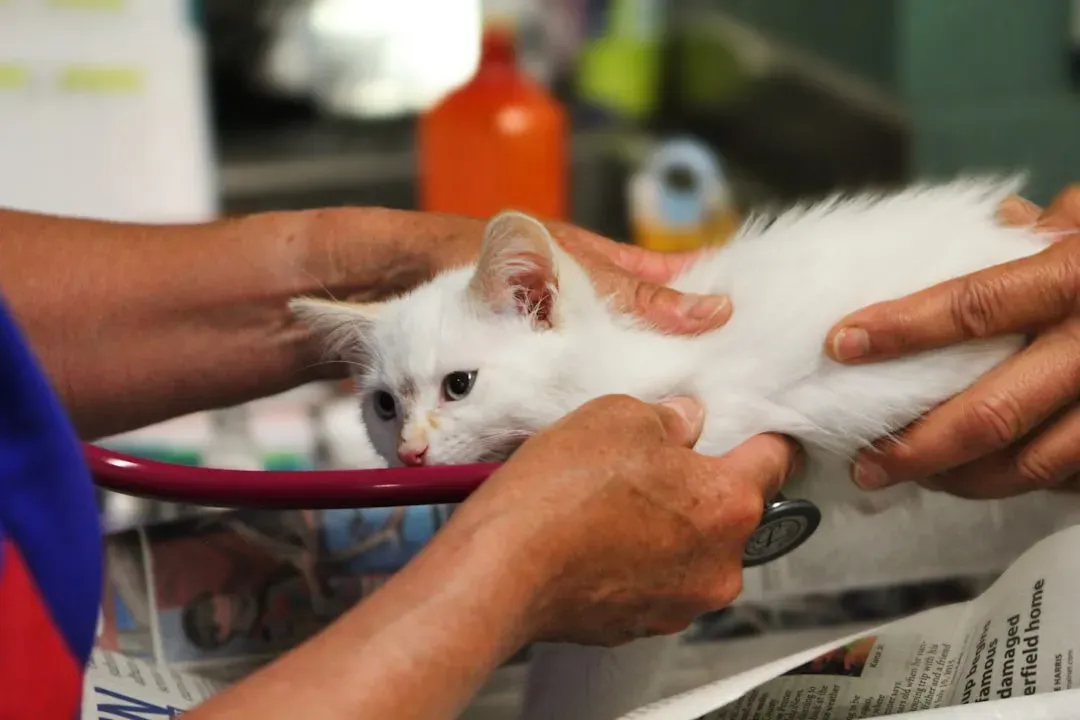
There’s a quiet logic to this one that makes it easy to fall into. If your cat never goes outside, what could possibly go wrong? Quite a lot, as it turns out. Current vaccine recommendations for indoor cats state that all kittens should receive their primary vaccinations against cat flu viruses. The cat flu viruses are hardy and can enter a house on inanimate objects such as someone’s shoe, meaning that even if your cat never goes outside, they can still be at risk.
While many cat owners don’t take their cats to the vet every year like they should, that doesn’t mean those visits aren’t necessary. Cats need just as many vet visits as dogs, and because cats are so adept at hiding their illnesses, they might be sick without you even realizing it. That’s why it is usually best for cats to get a checkup at least once a year, but it should be every six months for senior cats.
Myth 8: Cats Are Solitary and Don’t Need Companionship
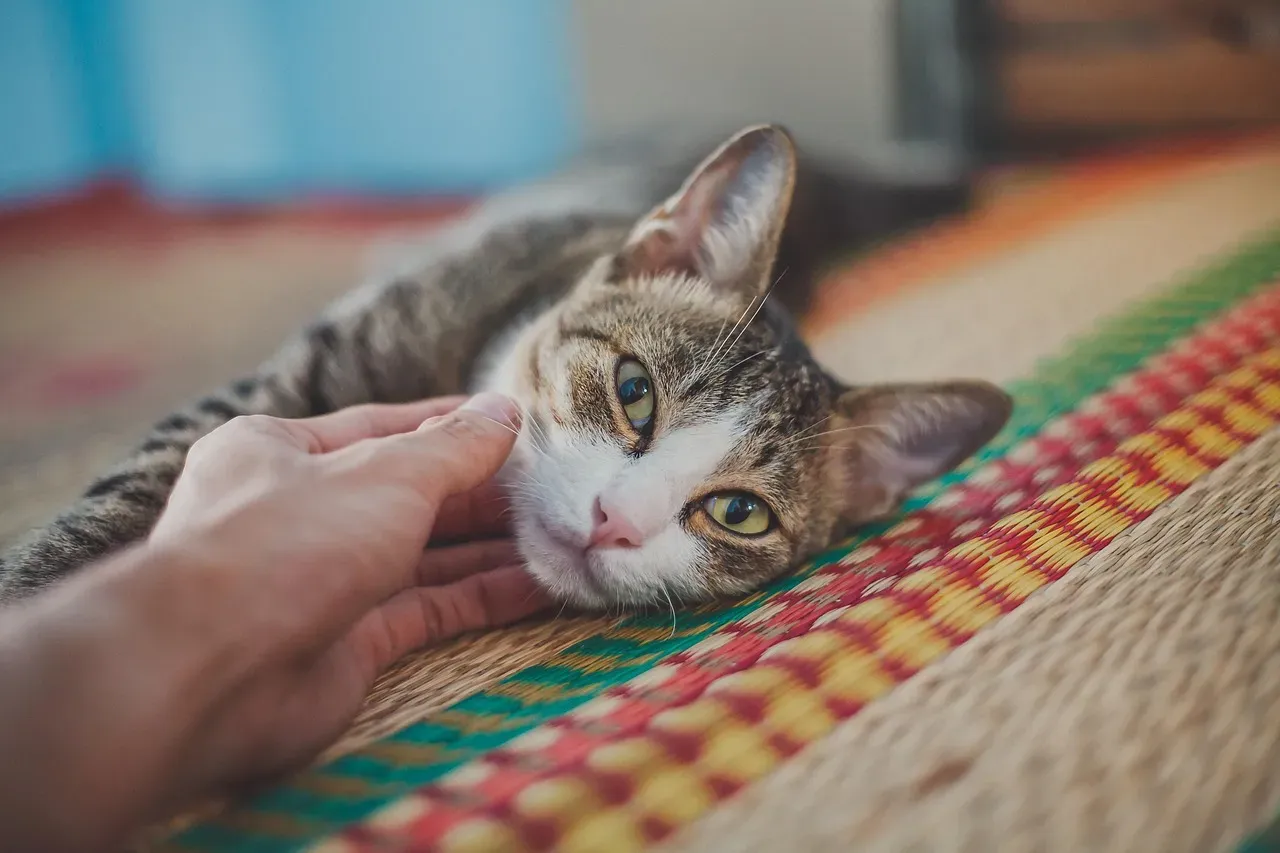
It’s a deeply rooted assumption. Cats are independent, and therefore they’re fine alone. This thinking conflates independence with indifference, and the two are not the same thing. Behavioral studies have shown that cats can form emotional bonds with their guardians and seek their company at specific times, demonstrating complex social behaviors, particularly in environments that favor interaction such as shelters, multicat houses, and free-ranging cat colonies.
Domesticated cats, while solitary creatures in some contexts, form close bonds with their human owners. They enjoy the companionship of their families and can even experience separation anxiety. People often fail to provide cats with enough stimulation, which is a direct consequence of underestimating just how much social interaction and mental engagement cats genuinely need to thrive.
Myth 9: Declawing Is a Harmless Procedure Like Trimming Nails
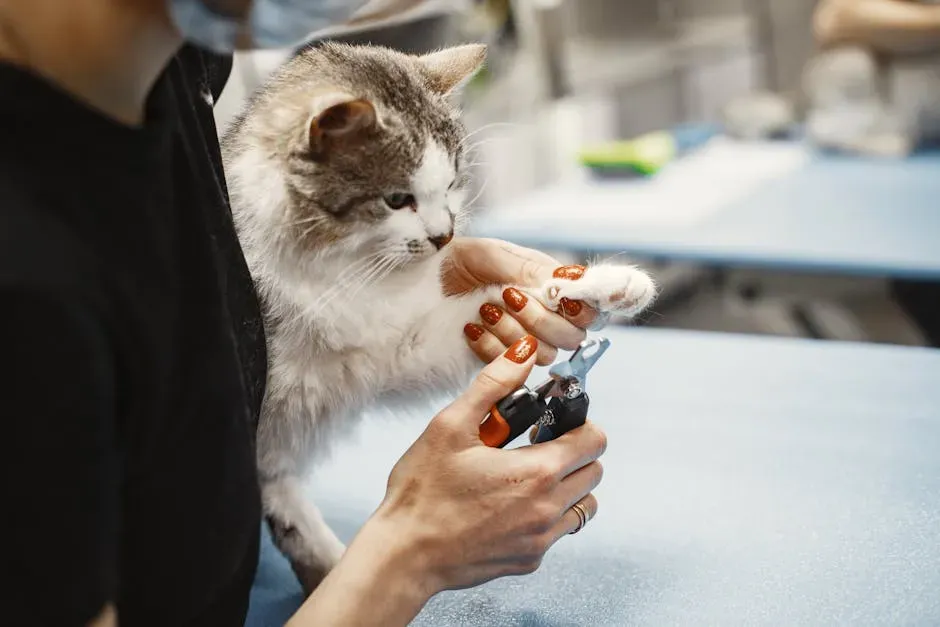
This myth has caused real harm to real cats, and it persists largely because the word “declawing” sounds so minor. It isn’t. Some people are under the impression that declawing a cat doesn’t hurt any more than trimming fingernails, but this is a grave misconception. Declawing is a surgical procedure done under anesthesia and involves amputating the third digit, which contains the nail. Many cats go on to develop chronic pain from arthritis, and many develop aggression because of this pain.
Among the most egregious feline myths is the idea that declawing cats by amputating the top knuckles of their toes is an acceptable, harmless norm. In reality, this excruciating procedure robs cats of vital mobility and self-defense abilities. Without claws for grasping, pain-free walking is impaired long-term, and behavior issues frequently arise post-declaw as well. There are humane alternatives for directing scratching activity, making amputation absolutely unnecessary.
Myth 10: All White Cats With Blue Eyes Are Deaf
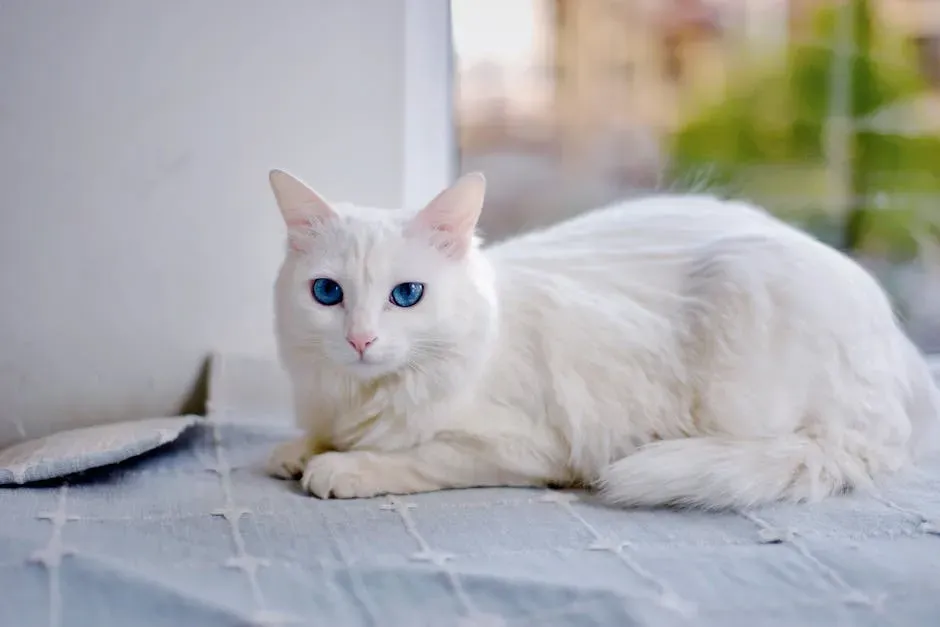
This one gets repeated so confidently that it feels like settled science. You’ve probably heard someone say it as though it were a simple fact. The reality is more nuanced. Among the most common feline myths is the assumption that all white cats with bright blue eyes must have impaired hearing. In truth, only white cats possessing two copies of the W gene that suppresses coat pigmentation sometimes suffer deafness.
Only white cats possessing two copies of the W gene that suppresses coat pigmentation sometimes suffer deafness. Having one W copy paired with a gene for non-blue eye color poses no deafness threat. So while there is a genuine genetic link worth knowing about, the blanket assumption that all blue-eyed white cats are deaf is simply not true. Genetics here is specific and conditional, not a sweeping rule.
Conclusion
Cats have been surrounded by myth and misunderstanding for centuries, and that history shows no sign of fading quickly. The persistence of these myths often stems from centuries of folklore, cultural traditions, and well-meaning but misguided advice passed down through generations. The good news is that you don’t need to keep believing them.
These myths can lead to misunderstandings about how to take care of cats, and understanding the facts promotes responsible cat ownership and helps strengthen the bond between you and your cat. Each myth you set aside is a small step toward a more honest and genuinely rewarding relationship with your feline companion. Cats are complex, surprising, and deeply worth understanding on their own terms, not the ones we’ve inherited from folklore.
Kristina is a young writer from India. An arts graduate and an avid content creator, Kristina is passionate about animals and wildlife. She enjoys exploring topics related to pet care, animal behavior, conservation, and nature, combining thorough research with engaging storytelling.