There’s a reason indigenous cultures across the Americas named this cat “he who kills with one leap.” The jaguar has earned every syllable of that reputation. It’s not the biggest cat on Earth, not the fastest, and yet field researchers consistently rank its ambushing abilities among the finest in the entire animal kingdom.
What makes the jaguar genuinely different isn’t any single trait. It’s the stacking of unusual abilities that, together, create a hunter without a true equivalent anywhere in the cat family. From its jaw to its relationship with water, nearly every aspect of how this animal hunts defies what you’d expect from a big cat.
A Skull-Crushing Bite Unlike Any Other Big Cat
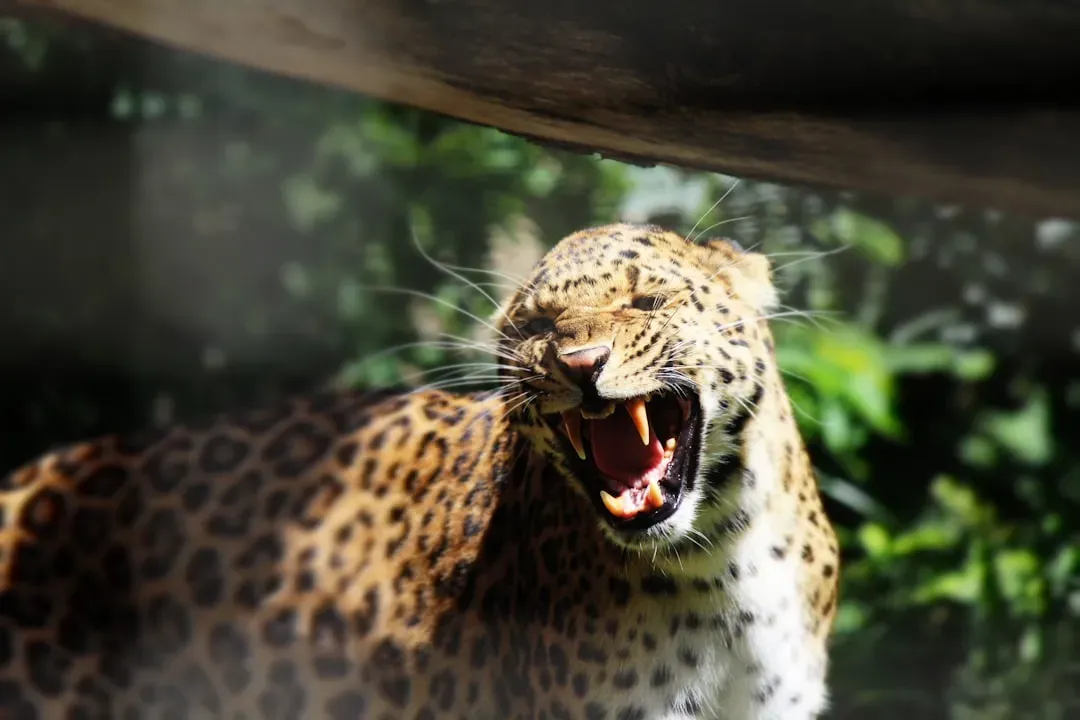
The jaguar’s powerful bite allows it to pierce the carapaces of turtles and tortoises, and it employs an unusual killing method: biting directly through the skull of mammalian prey between the ears to deliver a fatal blow to the brain. That’s not a backup strategy. It’s a primary, refined technique shaped over millions of years of evolution.
Jaguars need powerful teeth and jaws to take down prey three to four times their own weight, usually killing with a bite to the back of the skull rather than biting the neck or throat like other big cats. Most cats suffocate their prey. The jaguar simply ends it. Studies show that the jaguar’s skull is uniquely adapted for this kind of force, with a broad, sturdy cranium that distributes pressure evenly.
The Most Powerful Bite Force Relative to Body Size
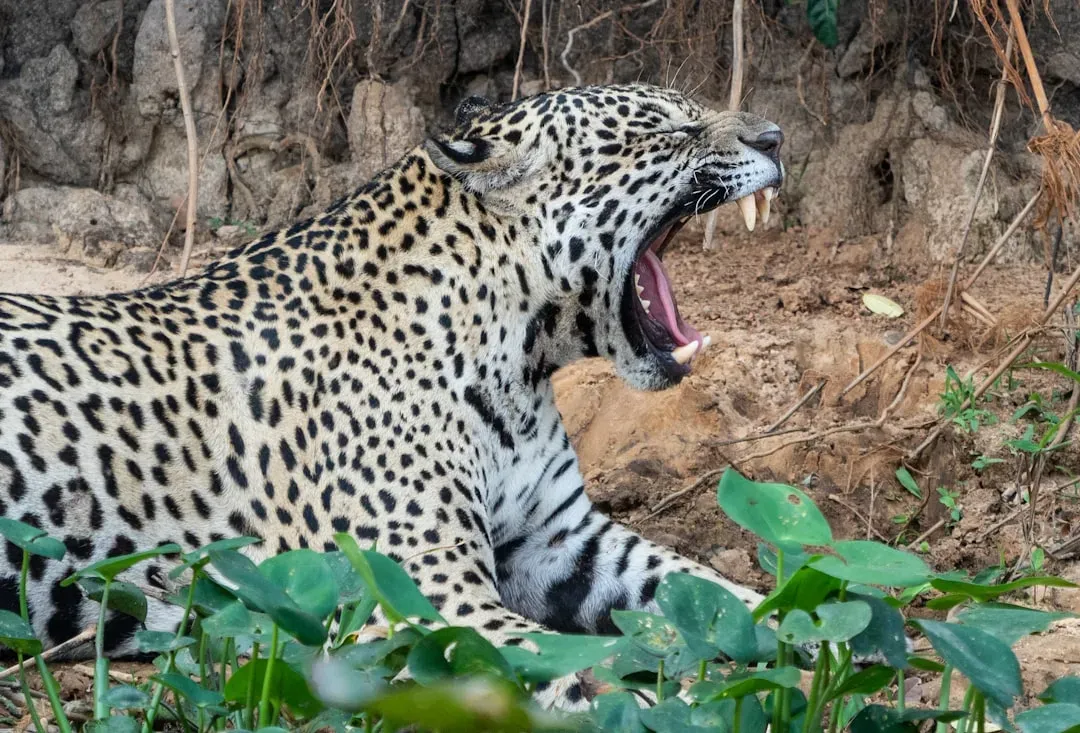
The jaguar holds a Guinness World Record for the highest bite force in a big cat relative to body size. That distinction matters. You’re looking at a cat that is physically smaller than both the lion and the tiger, yet produces jaw pressure that rivals or exceeds both. With a bite force of up to 1,500 pounds per square inch, jaguars have the strongest bite of any big cat, allowing them to take down large prey with ease.
With teeth measuring about two inches in length, jaguars possess long and sharp canines that enable them to penetrate even the toughest surfaces, allowing them to pierce through thick crocodile skins and turtle shells. The sheer engineering of that jaw is what makes caimans, armored reptiles, and heavy-skulled mammals fair game where other predators wouldn’t dare try.
A Stalk-and-Ambush Strategy That Is Nearly Peerless
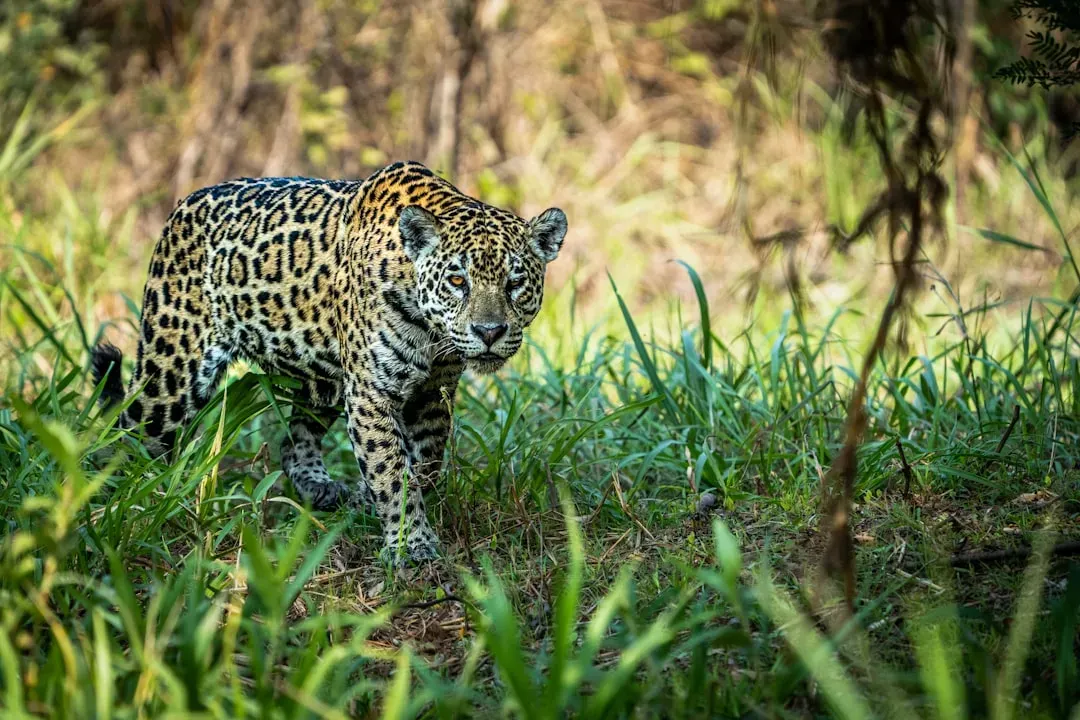
The jaguar uses a stalk-and-ambush strategy when hunting rather than chasing prey. It slowly walks down forest paths, listening for and stalking prey before rushing or ambushing. The jaguar attacks from cover and usually from a target’s blind spot with a quick pounce – its ambushing abilities are considered nearly peerless in the animal kingdom by both indigenous people and field researchers.
Unlike cheetahs that rely on speed or lions that hunt in groups, jaguars are masters of patience. They’ll sit motionless for hours, watching and waiting for their prey to make one wrong move. When the moment finally comes, they strike with lightning speed and deadly precision. This hunting style requires incredible mental focus and physical control that few predators can match.
Expert Swimming That Opens a Whole New Hunting Ground
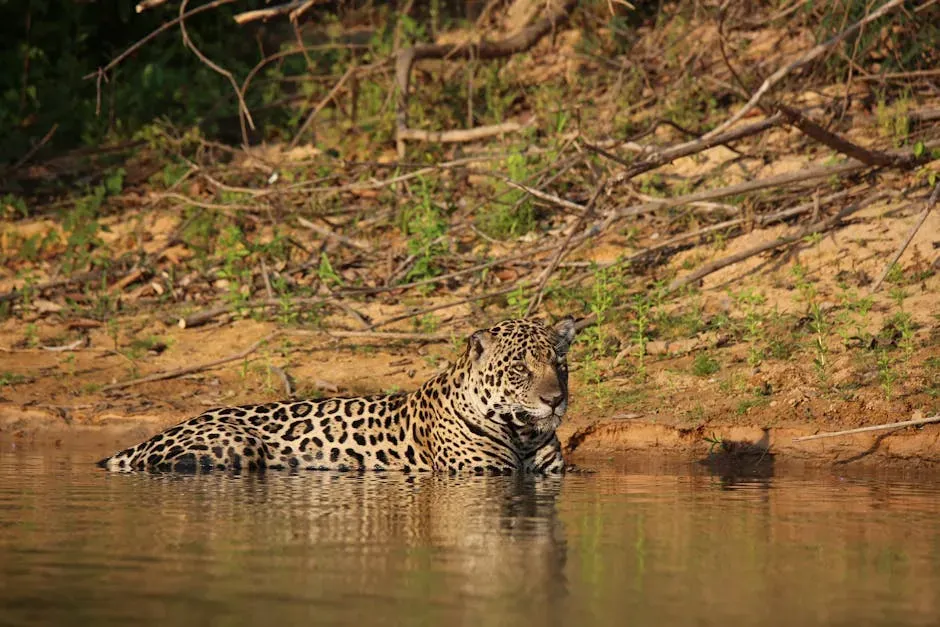
Jaguars are good swimmers and play and hunt in the water, possibly more than tigers. They’ve been recorded moving between islands and the shore, swimming distances of at least 1.3 km. For a big cat, that’s remarkable. Most felines treat water as an inconvenience. The jaguar treats it as an opportunity.
Unlike other predators that stay on dry land, jaguars move effortlessly between land and water. Their muscular bodies, strong limbs, and powerful tails help them swim easily. Their coats, marked with rosette patterns, blend into the dappled sunlight of the water’s surface, giving them an advantage when stalking prey. Even their camouflage works in their favor below the waterline.
Hunting Armored Reptiles That Other Cats Avoid
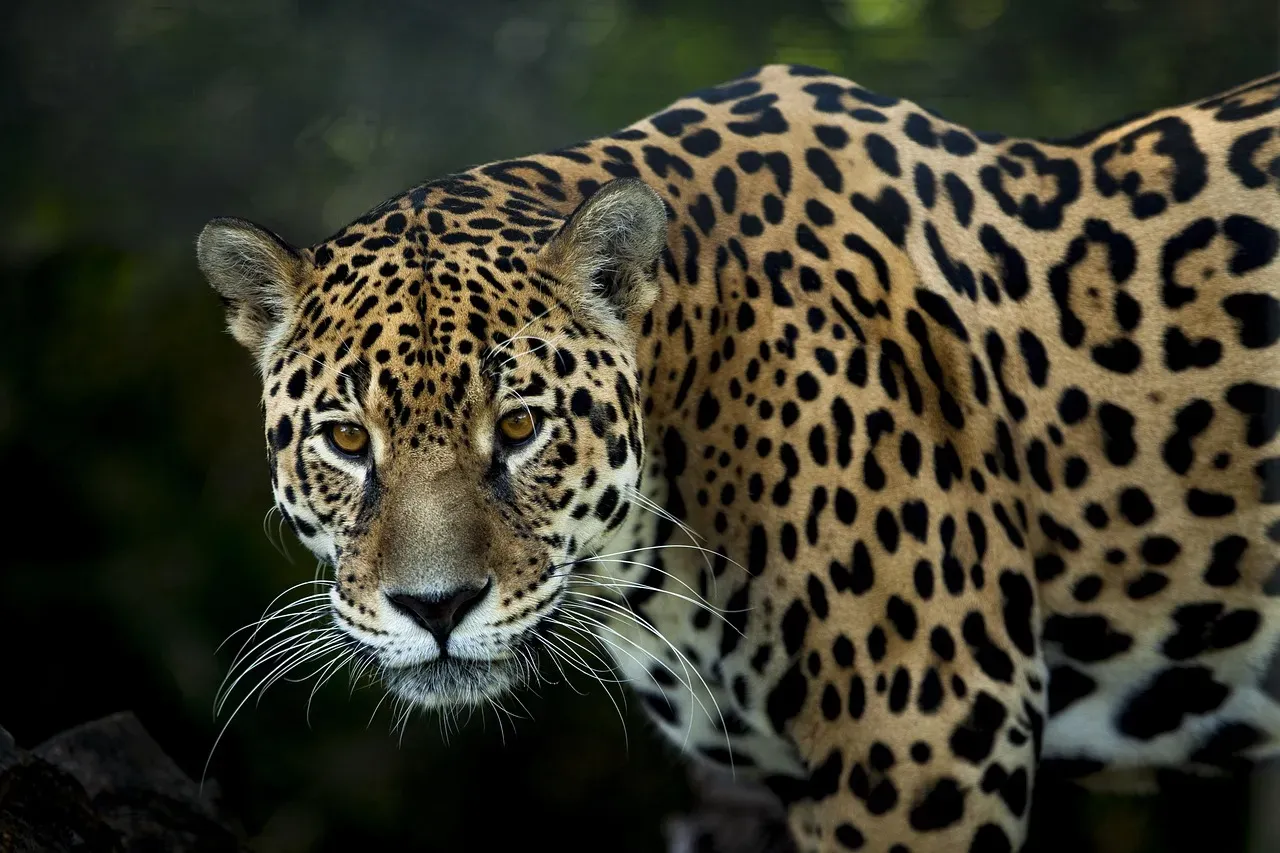
Jaguars have a second major difference from most other wild cat species: unlike other cats, jaguars are specifically adapted to hunt neotropical reptiles. Besides caimans, jaguars have been recorded hunting very large crocodilians such as the Orinoco crocodile. They also prey on turtles and tortoises and have been known to go after prey as large as boa constrictors and anacondas.
The best evidence that jaguars are serious reptile predators comes from multiple studies. In the southern Pantanal, GPS-based kill-site work found that caiman made up nearly a quarter of documented kills. In a broader review of jaguar diet across 19 studies, reptiles made up 12% of all prey items identified, and in five of those studies reptiles made up at least 20% of the reported diet. These aren’t opportunistic accidents – they’re a genuine, ecological specialization.
Extraordinary Night Vision Built for Low-Light Predation
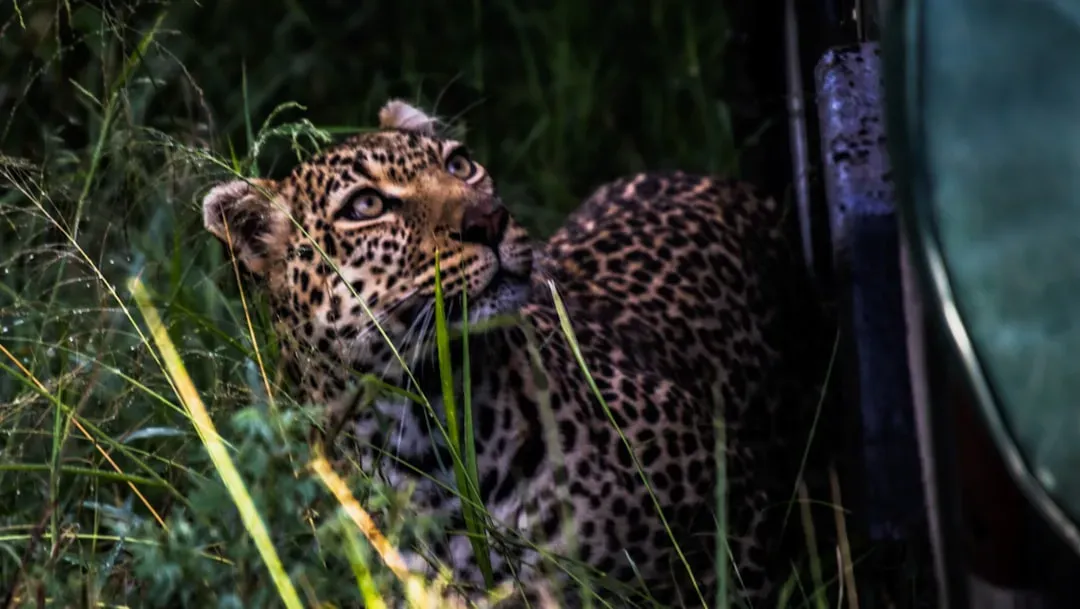
Like other cats, jaguars have eyes adapted for night hunting. One key element is a mirror-like structure called the tapetum lucidum in the back of the eye, which reflects light back into the retina, nearly doubling the cat’s ability to see at night. When you consider how dense and light-deprived an Amazonian forest floor can be, this isn’t a minor advantage – it’s transformative.
They primarily hunt at night or during twilight hours, targeting a wide range of prey, from capybaras and deer to caiman and fish. Enhanced night vision allows them to stalk and ambush prey effectively in low-light conditions. The reflective tapetum lucidum gives jaguars superior night vision, allowing them to see up to six to eight times better than humans in low-light conditions.
Master Camouflage That Makes a Large Cat Disappear
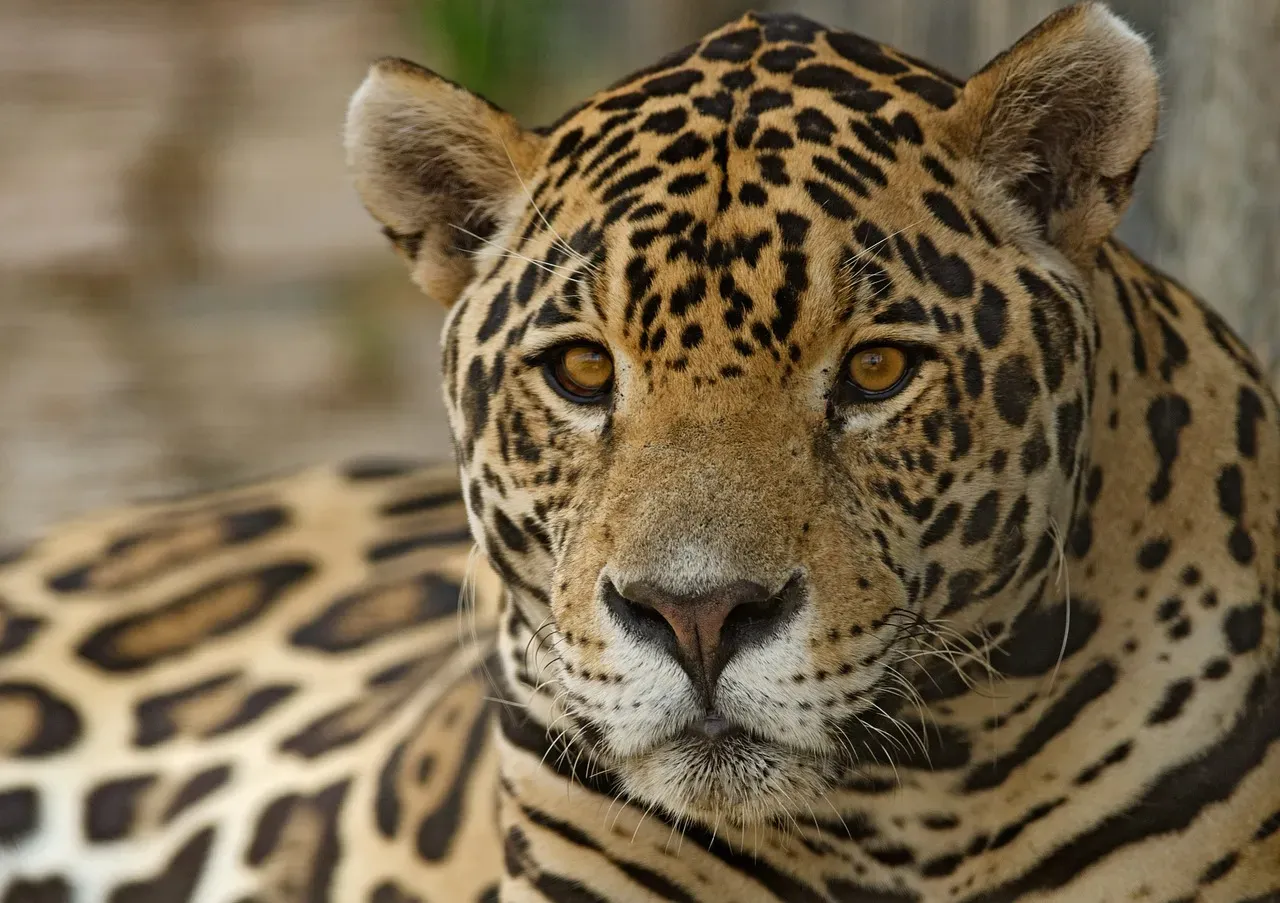
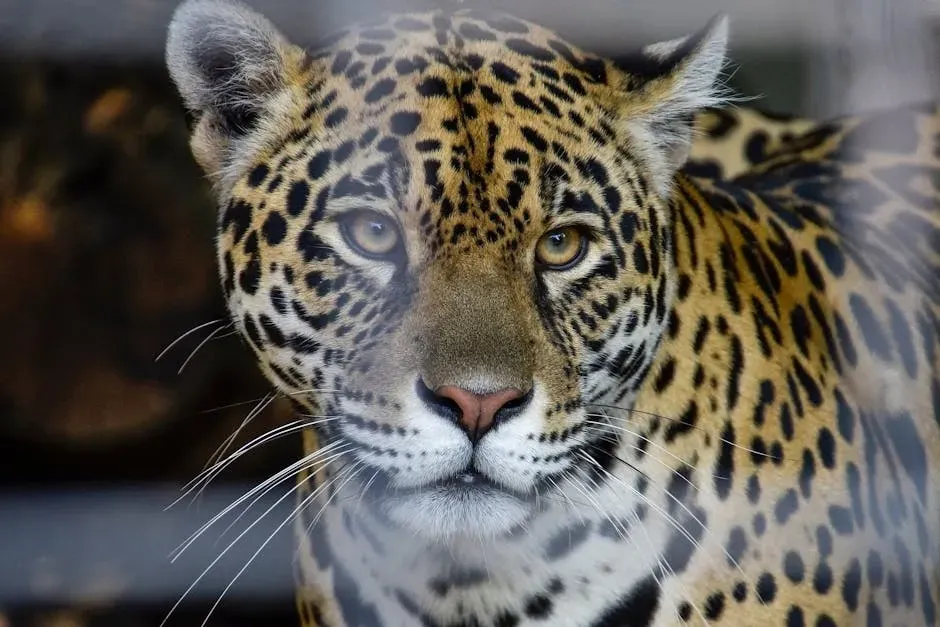
The jaguar’s distinctive coat pattern provides excellent camouflage in the dappled light of the forest understory. Their rosette markings break up their outline, making them difficult to spot against the dense vegetation of their rainforest habitats. That’s a meaningful edge when you’re trying to close the final few meters before a strike.
Jaguars use camouflage – also called cryptic coloration – to mask their location, identity, and movement. Most jaguars have tawny-colored fur, but some have black-on-black melanistic coloration. In dense rainforest environments, jaguars are likelier to be all-black, allowing them to melt into the shadows. Studies suggest that melanism offers a selective advantage in certain environments, notably in dense forests where low-light conditions prevail.
A Flexible, Around-the-Clock Hunting Schedule
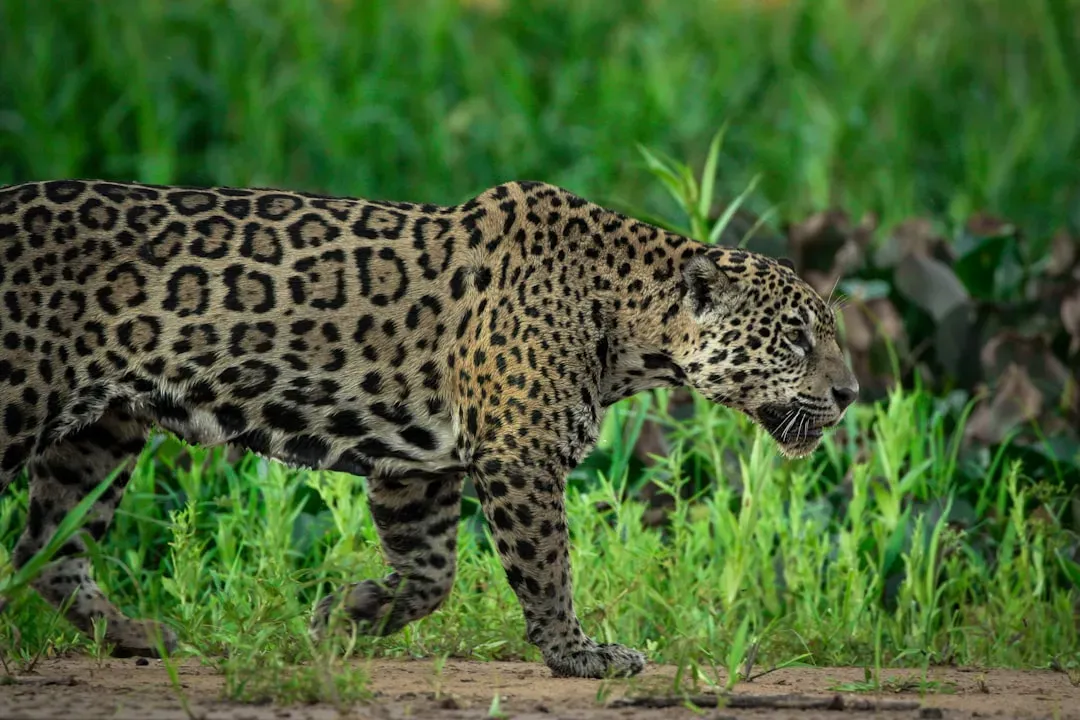
Jaguars exhibit a fascinating behavioral trait: they are both nocturnal and diurnal predators. This means jaguars are active during both day and night, allowing them to capitalize on a wide range of hunting opportunities and maximize their chances of success. Few large predators maintain that kind of flexibility. Lions are primarily crepuscular hunters. Cheetahs favor daylight. The jaguar adapts to what the moment demands.
The jaguar is mostly active at night and during twilight. However, jaguars living in densely forested regions of the Amazon rainforest and the Pantanal are largely active by day, whereas jaguars in the Atlantic Forest are primarily active by night. The activity pattern of the jaguar coincides with the activity of its main prey species. In other words, the jaguar doesn’t impose a schedule on the hunt – it follows the prey.
Carrying Heavy Kills While Swimming and Tree-Hauling Strength
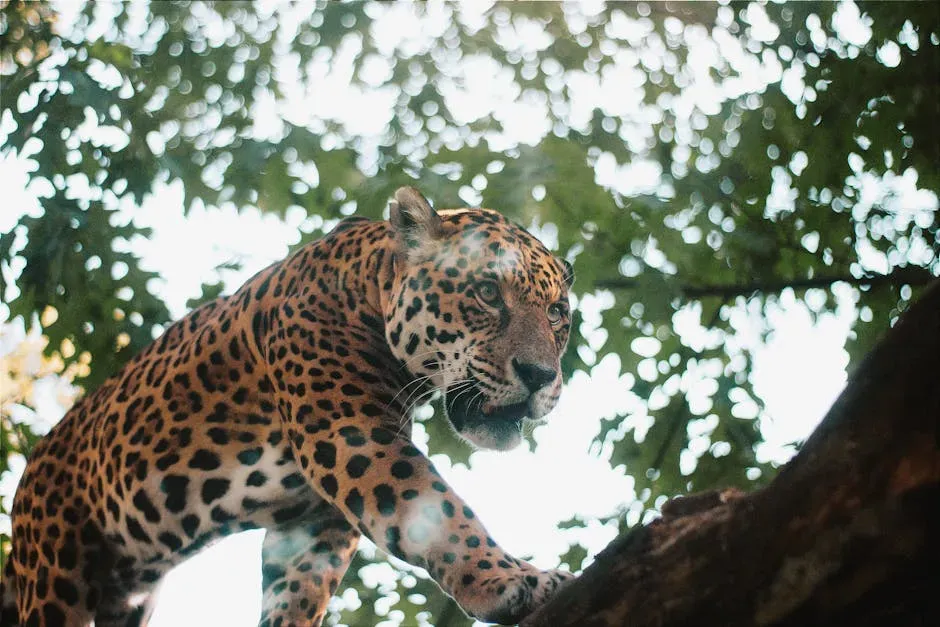
The ambush may include leaping into water after prey, as a jaguar is capable of carrying a large kill while swimming; it is strong enough to haul carcasses as large as a heifer up a tree to avoid flood levels. That combination of aquatic ability and raw carrying strength is exceptionally rare among large predators. Hauling a carcass of that size while swimming requires an extraordinary strength-to-weight ratio.
These big cats possess strong muscles that allow them to lift weights of 700 pounds or more. With a strike force of almost 500 pounds, jaguars can crush bones or break a skull with a single swipe. This immense strength enables them to drag and lift prey weighing 700 to 800 pounds, such as tapirs. A jaguar named Ousado was spotted diving under the water, stealth-hunting caiman from below – a technique never previously observed. Then another, called Medrosa, launched herself from the treetops to dive down to catch prey. These cats are unlocking new levels of predation and adapting in real-time to a dynamic ecosystem.
Conclusion
What the jaguar demonstrates, above all, is that being the top predator in a complex, water-rich, species-dense environment requires more than brute force. It demands versatility – the ability to hunt on land, in water, at night, by day, in silence, and with the kind of decisive power that ends encounters quickly.
No other cat combines a skull-piercing bite, genuine aquatic hunting ability, world-class camouflage, and the patience to wait motionless for hours all within one body. Other big cats are extraordinary in their own ways. The jaguar, though, is the one that keeps surprising researchers even now. Jaguars exhibit remarkable adaptability in their choice of prey, a trait that underscores their success as apex predators – their diet encompasses over 85 species, which allows them to thrive in various ecosystems. That kind of range is the true measure of a complete hunter, and the jaguar earns that title without contest.
Kristina is a young writer from India. An arts graduate and an avid content creator, Kristina is passionate about animals and wildlife. She enjoys exploring topics related to pet care, animal behavior, conservation, and nature, combining thorough research with engaging storytelling.