Ever wonder what your cat is really trying to tell you when they open their mouth? I know it sounds crazy, but those little furballs aren’t just making random noises to annoy you at three in the morning. They’re actually communicating something specific.
Researchers have identified up to 21 different feline vocalizations, which is honestly impressive for creatures we sometimes think of as aloof. Your cat has developed this entire language to talk specifically to you. Let’s be real, if you’ve ever had a conversation with your kitty and felt like they understood you, you’re not imagining things. Adult cats meow almost exclusively to communicate with humans, not with each other. They literally invented a whole communication style just for us.
The Classic Meow

Here’s the thing about meowing. You probably think it’s just one sound, but it’s actually got more variety than you’d expect. A meow can be assertive, plaintive, friendly, bold, welcoming, attention-soliciting, demanding, or complaining. Your cat might have a short, high-pitched meow when they’re greeting you at the door, or a longer, drawn-out version when they’re seriously frustrated that their food bowl has been empty for exactly two minutes.
What makes this even more fascinating is that adult cats rarely meow to each other, so adult meowing to human beings is likely a post-domestication extension of mewing by kittens. Essentially, your cat is treating you like their parent. They’ve figured out over thousands of years that meowing gets your attention, and they’ve perfected it into an art form.
The Purr of Contentment
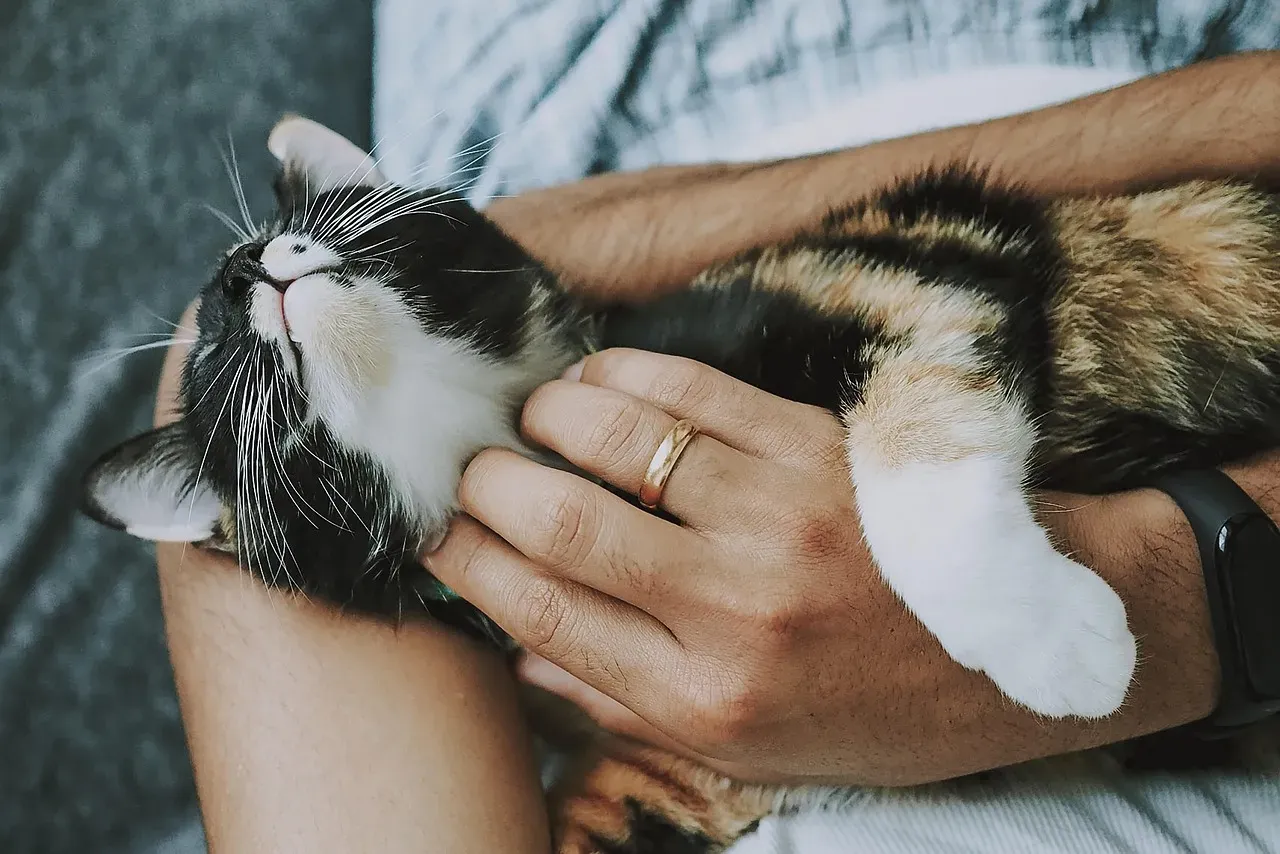
You’ve probably heard your cat purring while curled up on your lap, and honestly, it’s one of the best feelings in the world. A purr is a low, continuous, rhythmic tone produced during breathing. Most people assume purring always means happiness, and while that’s often true, there’s more to the story.
Cats can also purr when they’re anxious, sick, or in pain. Cats sometimes purr when they are ill, tense, or experiencing traumatic or painful moments such as giving birth. It’s hard to say for sure, but experts think purring might be a self-soothing mechanism. Pay attention to your cat’s body language alongside the purr to really understand what they’re feeling.
Trilling and Chirruping

A trill is produced with a soft voice and sounds like a purr but with a higher pitch, and cats may trill to greet and thank their human family members for something, such as a snack or a pet. If you’ve never heard your cat trill, you’re missing out on one of the sweetest sounds they make. It’s like a rolled “r” combined with a purr, and it’s adorable.
Mother cats commonly use chirps to call their kittens inside the nest, and it is also used in a friendly manner by cats when they are greeted by another cat or a human. When your cat trills at you, they’re essentially giving you a warm, affectionate greeting. Some cats will trill and walk away, glancing back at you repeatedly, which is basically their way of saying “follow me, human.”
Chattering at Prey
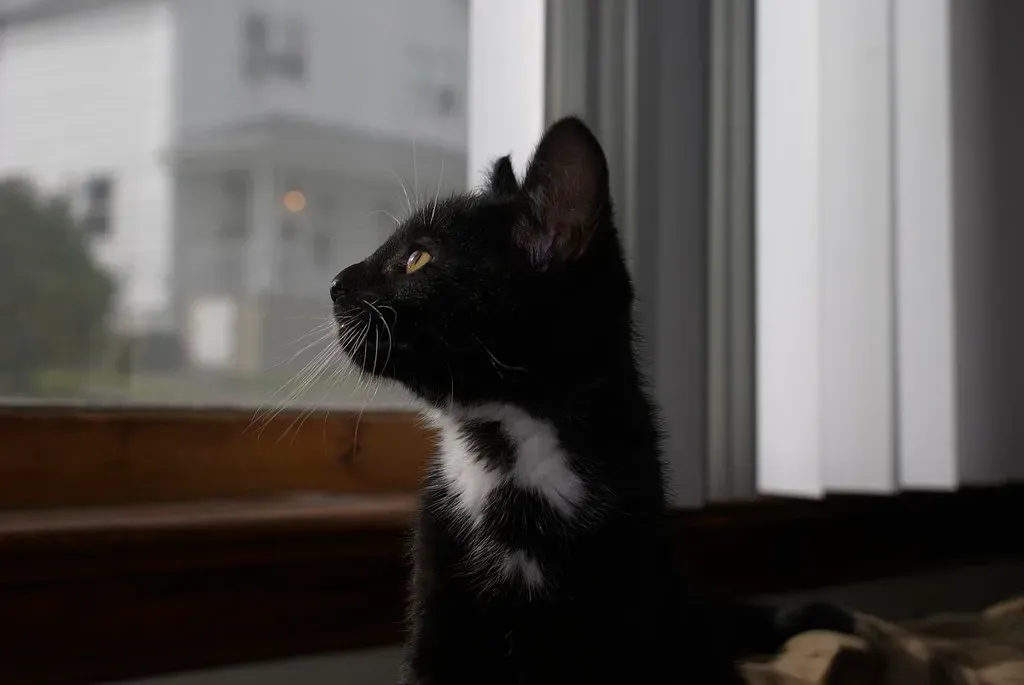
Chattering is a low smacking sound produced by a rhythmic clashing of the jaws, usually voiceless, and may occur when a cat spots prey that’s out of their reach. You’ve probably seen this if your cat sits at the window watching birds or squirrels outside. Their jaw moves rapidly, creating this weird clicking sound that’s honestly kind of amusing to watch.
Nobody is entirely certain why cats do this. There are few theories comprised of signs of conflict of frustration in attaining prey, prey capture anticipation, impersonation of prey vocalizations and the kill bite theory. My guess is it’s pure feline frustration mixed with excitement, like they’re practicing their hunting moves even though there’s glass in the way.
Hissing and Spitting

The growl, spit, and hiss are sounds associated with either offensive or defensive aggression, and they are usually accompanied by a postural display intended to have a visual effect on the perceived threat. When your cat hisses, there’s absolutely no mistaking what they mean. They’re scared, threatened, or seriously unhappy about something.
A hiss is basically your cat’s way of saying “back off right now.” Spitting is a shorter but louder and more emphatic version of hissing. If your cat is hissing or spitting at you, give them space immediately. They’re not being mean, they’re just communicating their boundaries loud and clear.
Growling Warnings

A growl is a low, rumbling sound used to warn or scare off a threat, and is an indication that a cat feels threatened, frightened, or is about to become aggressive. I think growling is one of those sounds that makes even the most confident cat owner pause. It’s deeper and more sustained than a hiss, and it means business.
Cats don’t just growl at other animals. They’ll growl at you too if they feel cornered or don’t want to be touched. This sound often increases as the cat’s fear grows. Respect this warning and back away. Your cat is giving you fair notice before things escalate.
Yowling and Howling

The howl, moan, and wail sounds are commonly vocalized during threatening situations, with howls being more tonal, while moans are long and slowly modulated. Yowling sounds dramatic because it is. It’s a longer, louder version of a meow that can honestly sound kind of disturbing if you’re not expecting it.
Yowling and howling are signs that a cat is in distress, which may be physical distress from pain or illness, or emotional distress from worry, frustration, boredom, or confinement. If your normally quiet cat suddenly starts yowling at night, don’t ignore it. They might be stuck somewhere, in pain, or experiencing cognitive issues if they’re older.
The Caterwaul

A caterwaul is a loud, long whine made by unspayed females to attract prospective mates while in heat. If you’ve ever heard this sound, you know exactly what I’m talking about. It’s loud, melodramatic, and impossible to ignore. Female cats in heat will caterwaul to let every tomcat in the neighborhood know she’s ready to mate.
Male cats can also make similar sounds during mating season or when fighting over territory. When directed toward human family members, it is used to express pain, discomfort, fear, or a desire for attention. Getting your cat spayed or neutered usually eliminates this particular vocalization, which your neighbors will probably appreciate.
Understanding your cat’s vocalizations isn’t just about decoding noise. It’s about building a deeper connection with your furry companion. Each sound carries meaning, whether it’s affection, fear, excitement, or a demand for more treats. The more you listen and observe, the better you’ll understand what your cat needs.
Did your cat make a sound today that surprised you? What do you think they were trying to tell you?
Kristina is a young writer from India. An arts graduate and an avid content creator, Kristina is passionate about animals and wildlife. She enjoys exploring topics related to pet care, animal behavior, conservation, and nature, combining thorough research with engaging storytelling.