Most cat owners have noticed it at some point. One person walks into the room and the cat lifts its head. Another person enters and those slow, knowing eyes follow them across the floor. It’s not random, even if it looks that way.
While cats may seem mysterious in their social preferences, their choice of a favorite person actually follows clear patterns based on both instinct and experience. Understanding what drives those choices can shift the way you see your relationship with your cat entirely.
The Science of Feline Attachment Is More Real Than You Think
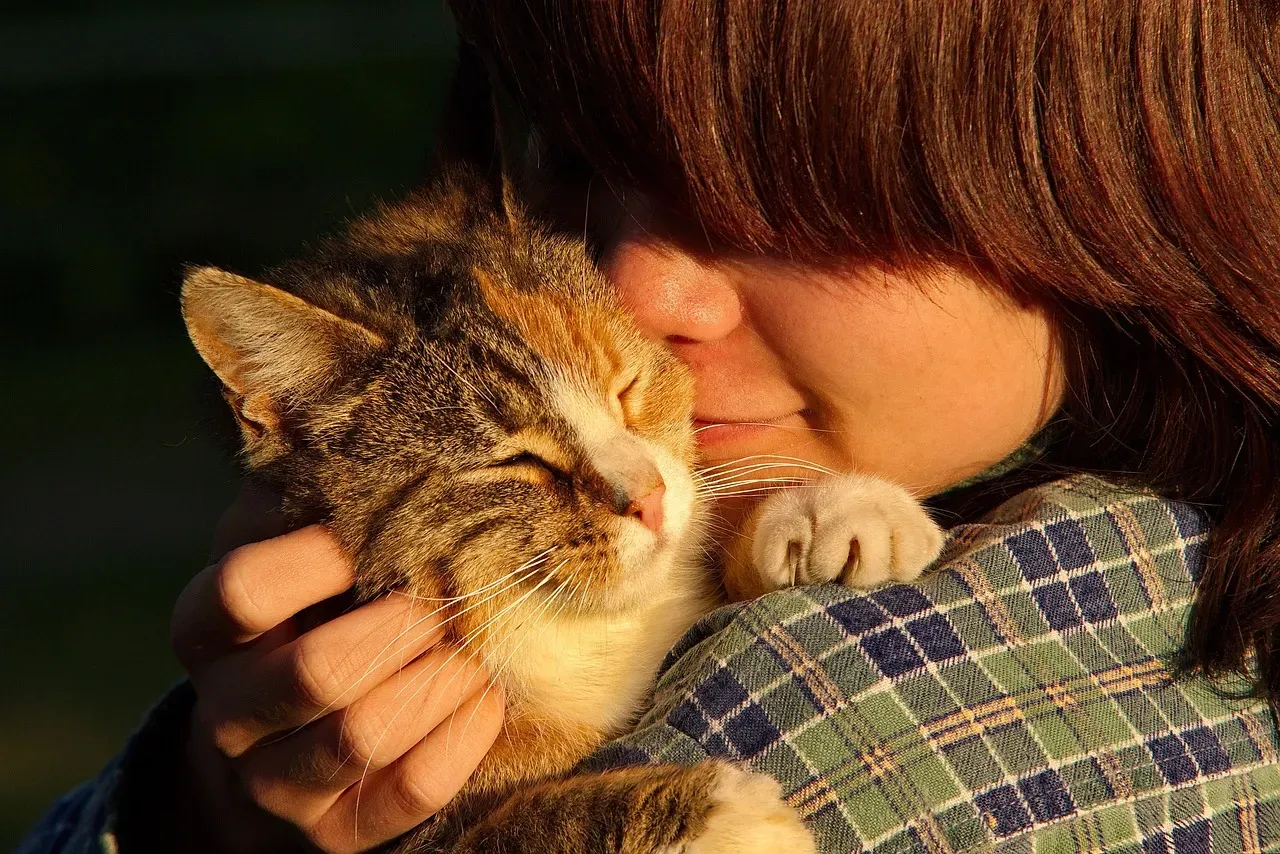
For a long time, the popular image of cats was that of emotionally indifferent creatures who tolerate human company mostly for the food. Research has steadily challenged that. While pet cats display affection differently than dogs, a recent study shows cats can bond just as strongly to their humans as dogs. That’s not a small finding.
In a published study, cats were put through a feline version of the Ainsworth Strange Situation Test. The results showed that cats can manifest attachment behaviors toward their owners that were markedly similar to those of one- or two-year-old children. The parallel is striking when you sit with it.
Research found that the vast majority of adult cats were classified as securely attached to their owners, and these findings mirror those found in studies of dogs and human infants. Your cat, it turns out, may be reading the room far more carefully than you realize.
Your Calm Energy Speaks Louder Than Your Words
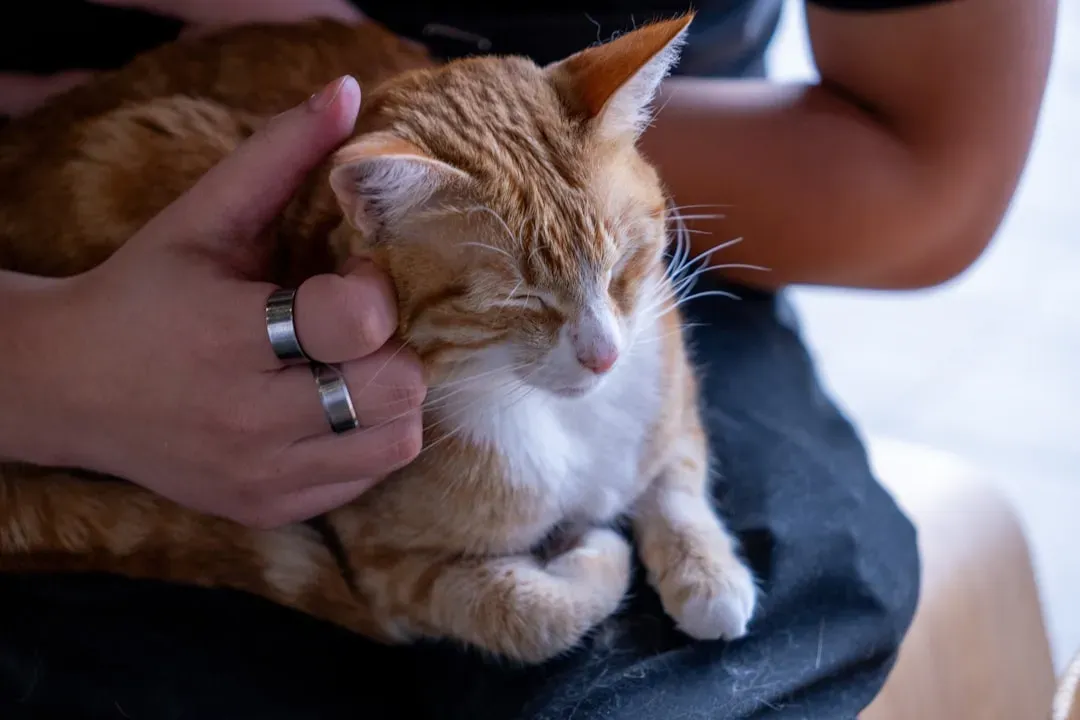
Cats are sensitive to body language and tone of voice. They may be more drawn to someone who speaks to them softly and pets them gently than a more boisterous, louder person who is always in their face. It sounds simple, but it shapes nearly every social decision your cat makes.
Cats prefer when you have a calming presence, consistent patterns, and predictable movements, and when you exhibit cat-friendly, welcoming body language. The person who moves through the house without drama, speaks quietly, and doesn’t lunge for the cat on sight is often the one the cat gravitates toward.
There’s something almost ironic in that. Quite often, a cat’s favorite person is someone who doesn’t like cats that much at all. In some cases, the harder you try to get your cat’s affection, the less interested they are. It’s the people who avoid them and don’t invade their space who might end up being the favorite.
Routine and Consistency Build the Foundation of Trust
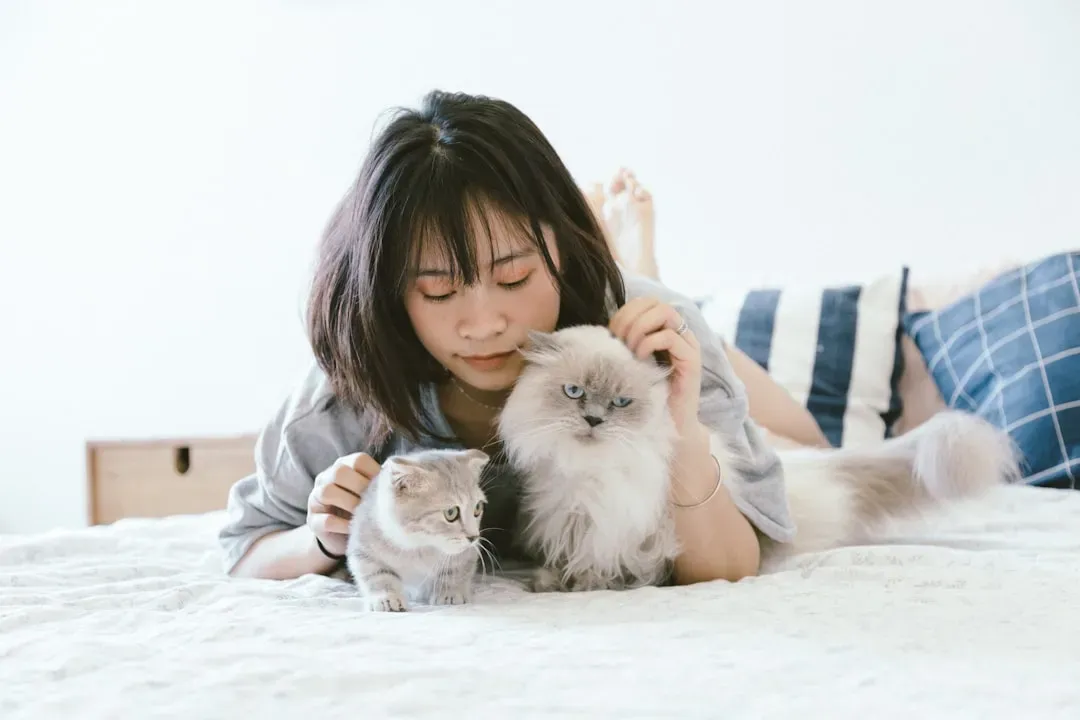
Cats are creatures of habit. Keeping a regular schedule is one of the simplest ways to help you bond with your cat and become their favorite person. It’s less about grand gestures and more about showing up the same way, day after day.
Cats like predictability, so they’re likely to be drawn to members of the household who wake up at the same time every day. When your behavior is reliable and your energy is steady, your cat learns what to expect from you. That predictability is deeply reassuring to them.
A single-person bond frequently emerges when that individual is consistently present, maintains predictable routines, and engages in mutually rewarding activities. Trust is not built in a single afternoon. It accumulates slowly, interaction by interaction.
Early Socialization Leaves a Lasting Imprint
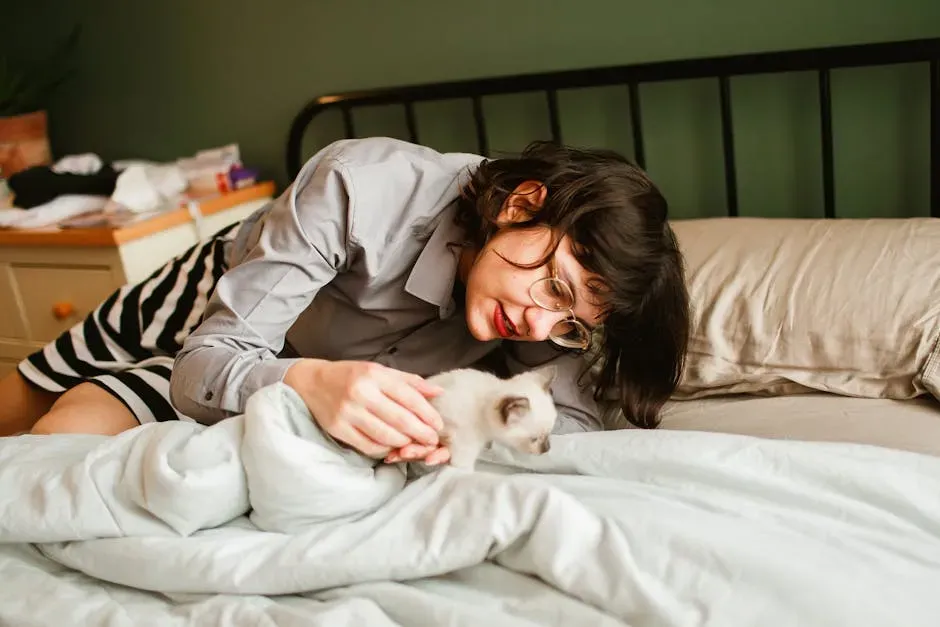
There is a critical window in a kitten’s early social development. The first three to seven weeks of their life play a significant role in how kittens respond to people. Regular handling and exposure to different sounds and smells can help kittens grow into well-adjusted, human-bonded cats.
Kittens without any human interaction during that period will be more guarded, suspicious of other people, or even fearful. Anything a cat didn’t experience during that development window in their kittenhood will take time for them to learn to trust. This is why some rescue cats need far longer to bond than others.
Cats may also choose their favorite person based on their life stage. A kitten might favor the person who hand-reared them, while an older cat may bond more closely with someone who provides them with a peaceful, settled environment. Age shapes the attachment in ways that aren’t always obvious.
Reading Your Cat’s Body Language Is a Two-Way Street
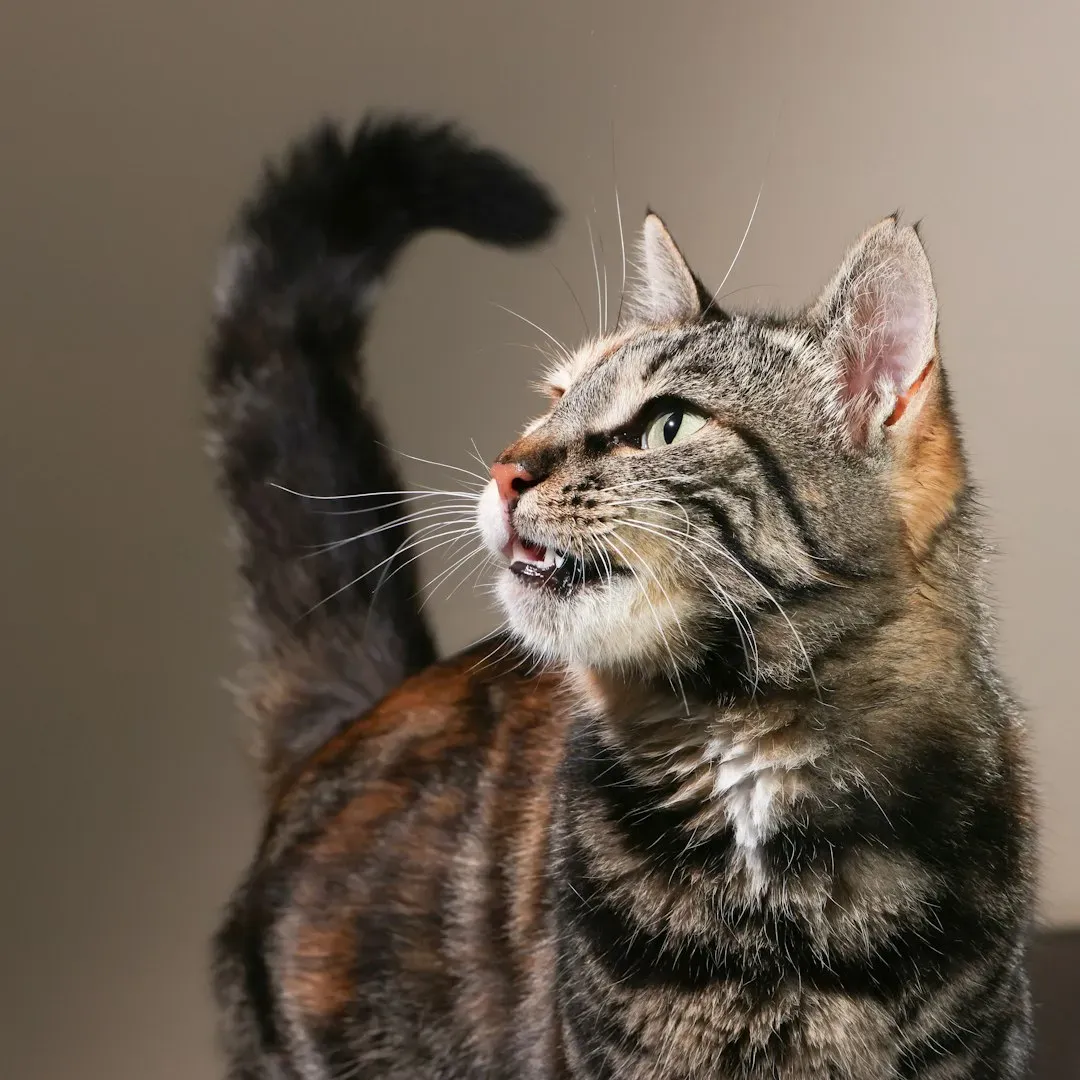
Cats have an intricate way of communicating with their bodies, through things like tail movements and ear positions. Even their blinking behavior is part of their communication. The person who notices and responds to these signals earns points that others simply don’t.
Cats tell us even more through their body language than through their vocalizations. They use their tail, ears, eyes, whiskers, and fur to convey their emotions. A cat with a tail held high is usually happy and confident, while a cat with a puffed-up tail is scared or angry.
If you want your cat to trust you more, try to read their body language. If they’re flicking their tail or have their ears back, they don’t want to be approached. If you barge straight up to them at a time like this, you won’t get a great response. It’s far better to wait until they’re showing signs of wanting to interact.
The Person Who Makes the Most Effort Often Wins
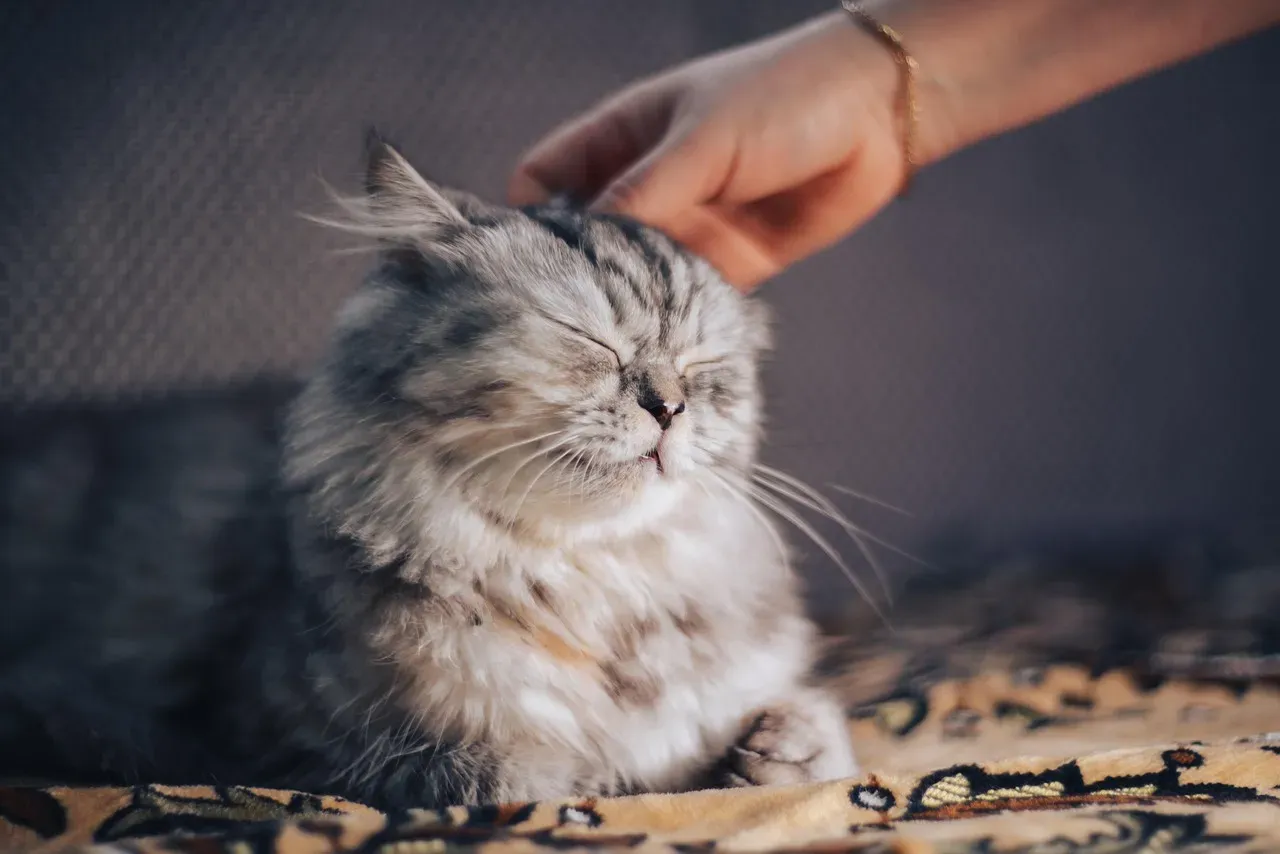
Research discovered that the person who makes the most effort is typically the favorite. People who communicate with their cat by getting to know their cues and motives are more attractive to their cat companions. Effort here doesn’t mean overwhelming the cat. It means paying attention.
If your cat is the sort who just wants to be calm and relax, they will probably gravitate toward the family member who is calm and quiet. Playful, energetic cats who love to stay active will likely choose a companion who gives them exercise and attention. Personality matching matters more than most people realize.
According to veterinarians and animal behaviorists, cats use a combination of emotional safety, energy levels, routine, and trust to select their favorite human. These factors rarely operate in isolation. They layer together over time.
Feeding and Care Still Count for a Lot
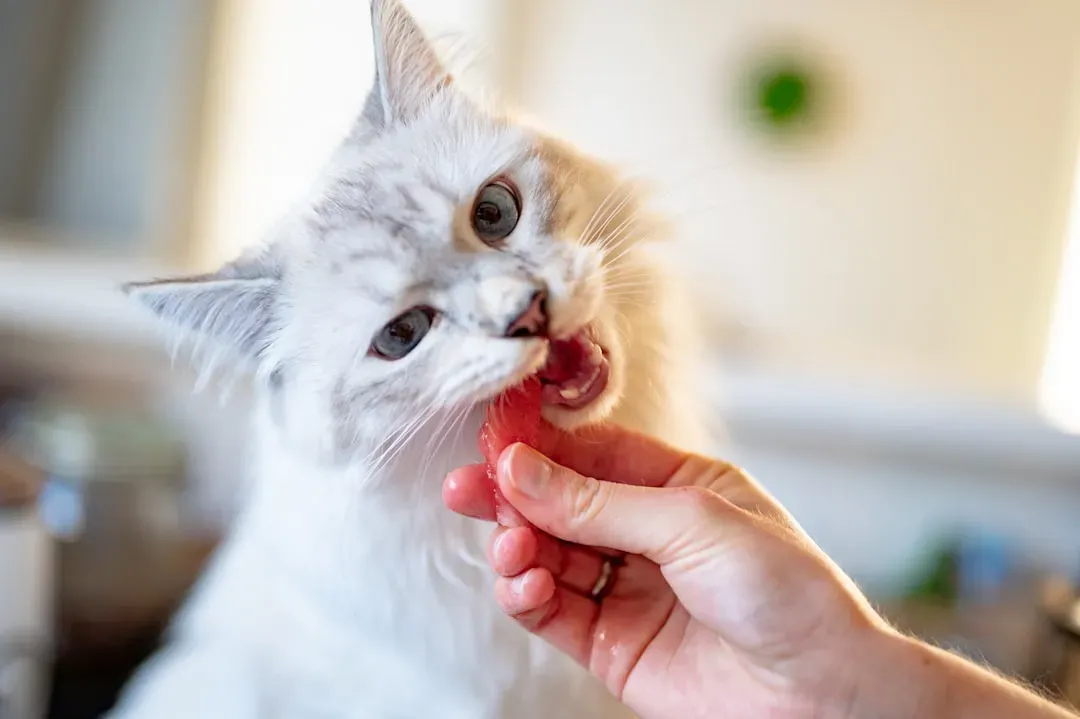
The foundation of a cat’s preference typically begins with basic care. The person who consistently provides food, fresh water, and maintains a clean litter box often has an advantage in becoming the cat’s chosen human. However, this is just the starting point of a more complex bonding process.
In addition to regular meals, many cat owners give their cats treats as a way to show affection and reinforce positive behavior. A cat may associate treats with the person who provides them and may show a preference for that person as a result. Food-based bonding is real, though it’s rarely the whole story.
Cats are creatures of habit and often associate their favorite person with the provider of food and daily care. If you’re the one who feeds and takes care of your cat, you’re likely to earn a special place in their heart. Cats are known to show gratitude by seeking attention and companionship from their primary caregiver.
The Slow Blink and Other Quiet Signals of Being Chosen
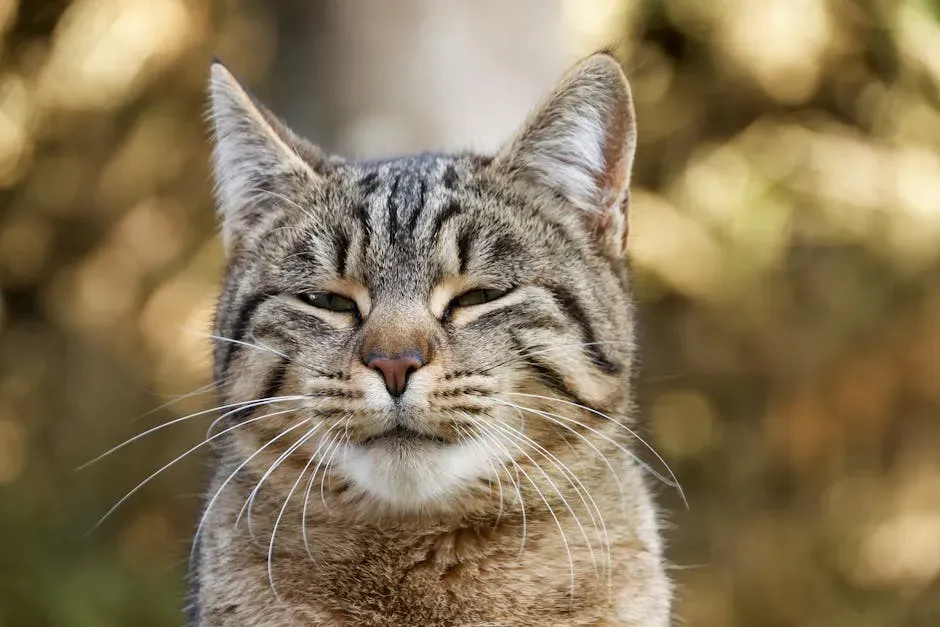
When your cat has chosen you, they tend to say so without a single word. When a cat has imprinted on you, there are several unmistakable signs of their deep attachment. They display an intense and consistent desire for your company and may follow you around the house, sit near you, or seek physical contact such as snuggling or kneading.
Many cat owners cherish the slow blink, during which a cat stares at you and slowly squints or closes their eyes, as a sign of affection. Returning the slow blink is widely considered a way of saying “I trust you too” in a language your cat genuinely understands.
Kneading, often called “making biscuits,” happens when a cat rhythmically flexes and relaxes their front paws. This behavior is more than just cute. Cats learn it as kittens to stimulate milk flow from their mothers, and when an adult cat kneads on you, it shows they trust you and feel secure in your presence.
Grooming, Headbutts, and the Language of Belonging
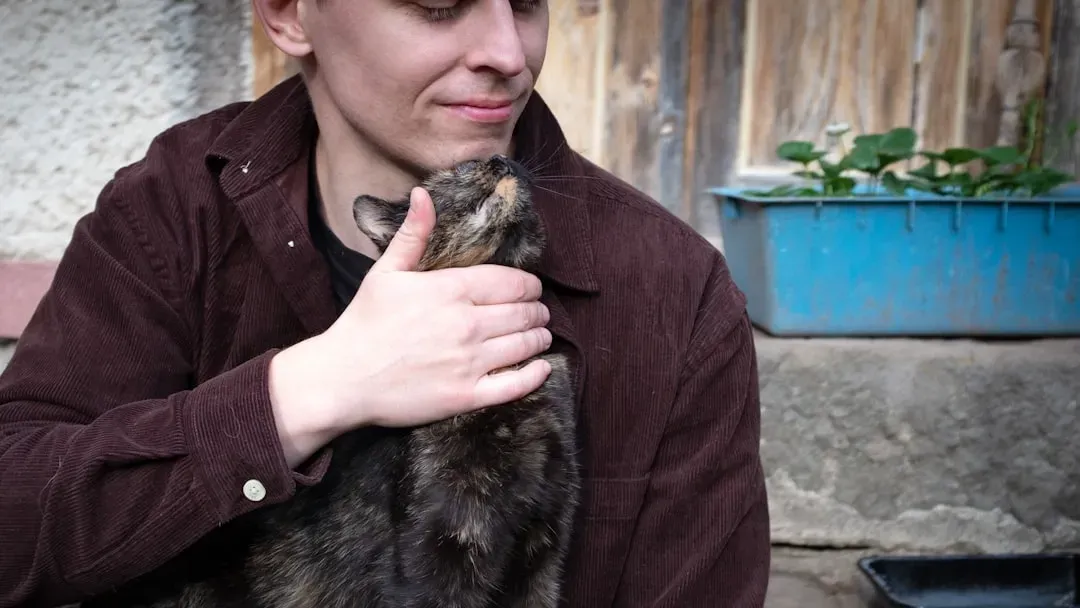
Cats have scent glands on their faces and bodies, and they use them to mark their territory and communicate. If your cat rubs their head or body against you, it’s a sign that they are marking you as their own and showing affection. This behavior is also known as bunting, and it’s a clear indication that your cat sees you as a trusted companion.
Cats groom each other as a bonding ritual, so when they lick your hair, hands, or face, it means your cat considers you part of their social group. In short, it’s a way cats show attachment to their person. Being licked may not be glamorous, but in cat terms it’s a genuine honor.
Cats often show their affection for their favorite people by following them around the house, sleeping between their legs, running to them when they return home, and spending their time snuggled up nearby. These aren’t coincidences or habits. They’re deliberate choices made by an animal that picked you.
Conclusion
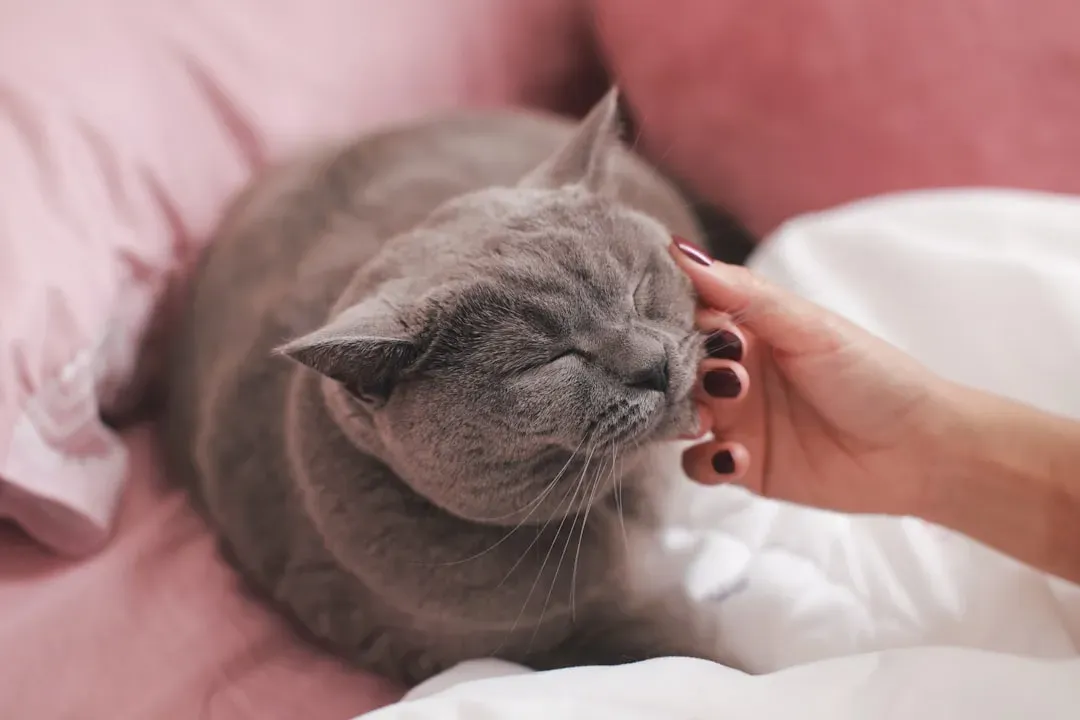
Your cat’s preference isn’t random, and it isn’t shallow. Cats build their preferences primarily through positive associations and trust-building experiences. Unlike dogs, who often form pack-like hierarchies, cats develop individual relationships based on comfort, security, and positive interactions.
What’s worth remembering is that being chosen by a cat is genuinely earned. When a cat chooses you as their favorite, it’s a significant compliment. It means they value your bond and they trust you completely.
The cat watching you from across the room, the one that settles quietly at your feet every evening, or the one that brings you a toy at an odd hour – they’re all expressing something real. As with any complex social relationship, the type of cat-owner bond that develops is the product of the dynamic that exists between both individuals, along with certain personality features. You didn’t just end up as someone’s favorite by accident. You showed up, paid attention, and made them feel safe. That, it turns out, is exactly enough.
Kristina is a young writer from India. An arts graduate and an avid content creator, Kristina is passionate about animals and wildlife. She enjoys exploring topics related to pet care, animal behavior, conservation, and nature, combining thorough research with engaging storytelling.