You settle onto the couch, your cat climbs onto your lap, and within seconds those little paws start pumping. It’s rhythmic, oddly hypnotic, and occasionally quite painful. Most people chalk it up to a random cat quirk, but there’s a surprisingly layered explanation behind what’s happening every time your cat “makes biscuits” on you.
Kneading isn’t a random cat quirk. It’s a behavior steeped in brain chemistry, ancient instincts, and pure feline emotion. Once you understand the full picture, you’ll look at those tiny paw pumps very differently.
It All Starts at Birth: The Nursing Connection
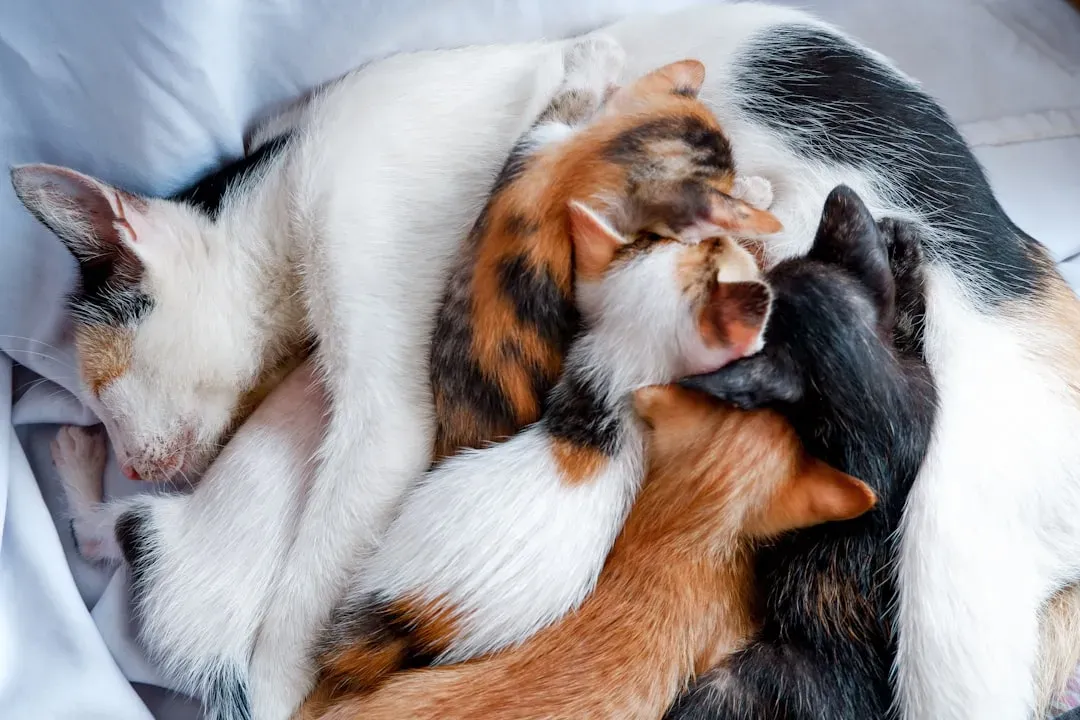
Kneading begins in kittens as an instinctual behavior associated with feeding. It’s not something cats ever have to learn. As one animal behavior scientist put it, “The way the behavior starts is: they knead the mother’s mammary glands to actually suck the milk.”
A kitten learns to knead the area surrounding the nipples to aid milk flow. This action is a slow, gentle treading movement, with both kitten and mother purring throughout. These moments are comforting, happy, and safe, with the kitten receiving both care and nutrition.
Why Your Adult Cat Never Stopped
Adult cats sometimes keep the behavior long after they have fully developed. It’s not unusual for domesticated animals to retain juvenile traits into adulthood, a phenomenon called neoteny that also explains, for example, why dogs look and act more like wolf cubs than adult wolves.
Cats knead because domestication preserved a neonatal nursing behavior into adulthood through neoteny. Kneading activates a neurochemical reward loop that originally reinforced the mother-kitten nursing bond. Adult cats re-create this comfort state on soft surfaces and human companions, making kneading one of the strongest behavioral signatures of cat domestication.
You’ve Become Their Surrogate Mother Figure
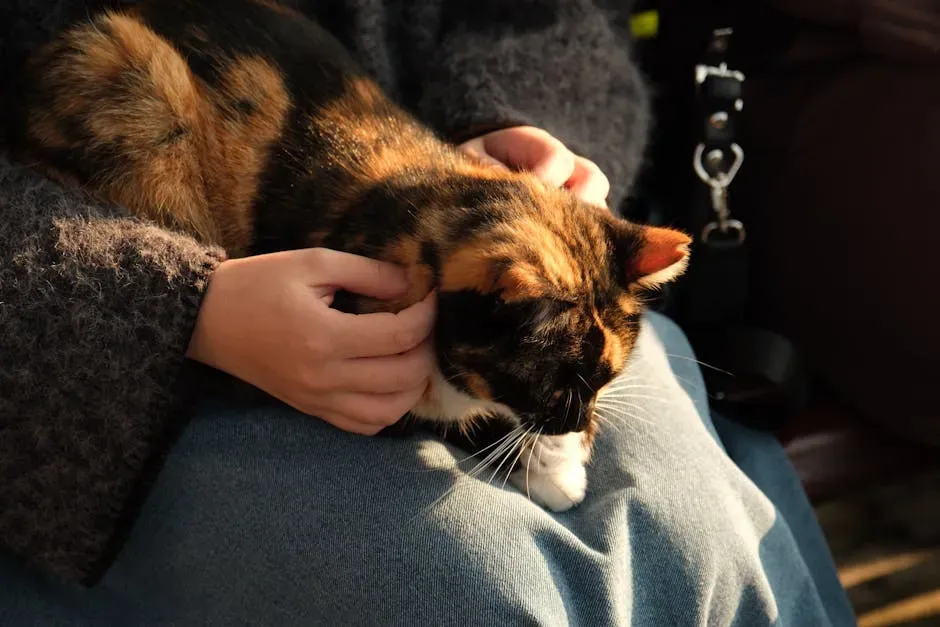
It’s possible that some of the juvenile behaviors cats once directed at their mother are now directed at the owner, according to Kristyn Vitale, a certified applied animal behaviorist at Unity Environmental University.
Your cat actually sees you as a second parent, so to speak. Rather than nursing, she’s exhibiting behaviors that she associates with feeling safe and loved. Notice how she purrs, and maybe she even looks quite happy when she kneads.
Your Cat Is Quietly Claiming You as Their Own
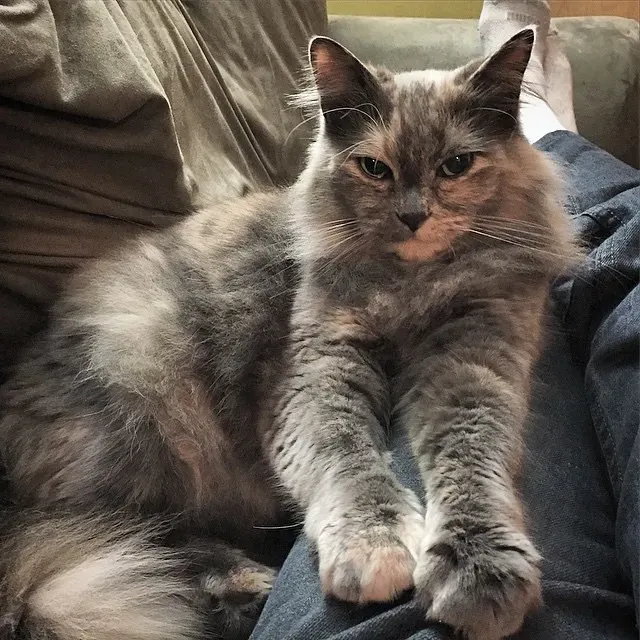
Some believe that kneading is one of the many ways felines mark spaces, furniture, and people as “theirs,” and the science backs this up. Cats have scent glands tucked between their toes that are stimulated by kneading movements. So when your cat kneads you, they could just be saying, “this is all mine!”
Kneading can be used as a form of tactile and pheromone communication. Cats have scent glands in their soft paw pads, and when they knead, these glands release pheromones, which are chemical messages used to communicate. In essence, every time your cat kneads your thigh, you’re being softly branded as a member of their inner circle.
The Brain Chemistry Behind the Biscuit-Making
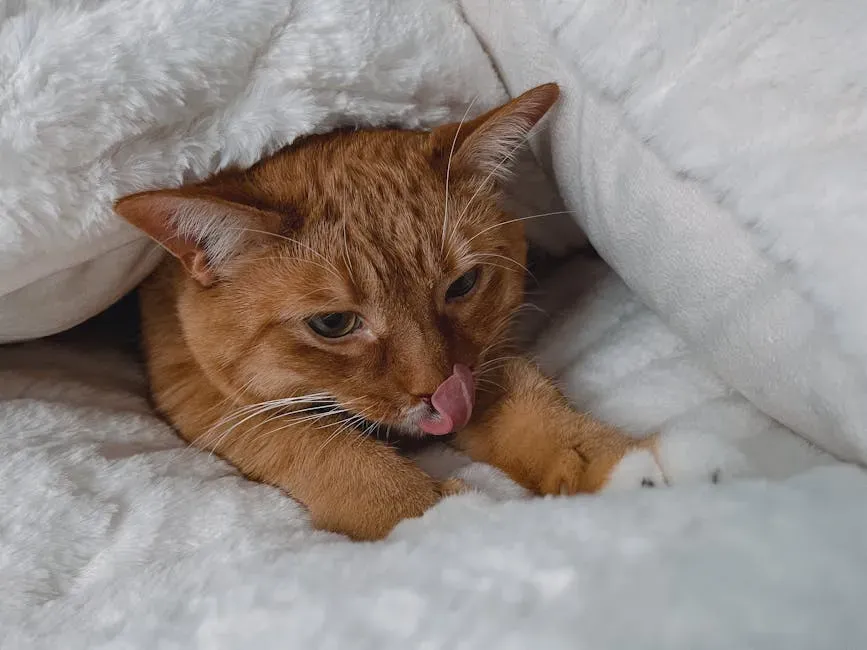
When a cat kneads, their brain releases a combination of dopamine and oxytocin. Dopamine is the chemical that rewards the action, encouraging them to keep going. Oxytocin is the hormone linked to bonding.
The action of kneading in cats causes the release of the feel-good chemical dopamine in the brain. Increased or excessive kneading can sometimes be a sign that your cat is uncomfortable or anxious, and kneading could be an attempt to self-soothe. This release of dopamine also motivates your cat to continue kneading to receive additional bursts of the hormone. It’s a self-sustaining loop of calm, and you happen to be the surface that triggers it.
It’s a Message About Trust, Not Just Comfort
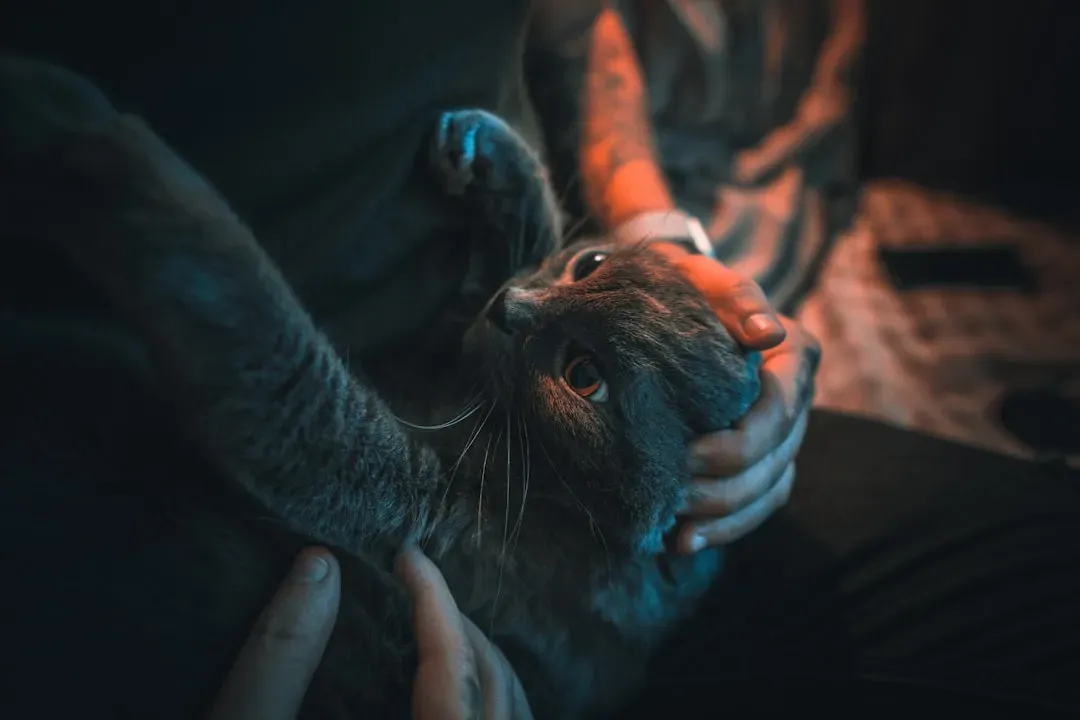
Kneading may be retained into adulthood because it can help communicate messages. Kneading on your lap is a cat’s way of saying “we’re affiliated” or “you’re in my social group.” Or, to be very human about it, “you’re my person.”
When a cat kneads their owner, it can be a sign of trust and affection. This behavior demonstrates that the cat feels safe and comfortable in the presence of their human companion. Research by Dr. Kristyn Vitale published in Current Biology demonstrated that roughly two thirds of cats form secure attachment bonds with their human caregivers, providing the relational framework in which kneading functions.
An Ancient Wild Instinct Still Running in the Background
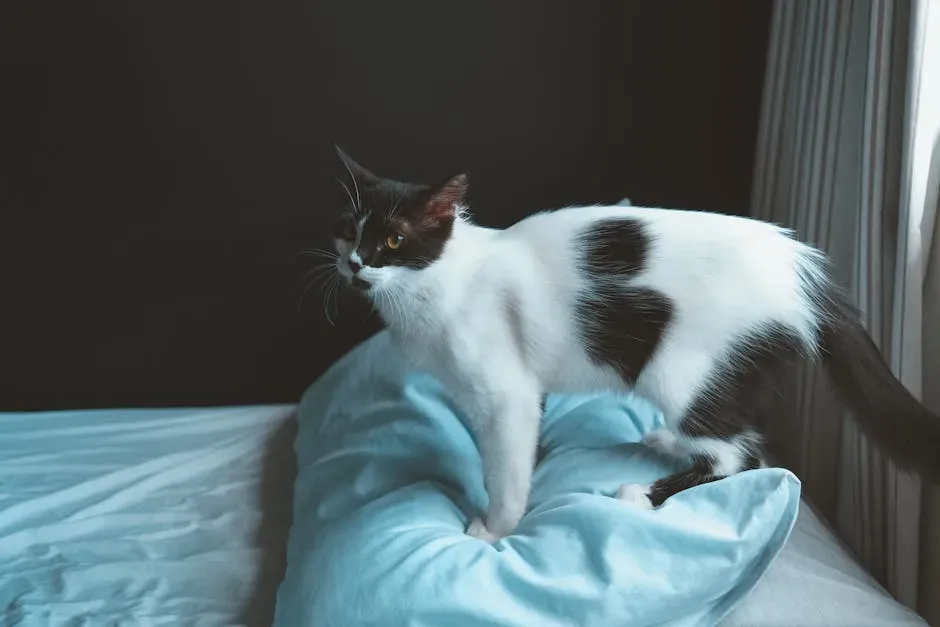
Kneading may have an origin going back to cats’ wild ancestors who had to tread down grass or foliage to make a temporary nest in which to rest. In the wild, cats would create nests or sleeping areas by patting down foliage or grass. These recurring movements helped to soften the ground, making it more comfortable for resting or giving birth. Over time, this behavior became ingrained in their instincts, even in the absence of such practical needs.
Another widely held belief is that kneading is a remnant of domestic cats’ wild ancestry. Lions and other big cats have been spotted kneading in the wild. The furry little one in your home may not have grass or a nest to push her paws against, but that doesn’t mean the wild instinct isn’t within.
What Kneading With Extra Fervor Actually Signals
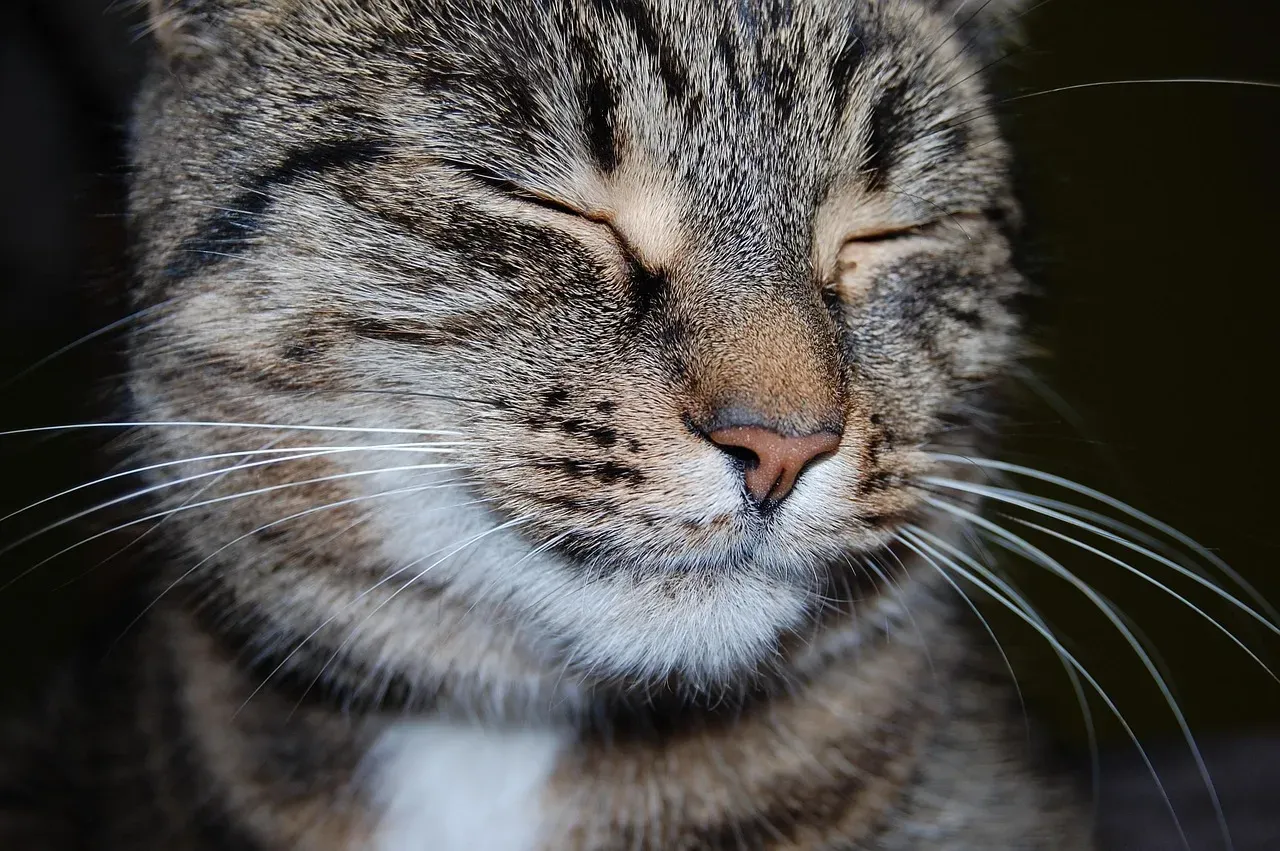
Most of the time, kneading likely means your cat feels safe. It often comes with soft eyes, slow blinks, and a quiet purr. In this calm state, kneading is part of their comfort routine and a subtle show of affection.
When kneading shows up alongside restlessness, loud vocalizing, or overgrooming, it can point to stress or anxiety. A sudden change in how often or how intensely your cat kneads may also be a sign of discomfort or pain, especially in older cats with joint issues. So if your cat’s sessions have become unusually long or intense recently, it’s worth paying attention rather than just accepting it as enthusiasm.
How You Should Respond When It Happens
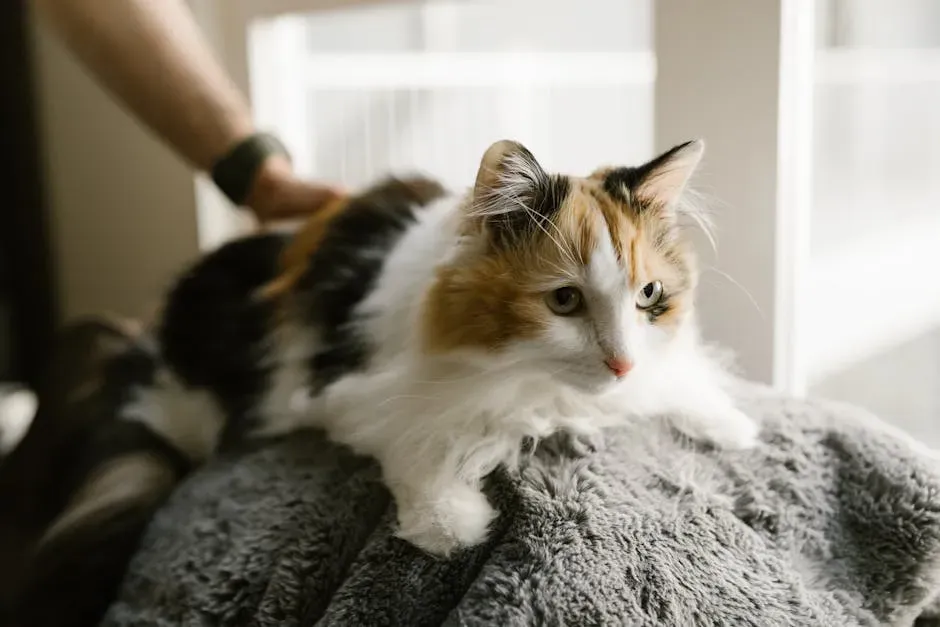
Punishing a cat for kneading damages the cat-human bond and removes a comfort mechanism the cat depends on for emotional regulation. Kneading is not a voluntary decision the cat makes. It is an involuntary activation of a neonatal motor circuit tied to the cat’s deepest sense of safety.
Placing a thick folded blanket or towel on your lap before the cat settles creates a kneading pad that absorbs claw pressure. Trimming nails every two to three weeks reduces sharpness. If claws cause significant skin irritation, gently redirect the cat to a nearby soft surface rather than pushing the cat away abruptly. The goal is managing your comfort, not dimming theirs.
Conclusion
Your cat’s intense kneading sessions are never really about you being a convenient cushion. They’re about you being safe. You represent, in your cat’s nervous system, something close to the warmth and security of their earliest days of life.
Behaviors like kneading are likely beneficial for the cat to perform. It might be soothing for them and could help them indicate contentment during human interactions. That rhythmic pressure on your lap is, in its own quiet way, one of the most sincere things a cat can offer. It just happens to come with claws.
Kristina is a young writer from India. An arts graduate and an avid content creator, Kristina is passionate about animals and wildlife. She enjoys exploring topics related to pet care, animal behavior, conservation, and nature, combining thorough research with engaging storytelling.