Most people assume every cat treats every human the same way – polite, distant, mildly interested in dinner and not much else. But senior cats, the ones who’ve lived through years of routines and relationships, don’t work that way at all.
Once an older cat quietly decides you’re their person, they start performing small rituals meant for you alone – habits they will never repeat with anyone else in the house, not even the person who fills their food bowl every single day. These signals are easy to miss if you don’t know what to look for, which is exactly why so many devoted owners never realize how deeply they’ve actually been chosen. Here’s what feline behaviorists say about the gentle, unmistakable habits senior cats save for one trusted human, and only one.
#1 – The Slow Blink That Never Happens With Strangers
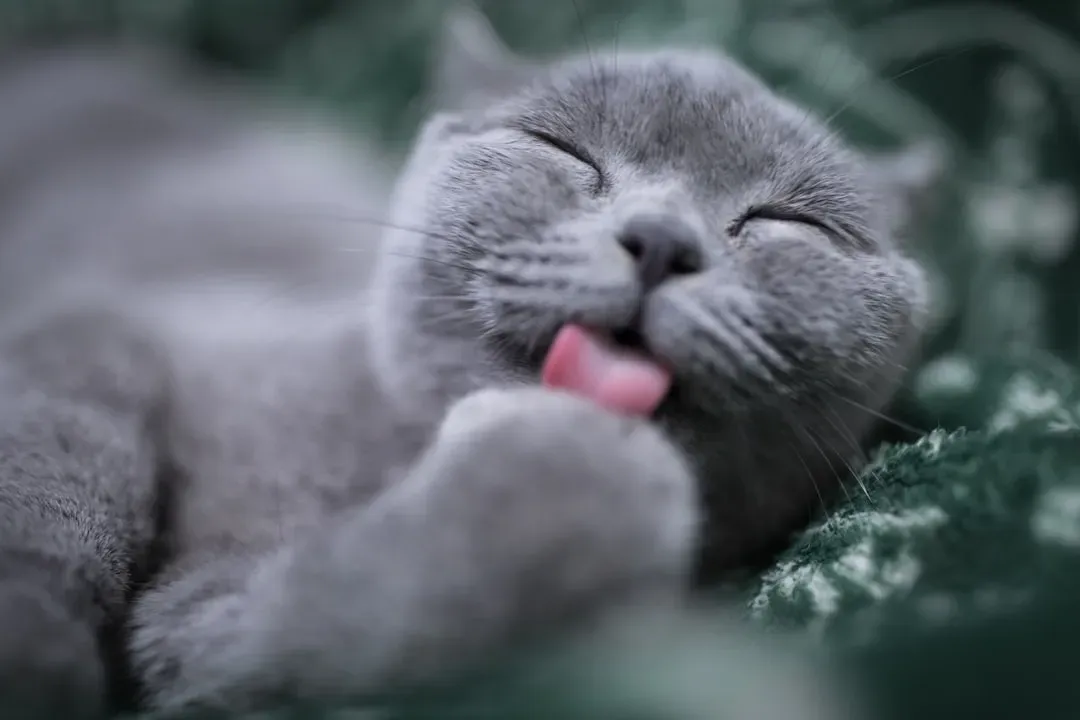
A senior cat’s slow blink is not a random moment of sleepiness. It’s a deliberate, controlled signal that only appears around one specific person.
Younger cats blink out of pure drowsiness, but older cats have learned to use the slow blink as a calculated social tool. This half-closed, lingering eye contact is often called a “cat kiss,” and senior cats typically reserve it exclusively for the human they feel safest around. Behaviorists note that the gesture requires the cat to lower its guard completely, something an aging cat won’t risk with someone it doesn’t fully trust.
What makes this habit so telling is its selectivity. A senior cat may glance at a roommate, a child, or a visitor without ever softening its eyes the same way for them.
The slow blink becomes almost a private language, one that develops only after months or years of consistent, gentle interaction. If your older cat does this with you and no one else, it isn’t affection in general. It’s affection specifically engineered for you.
Fast Facts
- Cats are more likely to slow blink at their owners after their owners have slow blinked at them, compared to when they don’t interact at all.
- Cats were more likely to approach the experimenter’s outstretched hand after they’d slow blinked at the cat, compared to when they had adopted a neutral expression.
- This eye narrowing action by humans generates something popularly known as a cat smile – the so called “slow blink.”
- The team, led by Dr Tasmin Humphrey and Professor Karen McComb, animal behaviour scientists at the University of Sussex, undertook two experiments.
#2 – Kneading That Only Shows Up in Your Lap
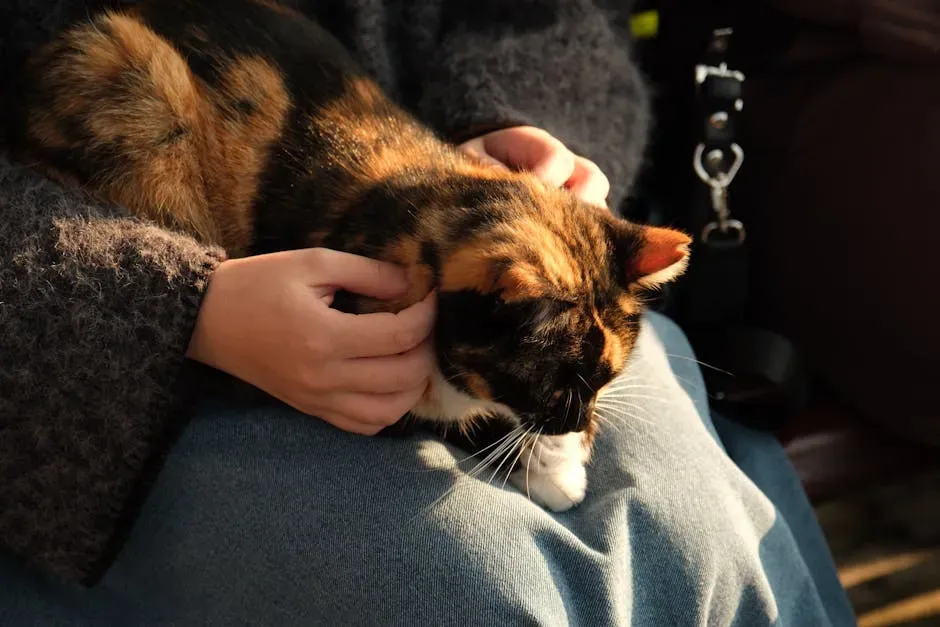
Kneading, the rhythmic pressing of paws into a soft surface, looks like a universal cat quirk. But in senior cats, it often becomes shockingly person-specific.
This behavior traces back to kittenhood, when cats kneaded their mother’s belly to stimulate milk flow. Most senior cats abandon kneading almost entirely, except in the lap of one chosen person, where the habit suddenly reappears with full intensity. It’s a regression to comfort, and older cats are highly selective about who earns that vulnerable, nursing-era behavior.
Owners often report their senior cat will curl up on a couch cushion, a blanket, or even another family member’s lap without kneading at all. Then the same cat climbs onto their favorite person and starts kneading immediately, purring loudly the entire time.
This isn’t coincidence. It’s a conditioned emotional response tied to a specific human’s scent, voice, and presence, and once you notice it happening exclusively with you, it’s hard to unsee.
#3 – Head Bunting Aimed at One Set of Legs
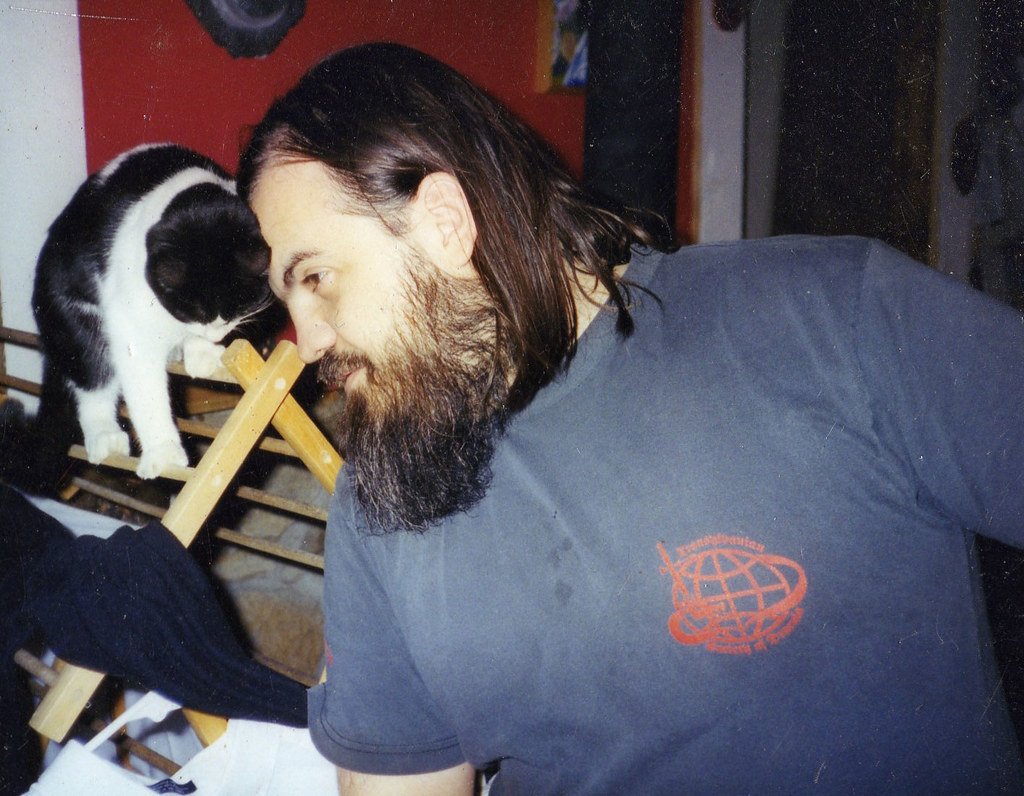
Head bunting looks simple, but senior cats use it as a territorial and emotional marker aimed at a single, chosen target.
When a cat presses its head or cheek against you, it’s depositing pheromones from scent glands near its face. This gesture is the cat’s way of claiming you as “safe and mine,” and senior cats often perform it almost exclusively with the one person they consider their anchor. Younger cats bunt more indiscriminately, but older cats grow far more selective as trust becomes harder to earn with age.
Multi-person households make this especially obvious. A senior cat may walk right past several people without a glance, then walk straight to one specific person and press its head firmly against their ankle or hand.
This isn’t random affection-seeking. It’s a repeated, intentional ritual, and over time that consistent bunting becomes one of the clearest signs of a one-person bond.
#4 – The Trill or Chirp Reserved for a Single Greeting
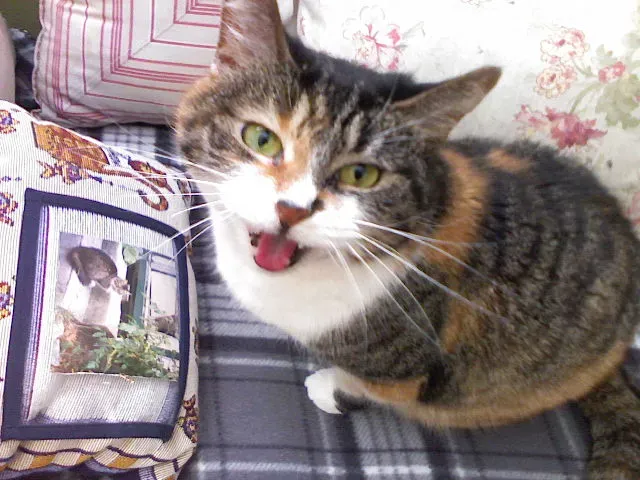
Most cats meow at everyone, but senior cats often develop a soft trilling or chirping sound used exclusively to greet one person.
This vocalization is different from a standard meow. It’s a rolling, musical sound that mother cats use with kittens. Experts point out that senior cats who trill are often signaling a level of comfort and familiarity that took years to build, and many cats simply won’t trill for anyone outside their chosen circle of one.
If you’ve ever noticed your older cat go silent around guests but immediately chirp the second you walk through the door, that’s not a coincidence. It’s a specific auditory cue built around one specific relationship.
This habit tends to intensify with age, as senior cats become more selective about who receives their softer, more vulnerable vocal range.
#5 – Following One Person From Room to Room
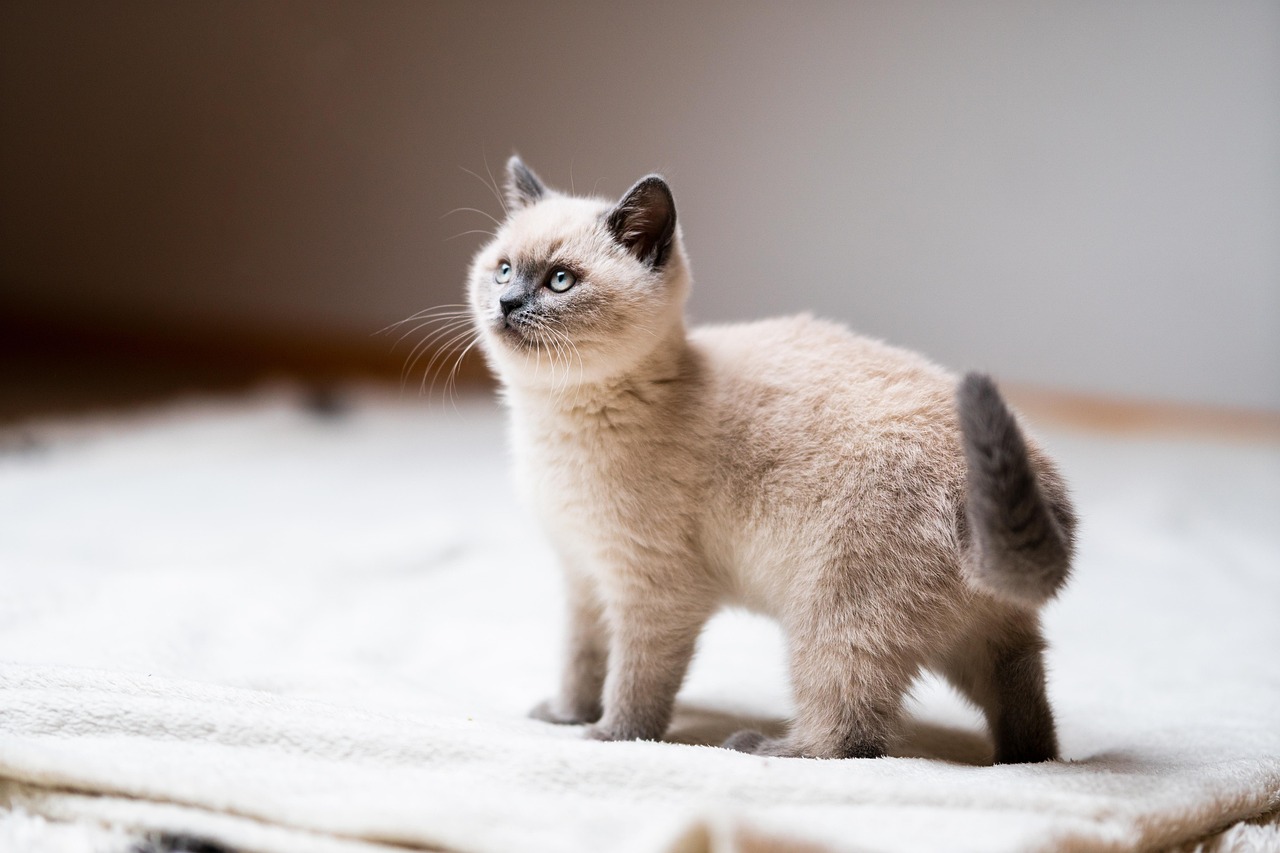
Shadowing behavior in senior cats isn’t about food or curiosity. It’s about proximity to the one human they feel most secure around.
As cats age, they often become less tolerant of unpredictable environments, which makes consistent human presence deeply comforting. Many senior cats begin trailing one specific person through the house, room after room, while barely acknowledging anyone else in the home. This isn’t clinginess in a negative sense. It’s a coping mechanism rooted in trust and stability.
This habit tends to intensify during quiet hours, like early morning or late evening, when the house is calm and the cat feels safest seeking closeness.
Owners often describe their senior cat “checking in” by appearing in whatever room they’re in, then wandering off again once reassured. It’s subtle, but deeply consistent, and it almost always points to one person only.
#6 – Sleeping Pressed Against One Body, Never Another
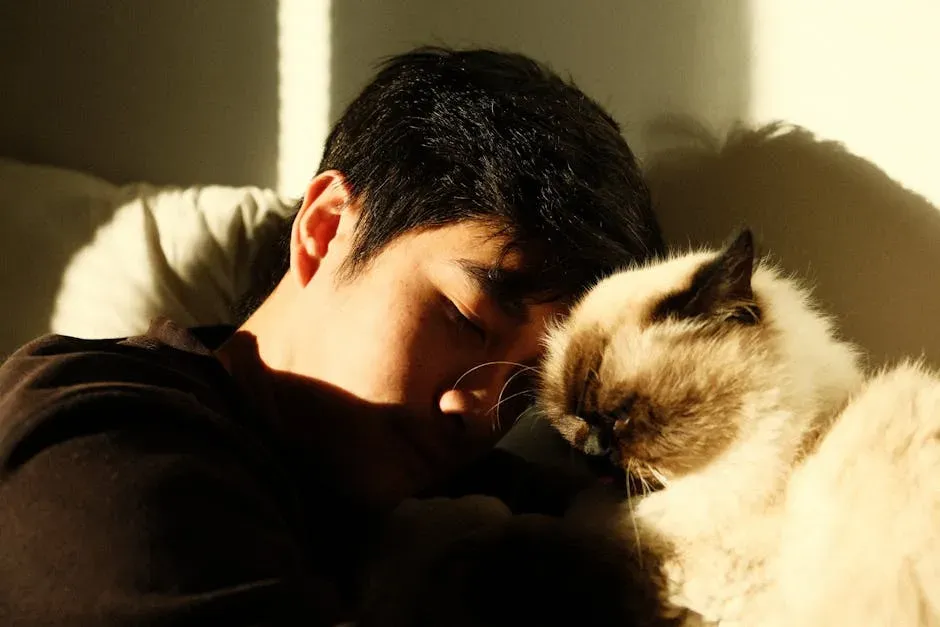
Sleep position is one of the most revealing signs of feline trust, and senior cats become extremely particular about whose body they’ll rest against.
Cats are vulnerable while sleeping, which is why they choose sleeping partners carefully. A senior cat pressing its back or side firmly against one specific person, while sleeping elsewhere, alone, or at a distance from everyone else, is showing a level of trust it won’t extend to other humans in the house. This kind of physical contact drops the cat’s guard completely, something older cats rarely risk twice.
This habit often becomes more pronounced with age, as senior cats seek warmth and security more than younger cats do.
If your cat consistently chooses your side of the bed, your specific chair, or your lap for deep sleep, that’s a targeted, repeated decision. It isn’t about temperature or comfort alone. It’s about safety tied to one person.
Worth Knowing
- Adult cats typically sleep 12 to 16 hours a day, and many seniors sleep even more.
- Vulnerable sleep positions, like an exposed belly or turned back, signal a deep level of trust.
- Cats often choose sleeping partners based on scent familiarity, not just body warmth.
- Senior cats tend to settle into one consistent sleep spot tied to a single person’s routine.
#7 – Belly Exposure Directed at a Single Trusted Hand
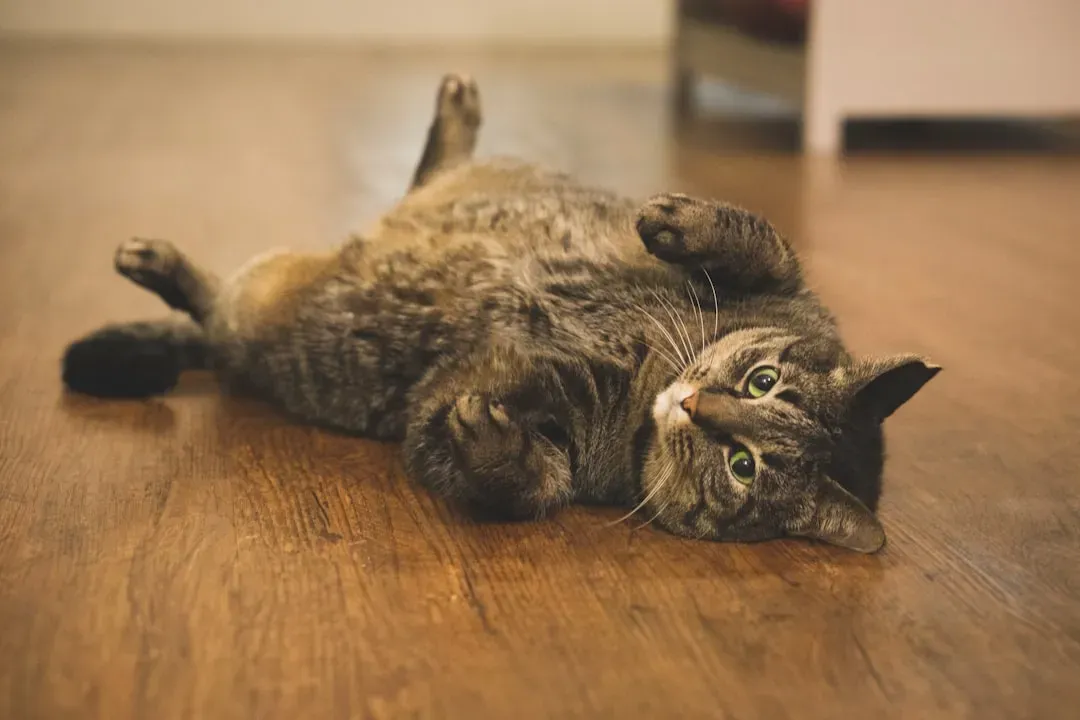
A senior cat exposing its belly is often misunderstood, but the real story is even more specific than most people realize.
Contrary to popular belief, an exposed belly isn’t necessarily an invitation to pet. It’s a vulnerability display. Many senior cats will only expose their belly around one particular person, using it as a nonverbal signal that they feel entirely unthreatened in that individual’s presence. That makes the gesture far more meaningful than a simple stretch.
This habit is easy to test in multi-person households. A senior cat might avoid rolling onto its back near most family members but will do it instantly, and repeatedly, around one specific person.
It’s not about seeking a belly rub. It’s about communicating total ease, and some experts argue this is one of the most misread cat behaviors out there, which sparks plenty of debate among cat owners themselves.
#8 – Waiting by the Door or Window for One Arrival
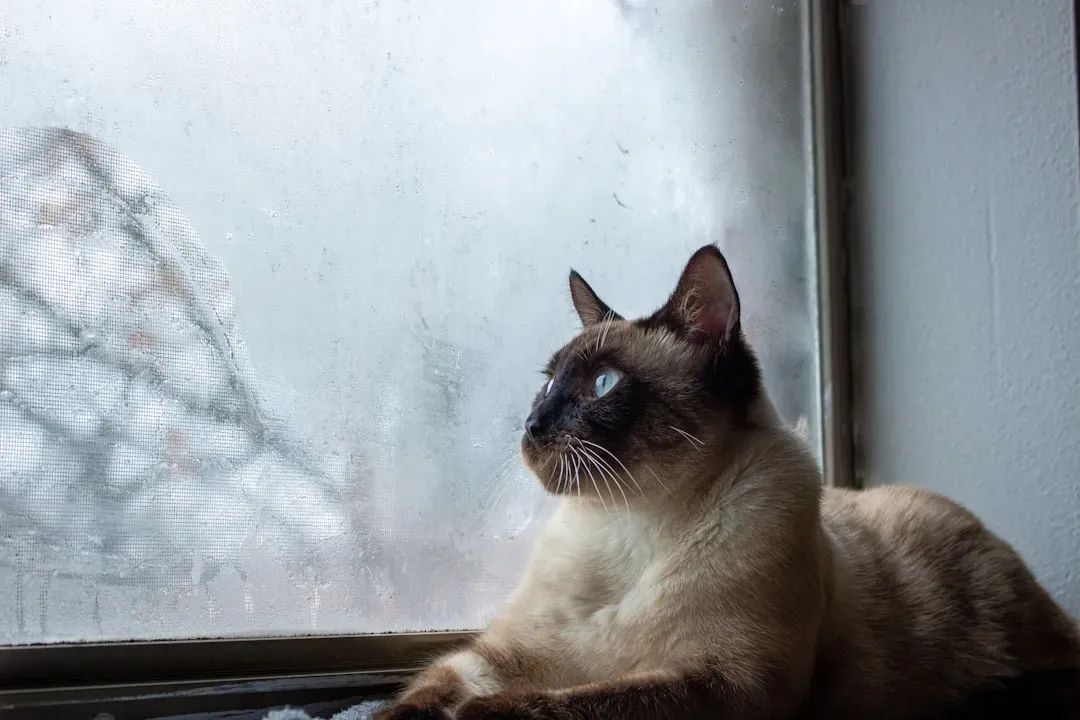
Senior cats develop surprisingly precise anticipation habits, and these habits are almost always tied to a single person’s schedule.
Cats have strong internal clocks, and older cats especially latch onto predictable routines involving their favorite human. Many senior cats will position themselves by a door, window, or hallway minutes before one specific person arrives home, while showing no similar anticipation for anyone else’s comings and goings. This precise, repeated behavior isn’t accidental. It’s a learned association built over years.
This habit often intensifies with age because senior cats crave predictability more than younger, more adaptable cats do.
If your cat seems to “know” when you’re coming home but ignores everyone else’s arrival, that’s a targeted behavioral pattern. It reflects a bond built on repetition, not general excitement about company.
#9 – Grooming One Person the Way They’d Groom a Fellow Cat
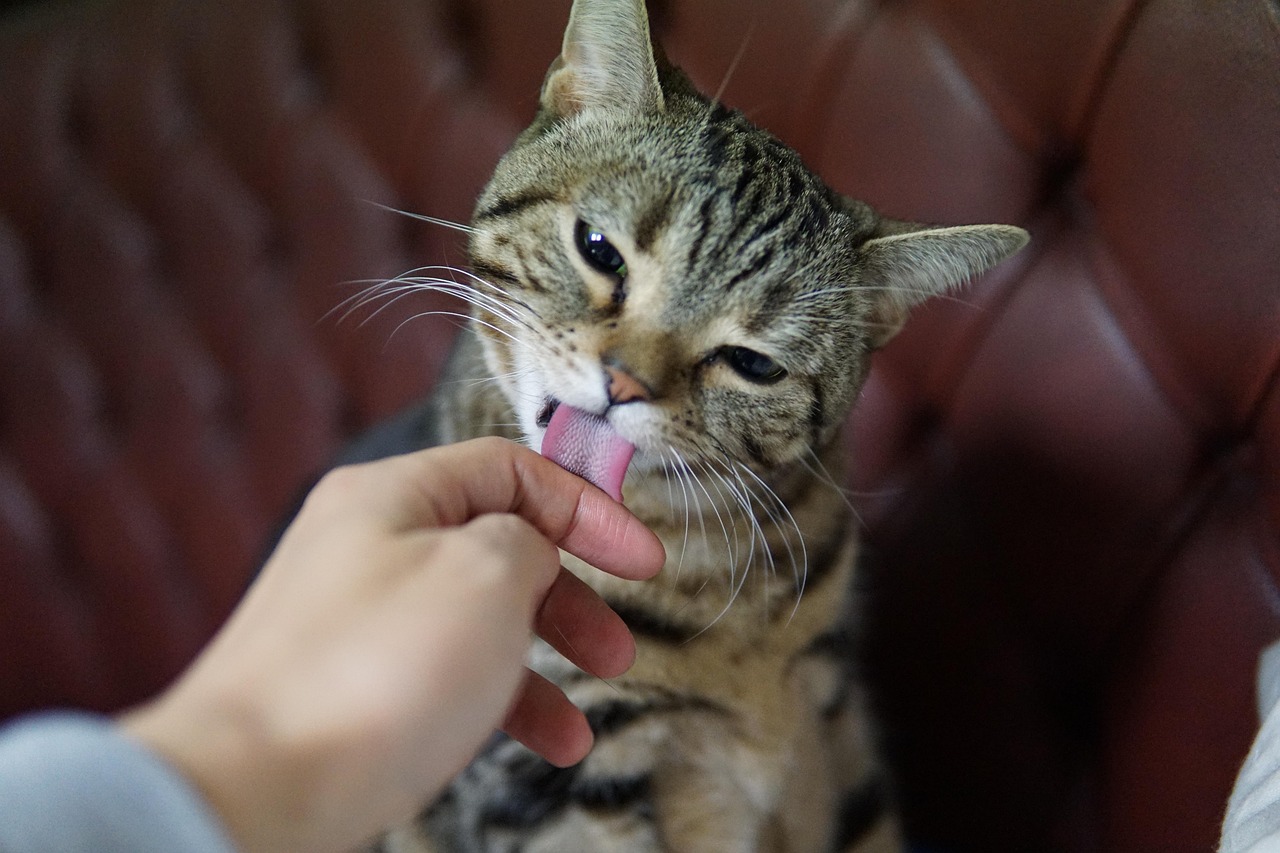
Grooming is one of the most socially significant behaviors in a cat’s world, and senior cats extend it to humans far less often than people assume.
In feline society, mutual grooming, or allogrooming, is reserved for close bonds within a colony. When a senior cat licks one specific person’s hand, arm, or hair, it’s treating that human as a trusted member of its inner circle, a status it won’t extend to just anyone. This is a learned, chosen behavior, not an automatic instinct triggered by any human.
This habit often becomes more selective with age, as older cats have less energy and patience for grooming that doesn’t feel meaningful.
Owners often report that this grooming happens in quiet, calm moments, reinforcing the idea that it’s an act of intentional bonding rather than random licking. It’s one of the clearest “you’re special” signals a cat can give.
Why It Stands Out
- Allogrooming is normally reserved for cats living within the same trusted social colony.
- Senior cats groom less overall, which makes any chosen grooming more meaningful.
- Licking a person mirrors the grooming a cat would give a trusted littermate or parent figure.
- This behavior often appears alongside purring, layering comfort on top of trust.
#10 – Turning Their Back Only in One Person’s Presence
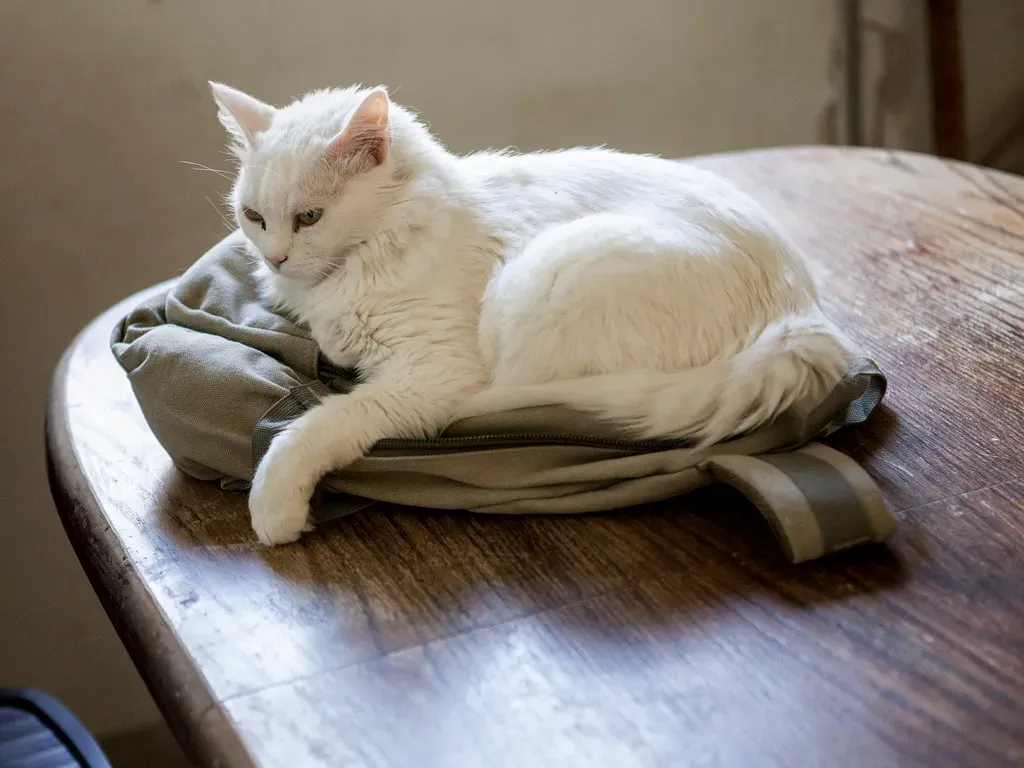
Of all the trust behaviors on this list, turning their back is arguably the boldest, and senior cats are notoriously stingy with it.
A cat’s back is its most exposed, undefended area, which makes this position rare and meaningful. Many senior cats will only turn their back and relax fully in the presence of one specific person, treating this posture as the ultimate declaration of safety. It’s a controversial point among some cat owners, who assume all resting positions mean the same thing, but experts argue this one is far more deliberate than people realize.
This habit tends to appear gradually, often after months of consistent, gentle interaction.
It’s rarely immediate, and that slow build is part of what makes it so significant. If your senior cat is comfortable enough to turn away from you and relax completely, you’ve likely already become their one trusted person.
#11 – Choosing One Chest to Sleep On, Heartbeat and All
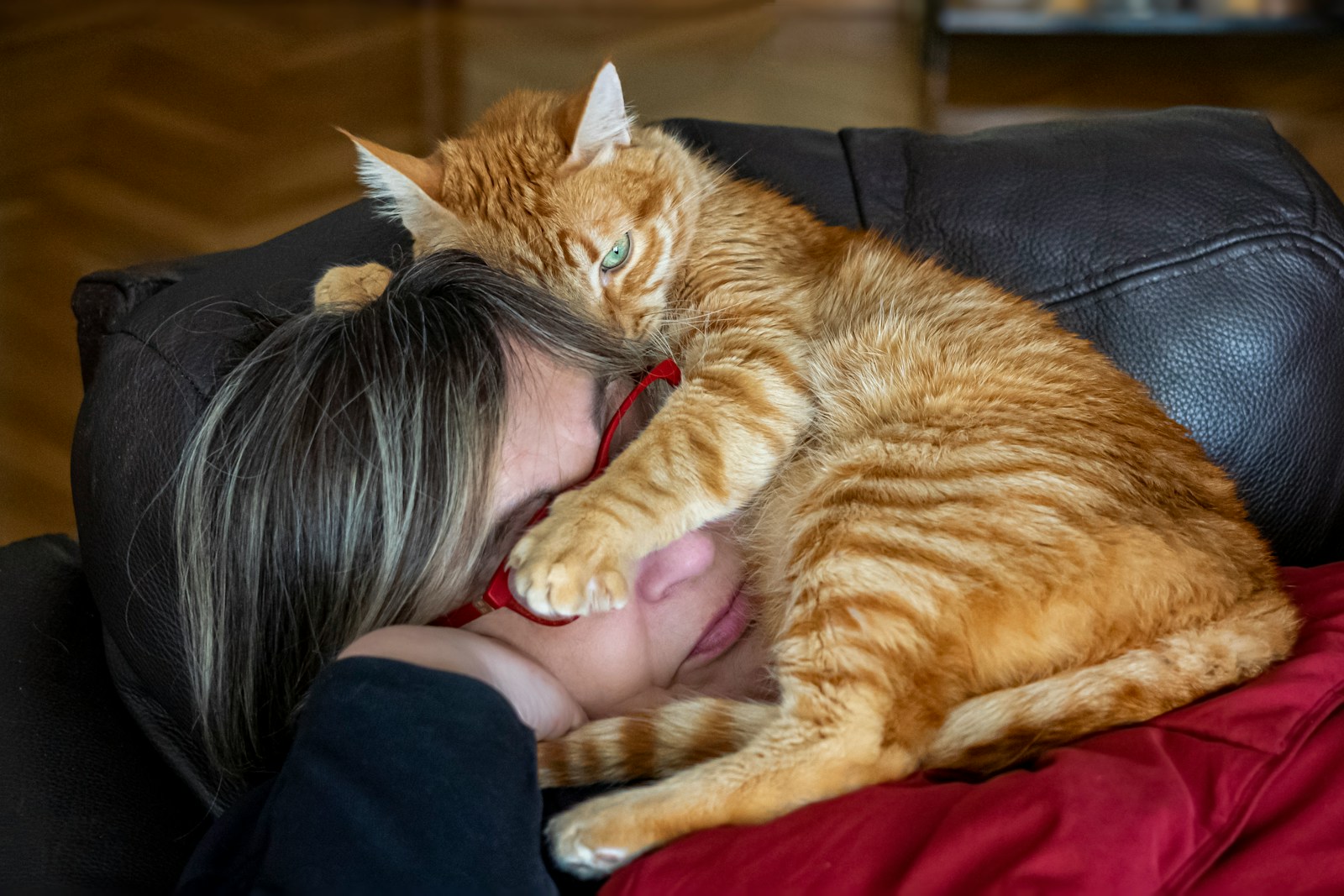
The most intimate senior cat habit of all is also the rarest: choosing to sleep directly on one person’s chest, listening to their heartbeat.
This behavior combines warmth, security, and auditory comfort into a single position. Senior cats who do this are engaging in one of the deepest bonding behaviors in feline companionship, and they typically reserve it for only one human, even in households with multiple caregivers. It’s a position that leaves them completely defenseless, which is exactly why it’s so selective.
This habit often becomes more common as cats age, since senior cats seek warmth and stability more urgently than younger cats.
If your cat consistently chooses your chest over every other surface in the house, that’s not convenience. It’s a considered, repeated choice, and it’s the clearest, most physical proof of a one-person bond a senior cat can offer.
The Bottom Line
Senior cats aren’t emotionally simple creatures who love everyone equally. They’re selective, deliberate, and often fiercely loyal to one specific person.
The habits on this list aren’t cute accidents. They’re intentional signals built through years of trust, routine, and safety. If your older cat performs even three or four of these behaviors exclusively with you, you’re not imagining a special bond. You’re living inside one.
In my opinion, this is exactly why senior cats get overlooked at shelters, when in reality they’re often the most loyal, emotionally intelligent companions a person can bring home. Which one of these habits does your senior cat do only for you? Tell us in the comments.
Kristina is a young writer from India. An arts graduate and an avid content creator, Kristina is passionate about animals and wildlife. She enjoys exploring topics related to pet care, animal behavior, conservation, and nature, combining thorough research with engaging storytelling.