Watch your cat nap in a sunbeam and you’d swear they have the memory of a goldfish – blissfully unaware of yesterday, let alone last year. That’s the story most of us have been told. But veterinary behaviorists and cognitive researchers say it’s almost the opposite of the truth: cats quietly build an emotional archive that can stretch back a decade or more, and it’s far more organized than anyone gives them credit for.
The moments that actually stick aren’t random. They’re tied to fear, comfort, scent, and survival – the stuff that kept their wild ancestors alive. Some of what’s coming up is sweet. A little of it might make you feel oddly guilty. Either way, here’s what the research says your graying, slow-blinking companion has been holding onto this whole time.
#1 – The Exact Sound of Your Voice
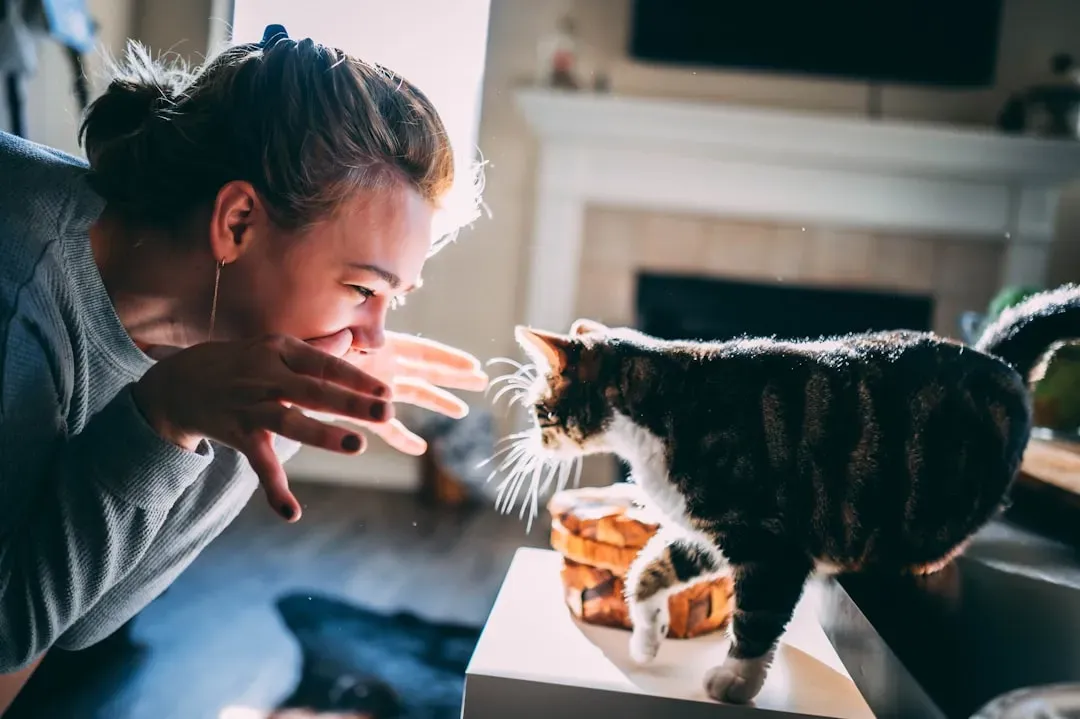
Your cat isn’t just hearing noise when you talk to them – they’re running a lifetime audio file. A 2013 study published in the journal Behavioral Processes found that cats were able to recall the voice of their owners for up to 10 years, even after long stretches of not seeing each other.
This isn’t a party trick, either. A separate 2013 study in Animal Cognition found that cats recognize their owner’s voice and respond more warmly to it than to a stranger’s. Researchers even found cats can tell “cat-directed speech” apart from normal adult speech, but only when their own owner is the one doing the talking. That silly baby-talk voice you use isn’t silly at all – it’s a memory anchor your cat filed away on day one, and it’s likely still lighting up recognition well into their senior years.
#2 – The Unique Smell of Your Skin
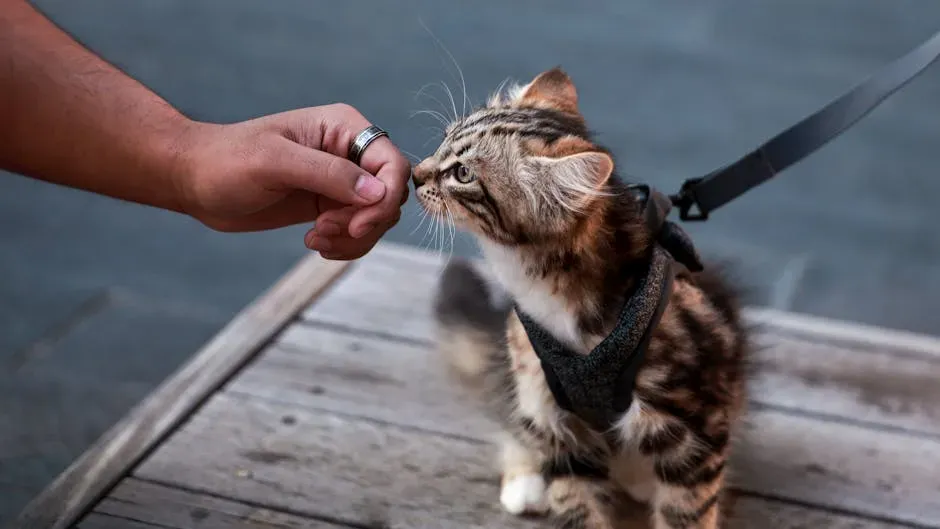
Forget your face – your cat’s memory bank runs almost entirely on scent. Cats tell people apart mostly by sound and smell, and human skin carries a signature scent regardless of whether you’re wearing cologne or fresh out of the shower.
This is why a returning owner often gets an instant, over-the-top greeting after months away – the nose remembers what the eyes can’t confirm. Cats’ eyes only have three types of color-sensing cones, which makes telling humans apart by appearance nearly impossible for them. Your personal scent is stored the way a fingerprint sits in a database: permanently and specifically. So when your aging cat suddenly perks up the second you walk in from work, they’re not reacting to your silhouette in the doorway. They’re reacting to a smell memory that outlasts almost every other skill on their cognitive checklist.
Fast Facts
- Cats rely on scent receptors far more sensitive than a human’s to store an individual smell “signature” for each family member.
- Scent memory doesn’t depend on eyesight, which is why cats often recognize people in the dark or from behind.
- A separate organ, the vomeronasal (Jacobson’s) organ, processes scent data independently from regular smell, adding another layer of memory storage.
- Unlike facial recognition, scent-based recognition rarely fades with age.
#3 – Their Mother and Littermates’ Scent
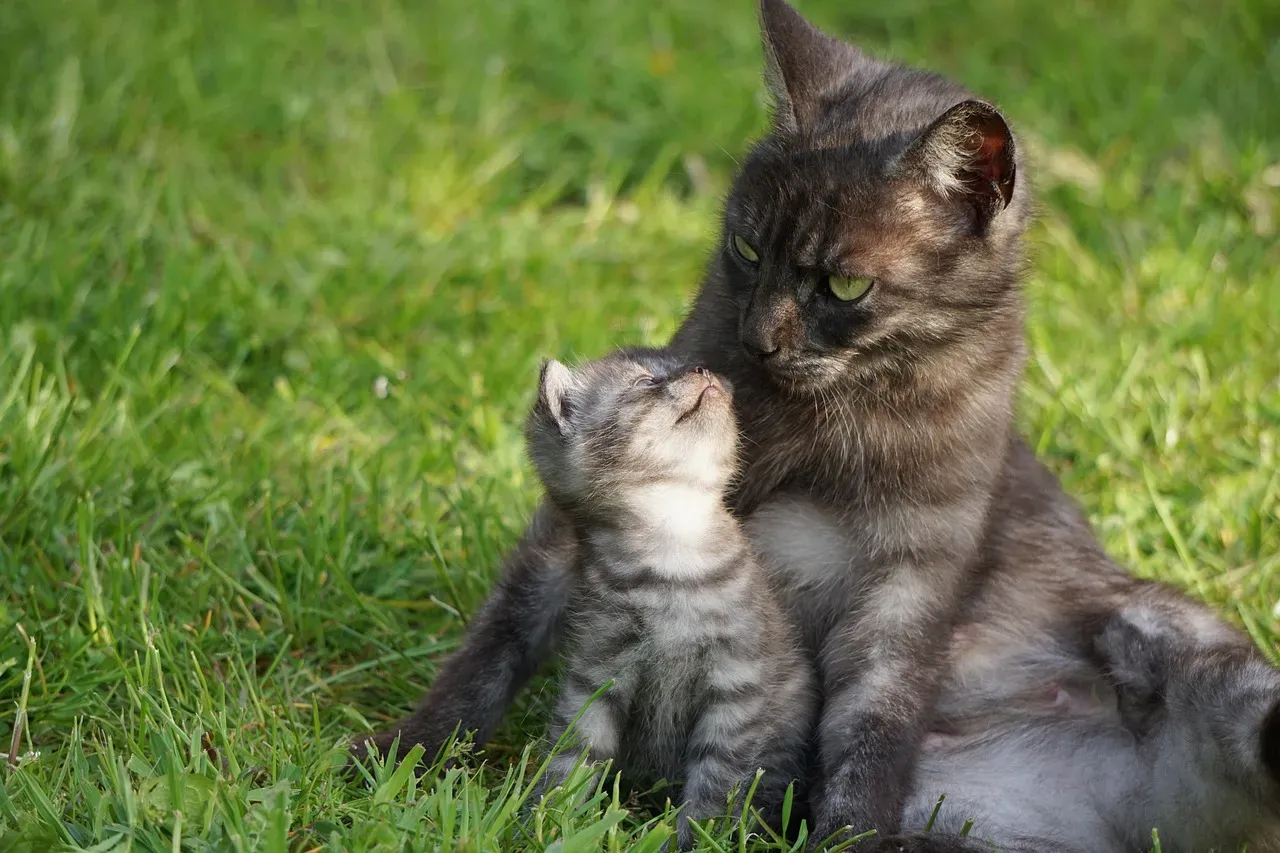
Long before they ever met you, your cat was already building memory files on their birth family – and those files don’t fully erase. Kittens separated from their mothers at weaning retain a lasting memory of her body odor, and research suggests mother cats keep a stable scent signature that adult offspring can still recognize years later.
That scent-based bond extends to siblings too. Cats are thought to remember their littermates for up to two years through scent and the bond formed in early kittenhood. Interestingly, how long that early bond lasted matters: kittens separated from littermates before two or three months tend to hold onto fewer memories than those who stayed together closer to a year. Your senior cat’s earliest family history is still quietly shaping their comfort levels today, whether you ever knew that family or not.
#4 – Genuinely Traumatic Events
Cats don’t just “get over” scary experiences – they file them away as survival data, sometimes for years. A study in Applied Animal Behavior Science found that cats who went through something traumatic, like being caught in a trap, were far more likely to show anxiety and avoidance when faced with similar situations afterward.
This is one of the more uncomfortable truths in feline behavior. Many owners assume a rough vet visit or a rehoming is quickly forgotten, but experts argue it’s often the opposite. A cat left alone in a strange place remembers the fear and the struggle to survive, and that memory can last for years. It’s part of why some senior cats still flinch at carriers, specific rooms, or even certain tones of voice tied to something that happened a decade ago.
#5 – Who Actually Fed Them
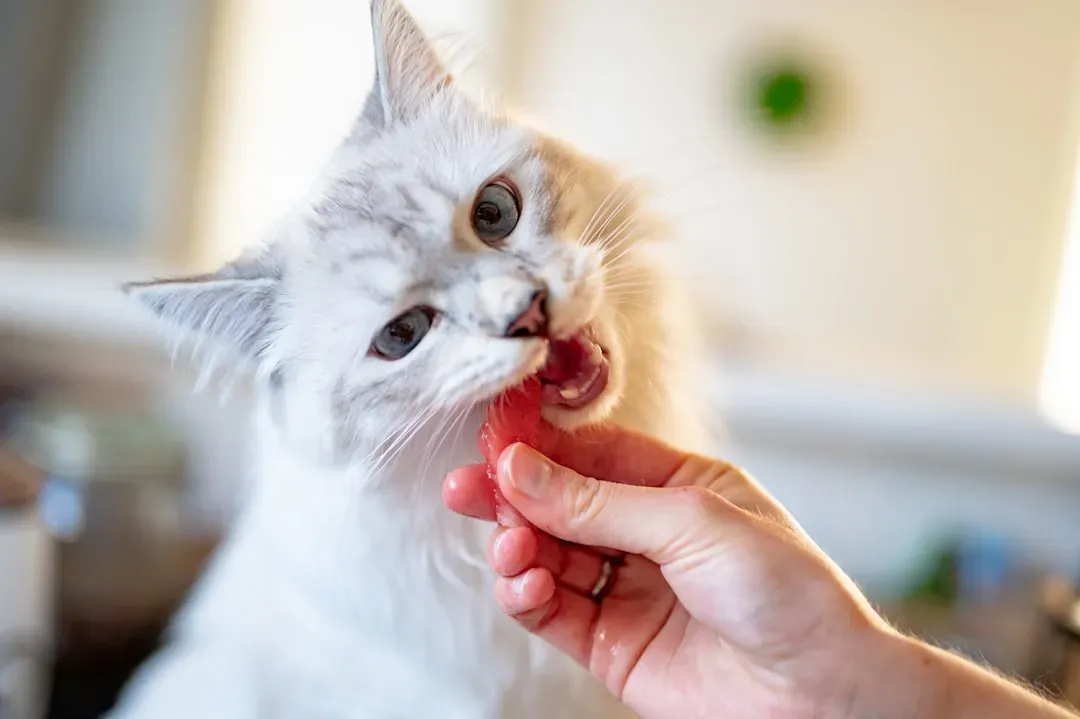
Food-related memory in cats isn’t just about the bowl – it’s about who filled it. Research shows a cat’s short-term memory for something that matters to them, like locating food, can last around 16 hours. But the emotional bond with the person doing the feeding runs far deeper and lasts far longer.
To your cat, you’re not just a person – you’re a collection of feelings. The sound of your voice means comfort, the sight of you means a warm lap, and your scent means safety. That’s why senior cats often develop strong, almost territorial preferences for whoever has historically handled feeding duties. It isn’t favoritism for its own sake. It’s a memory-reinforced survival association, built meal by meal for years, that becomes nearly impossible to override once it’s locked in.
#6 – Every Person Who Ever Scared Them
Cats are notorious for holding what looks a lot like a grudge, and the science backs this up more than skeptics like to admit.
Cats can hold a grudge – once they realize a person is causing them anxiety or hurt, they keep away.
John Bradshaw, anthrozoologist, University of Bristol
Behaviorists will note it’s not technically a grudge in the human sense – it’s a stored negative association, not resentment. But the practical effect is identical. Your senior cat may have been quietly avoiding a specific relative, delivery driver, or houseguest for years, long after everyone else forgot whatever small incident started it in the first place.
#7 – The Exact Layout of Every Home They’ve Lived In
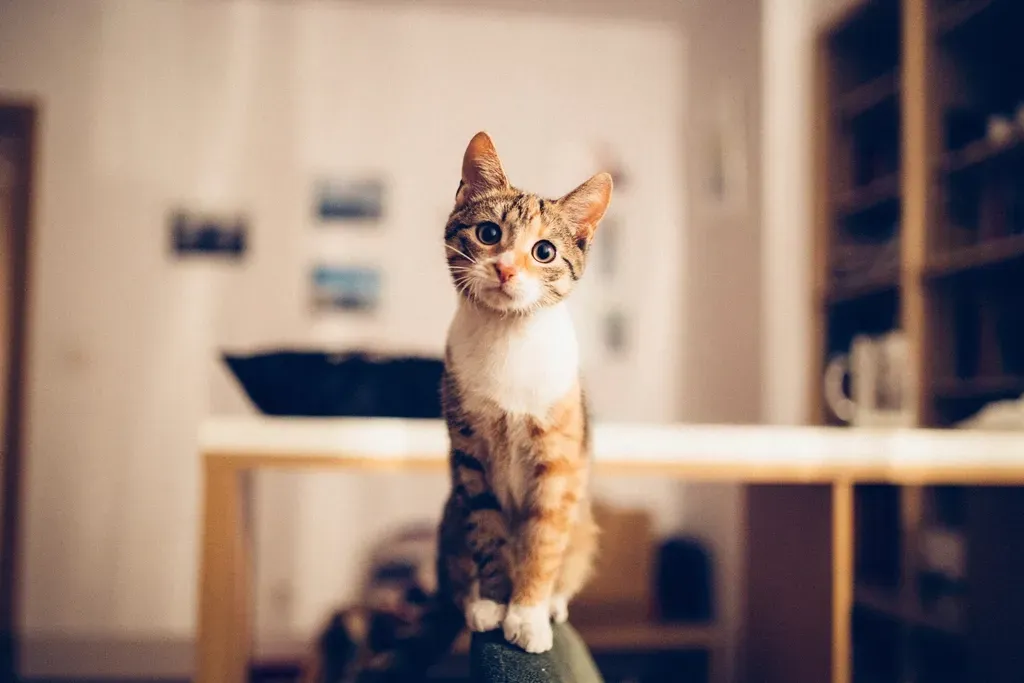
Cats build an internal floor plan of every space they consider territory, and that map doesn’t fade easily. They can remember the faces of important people, the tone of your voice, daily routines, the layout of every room in your home, and the presence of other pets, sometimes for years.
The research behind this is genuinely impressive. In a 2008 study, cats proved they possess real spatial memory by remembering which cups of food they’d already eaten from, even with other half-eaten cups from different cats sitting nearby. This memory works like an internal GPS – safe climbing routes, exact spots for food and litter, and the best napping corners are all mapped and stored. Even after a move, an aging cat may still gravitate toward furniture arrangements or hiding spots that mirror a home they haven’t lived in for years.
At a Glance
- Spatial memory: a mental map of rooms, furniture, and hiding spots
- Resource memory: exact locations of food, water, and litter
- Escape-route memory: safe paths for climbing or fleeing danger
- Comfort-zone memory: preferred napping and hiding spots tied to a feeling of safety
#8 – The Companion Animal They Lost
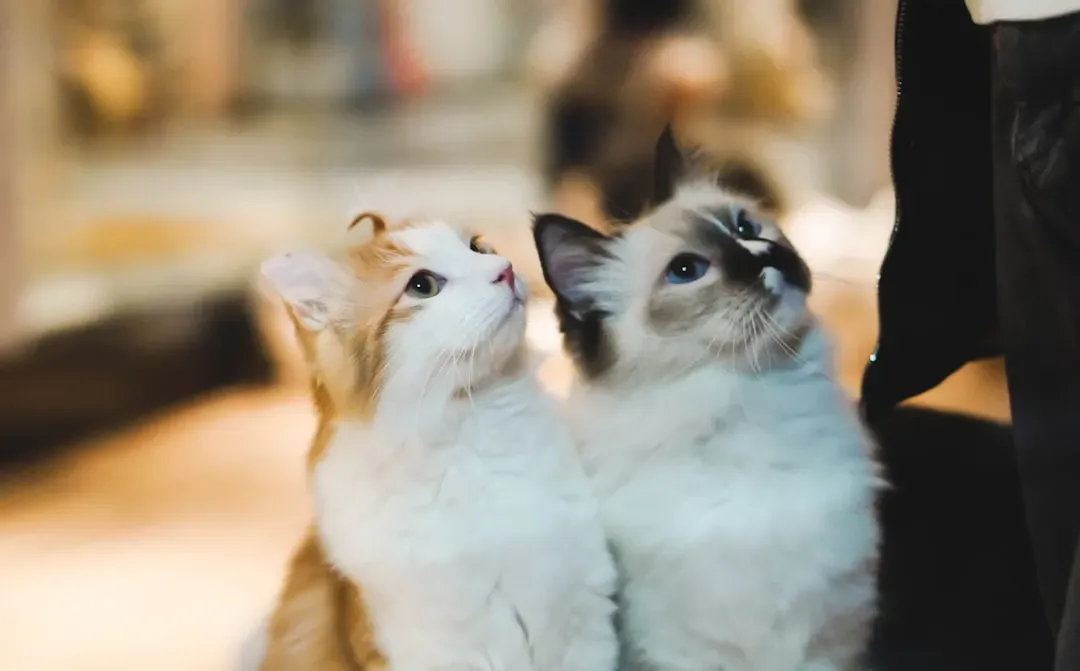
One of the most emotionally loaded memories a cat carries is grief for another pet, and it shows up more visibly than most owners expect. According to VCA Animal Hospitals, cats display grief for lost companions much like humans do: listlessness, lower appetite, disinterest in play, more sleep, and withdrawal.
This is where many pet parents underestimate their cat’s emotional depth. Cats clearly remember the presence of other pets, and that memory doesn’t vanish just because the other animal is gone. Senior cats in multi-pet households often show behavioral changes for weeks or even months after losing a longtime companion – searching familiar spots, vocalizing more at night, or pointedly avoiding the deceased pet’s old resting places.
#9 – Specific Words and Tones Tied to the Vet
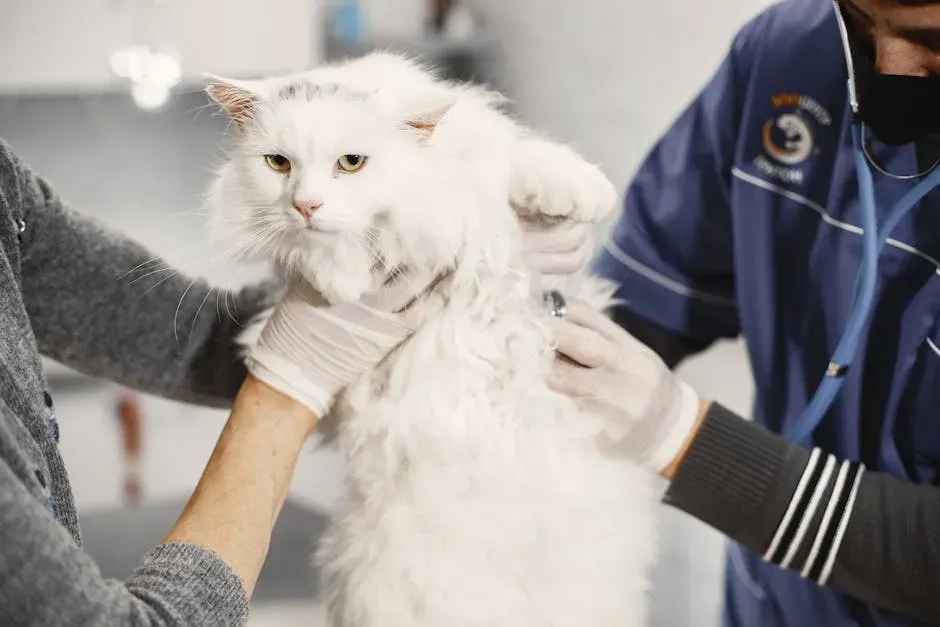
If your cat bolts the moment you say “carrier” or reach for a particular cabinet, that’s not paranoia – it’s a precise memory trigger. Experts point to unexplained fears tied to specific words, tones of voice, or objects you never intentionally taught them as classic signs of a stored past memory.
Plenty of cat owners insist their cat is “just dramatic,” but the behavioral science says otherwise. Cats build associative links between sounds, words, and outcomes with startling precision. That’s why the exact tone of a sentence – not the vet visit itself – can be enough to send a senior cat into hiding hours before you’ve even grabbed your keys.
#10 – The People Who Made Them Feel Safe
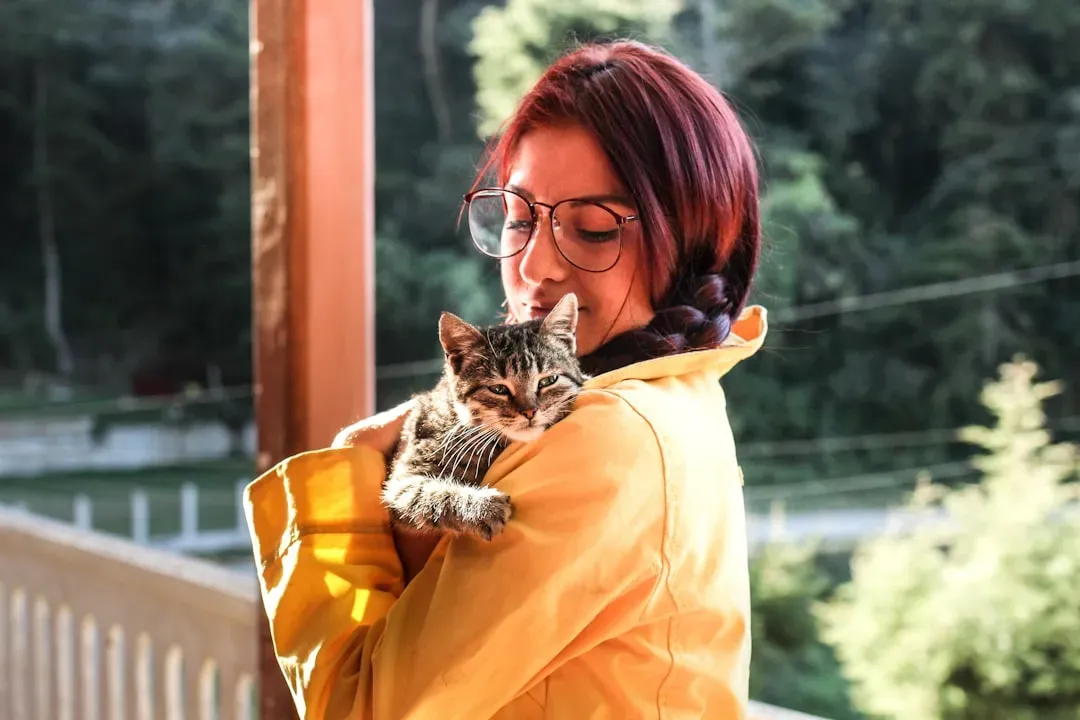
On the flip side of trauma memory, cats build an equally strong archive of who made them feel secure, and it shapes behavior for life. Feline behavior expert Molloy notes that secure attachment is driven, at least in part, by the memories a cat has built with a particular person over time.
Researchers at Oregon State University’s Human-Animal Interaction Lab found in a 2019 attachment study that most cats genuinely rely on their humans as a source of comfort and security. That’s why many senior cats grow noticeably more attached to one “safe person” as they age. It isn’t just frailty making them clingy – it’s a memory-backed relationship that’s been reinforced for years, sometimes over a decade.
Worth Knowing
- Secure attachment in cats can resemble the bonds researchers see in human infants and toddlers with caregivers.
- A cat’s “safe person” often becomes the default source of comfort during stress, vet visits, or household changes.
- This bond tends to intensify with age rather than fade, as senior cats increasingly lean on routine and familiarity.
#11 – Fights and First Impressions With Other Animals
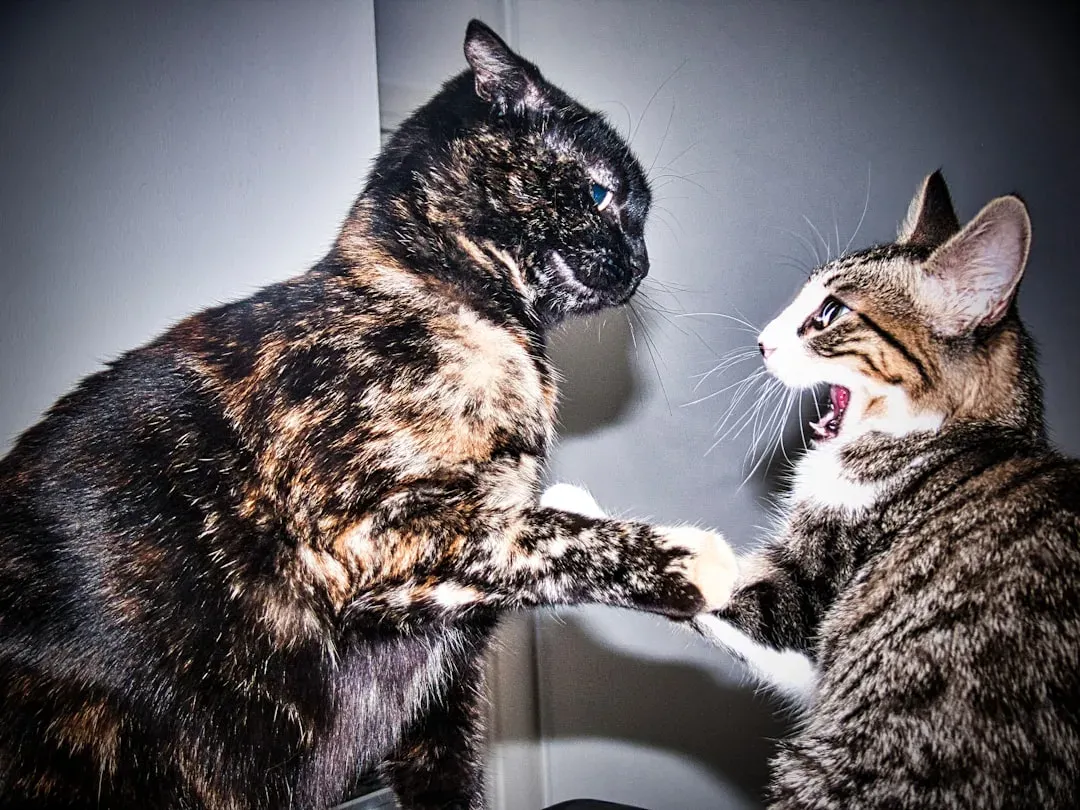
Cats are remarkably unforgiving when it comes to first encounters with other animals, and that first impression can outlast almost any other memory they carry. First impressions matter enormously to cats, and if two neighborhood cats fight the first time they meet, they’ll remember it for a very long time.
Many owners assume time heals feline rivalries. Behaviorists argue it’s often the opposite – a single bad first meeting hardens into permanent avoidance. It’s simple self-preservation: a defensive memory that keeps them safe by steering clear of repeat conflict. An aging cat who still hisses at a specific neighbor’s cat, years after one skirmish, is running on a memory file that never got overwritten.
#12 – Where the Food and Water Actually Are
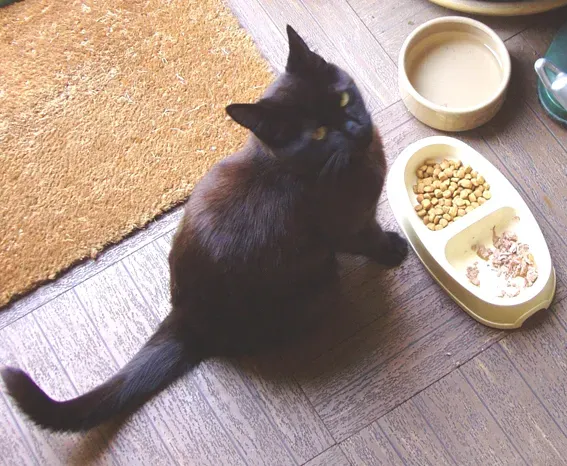
It sounds mundane, but location memory tied to survival resources runs deep. In one study, 50 cats could still remember which bowl held food even after being removed from the area for 15 minutes, showing strong short-term working memory whenever food is involved.
That’s just the short-term layer. Location was actually the single most common cue cats used to retrieve memories overall – more than sound, sight, or social cues combined. That’s why an aging cat moved to a new home may still instinctively check the old spot where their bowl used to sit, weeks after the move. The location itself became the memory trigger, long before any routine formed around it.
#13 – You, Specifically, After Long Separations
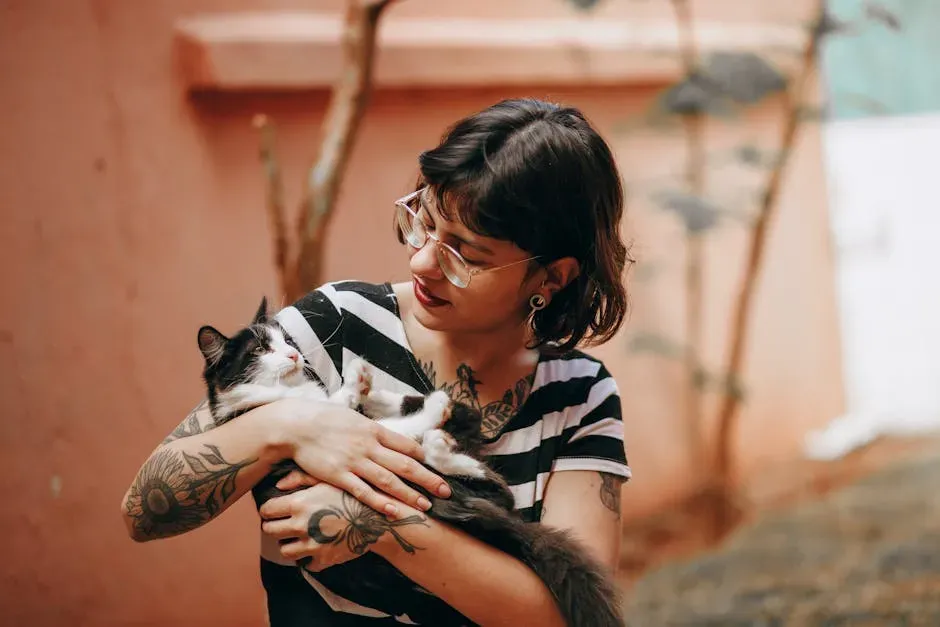
Perhaps the most reassuring, and most tested, memory cats hold onto is recognition of their own person after a real separation, not just a weekend trip. In 2015, a cat named Kunkush and his family fled Iraq as war refugees and were separated for months in Greece. When Kunkush finally heard his family’s voices over a Skype call, he recognized them instantly.
That story lines up with formal research, not just internet sentiment. Studies show cats can recognize their owners even after extended time apart, and they don’t need to rely on sight to do it. A two-week absence is well within their memory span, and evidence suggests that recognition window stretches into years, not just weeks, when you finally do come home.
#14 – The Emotional Blueprint From Kittenhood
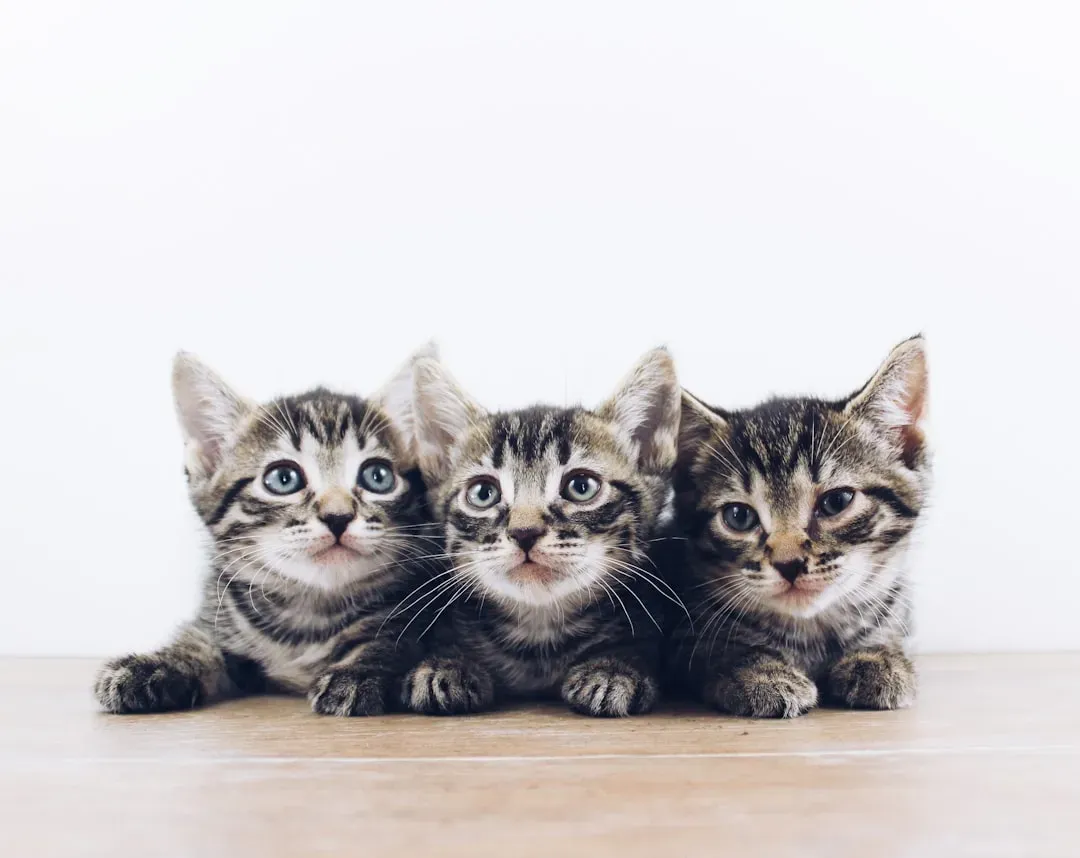
The single most influential memory category in an aging cat isn’t even a specific event – it’s the emotional foundation laid down in their first few months of life. Long-term memory helps cats recall things they were exposed to as kittens, and those early experiences continue shaping behavior and reactions for the rest of their lives.
This might be the most underappreciated finding in feline science, and it explains why two cats with nearly identical adult lives can behave completely differently. The specific kitten memories themselves likely fade with time, but the emotional patterns they created don’t. Your 12-year-old cat’s quirks today are still quietly being authored by something that happened when they were eight weeks old, long before you ever met them.
Why It Stands Out
- The socialization window, roughly two to seven weeks old, shapes lifelong temperament more than almost any later experience.
- Kittens raised with gentle, frequent handling early on tend to show less fear-based behavior as seniors.
- Even without specific memories of individual events, the emotional “default settings” formed in kittenhood persist for life.
The Bottom Line
Cats are not the emotionally blank, forgetful creatures pop culture makes them out to be. From a decade-old recognition of your voice to lingering wariness from one bad encounter in kittenhood, feline memory is selective, emotional, and far more durable than their reputation suggests.
The real misconception isn’t that cats remember too little – it’s that owners assume memory has to look dramatic to count. Most of it plays out quietly, in avoidance, comfort-seeking, and routine. So the next time your senior cat has an unexplained fear or an oddly specific favorite person, don’t write it off as quirky. It’s probably a memory you were never around to witness. What’s the strangest thing your aging cat still seems to remember? Tell us in the comments.
Kristina is a young writer from India. An arts graduate and an avid content creator, Kristina is passionate about animals and wildlife. She enjoys exploring topics related to pet care, animal behavior, conservation, and nature, combining thorough research with engaging storytelling.